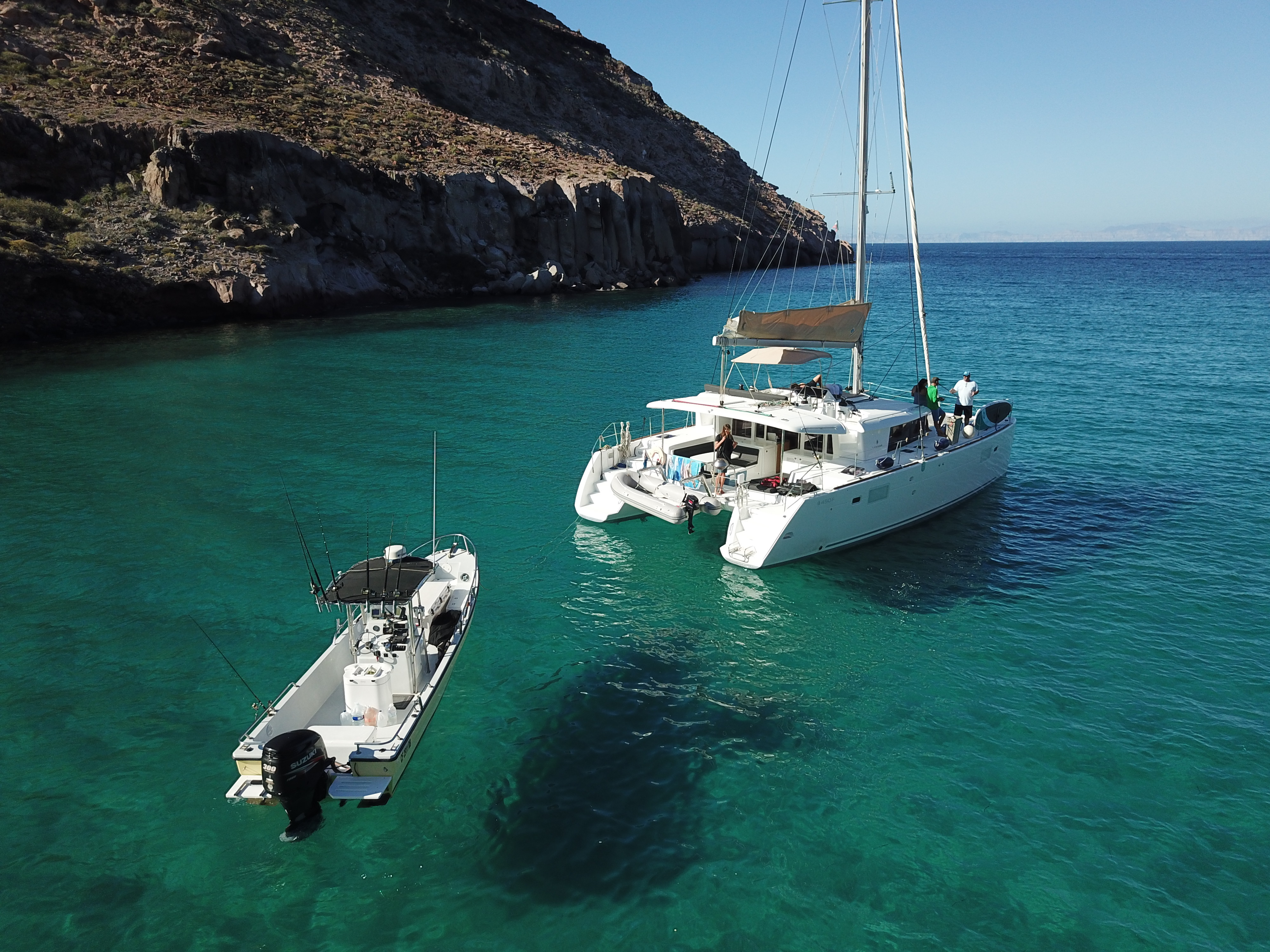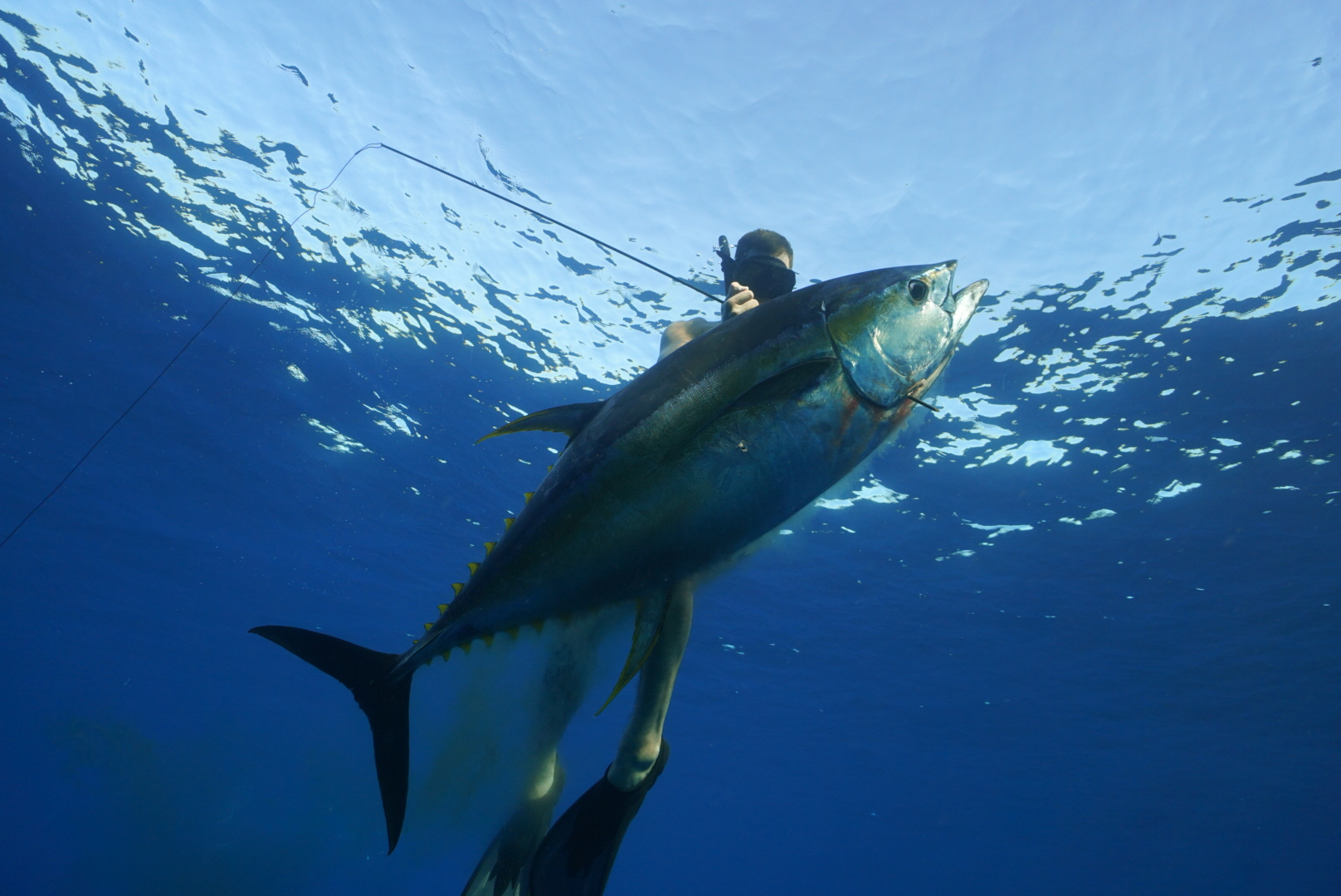
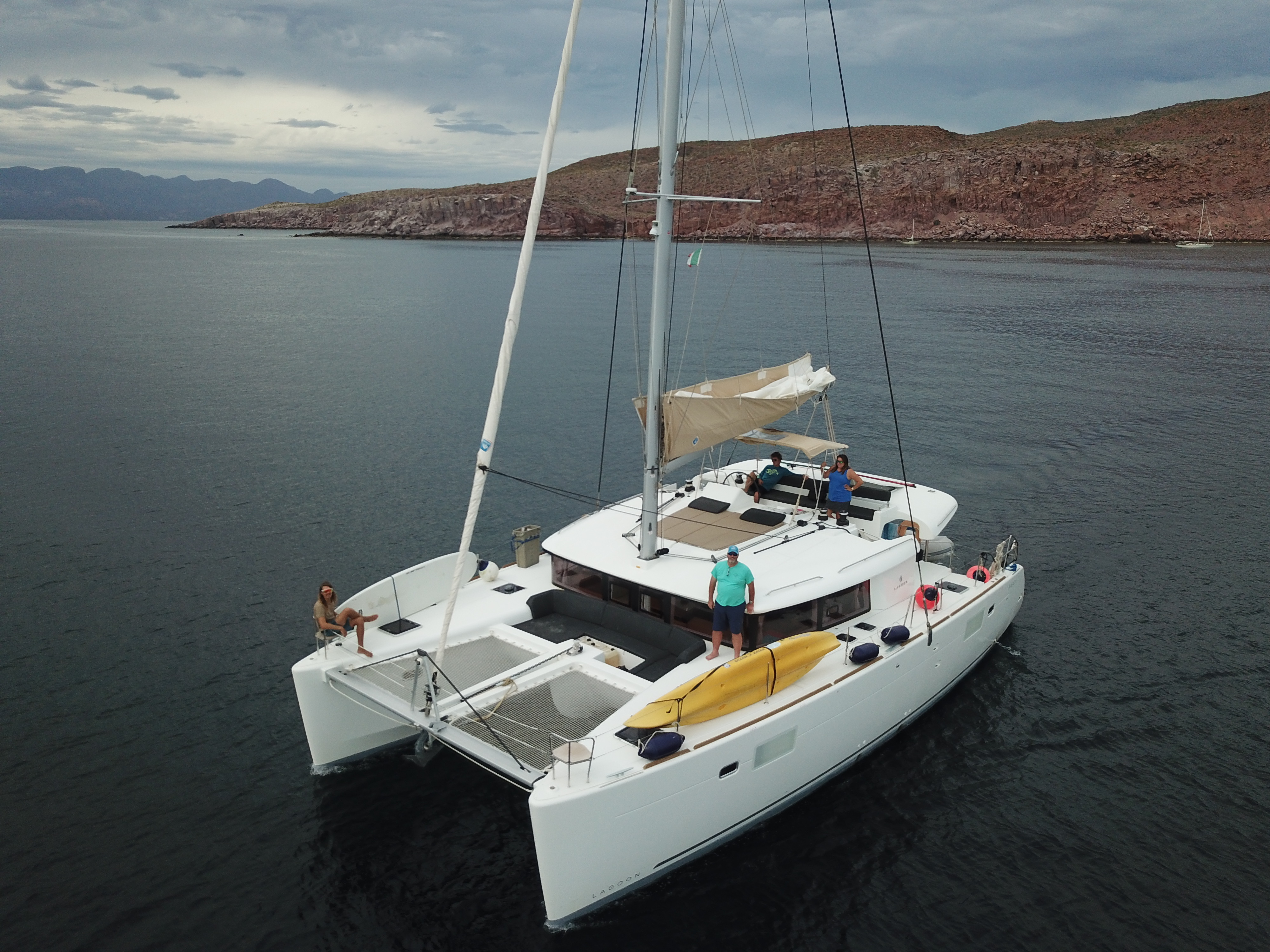
Kayaking is one of the four things we run, alongside fishing and spearfishing charters, freediving excursions and whale watching. It is also the one we have written down least, and this page is honest about that. Almost every specific, where it launches, how long it runs, what it costs and what comes with it, is still to be confirmed. What follows is what paddling this coast generally involves, so you know what you would be asking about.
We would rather publish a page full of gaps than a page full of guesses. So: whether this is sea kayaking, sit on top kayaking, a paddle along a beach or something else again is still being confirmed. Where the kayaks launch from is still being confirmed. How long a trip runs, what time it starts, what it costs, how many people come, whether a guide goes with you, and whether we provide the kayaks, paddles and buoyancy aids at all are still being confirmed. Whether any of our boats support a kayaking day is still being confirmed. If you want to book kayaking now, ask us and you will get an answer from the captain rather than from this page.
We are based in El Pescadero, near Todos Santos on the Pacific side, and we run trips off both coasts of the cape. That geography matters more for a kayak than for anything else we do, because a kayak has no engine to get you home. The Pacific side is open ocean fed by cold upwelling. Long groundswell arrives here from storms thousands of miles away, so the sea can be big under a blue sky with no local wind at all, and the beaches break. The Sea of Cortez side is warmer, more enclosed and generally flatter, with mornings that are often glass and a shorter, steeper chop when the wind gets up. Which coast a kayaking day would run on, and where along it, is still being confirmed.
On a powered boat the wind makes a day uncomfortable. In a kayak it decides whether the day happens. The pattern here is that mornings are usually the calm part and the wind builds through the day, which is why paddling anywhere on this coast tends to be an early activity. Winter north winds funnel down the Sea of Cortez and can blow hard for days at a time. Storm season runs roughly June through November. An offshore wind is the dangerous one, because it flattens the water near the beach and pushes you out while making the paddle back the hard direction. None of that is unique to us, it is just how this coast works.
Paddling is not difficult to learn and it is more tiring than people expect, particularly against wind or current. You get sun from above and sun reflected off the water for the whole time you are out, and there is no shade in a kayak. You will get wet. Getting back into a kayak in deep water after a capsize is a skill, not an instinct, and it is worth practising somewhere shallow before you need it. Be honest with whoever takes you out about your swimming, your fitness and anything medical, before you launch rather than after.
Sea lions, turtles, rays and dolphins are all along this coast, and humpback and grey whales pass roughly mid December through April. A kayak is quiet, which is why paddlers sometimes get closer to animals than boats do. Mexico regulates approach to marine mammals and those rules apply to a kayak as much as to a charter boat. Do not paddle at animals, do not put yourself between a mother and a calf, and give sea lion haul outs a wide berth, because they are not as relaxed as they look. Cabo Pulmo, up the East Cape, is a national marine park with its own access rules. Whether any kayaking we run goes near protected areas is still being confirmed.
Anyone not comfortable in open water, since a capsize is a normal part of kayaking rather than an emergency. Anyone who cannot get themselves out of the boat and back into it. People who want a guaranteed date, because wind cancels paddling more often than it cancels anything else we do. Anyone hoping to cover long distances on a first outing. Minimum age, weight limits and whether children can go are all still being confirmed.
Peak months in lagoon. Billfish are released; most of the rest goes in the box.
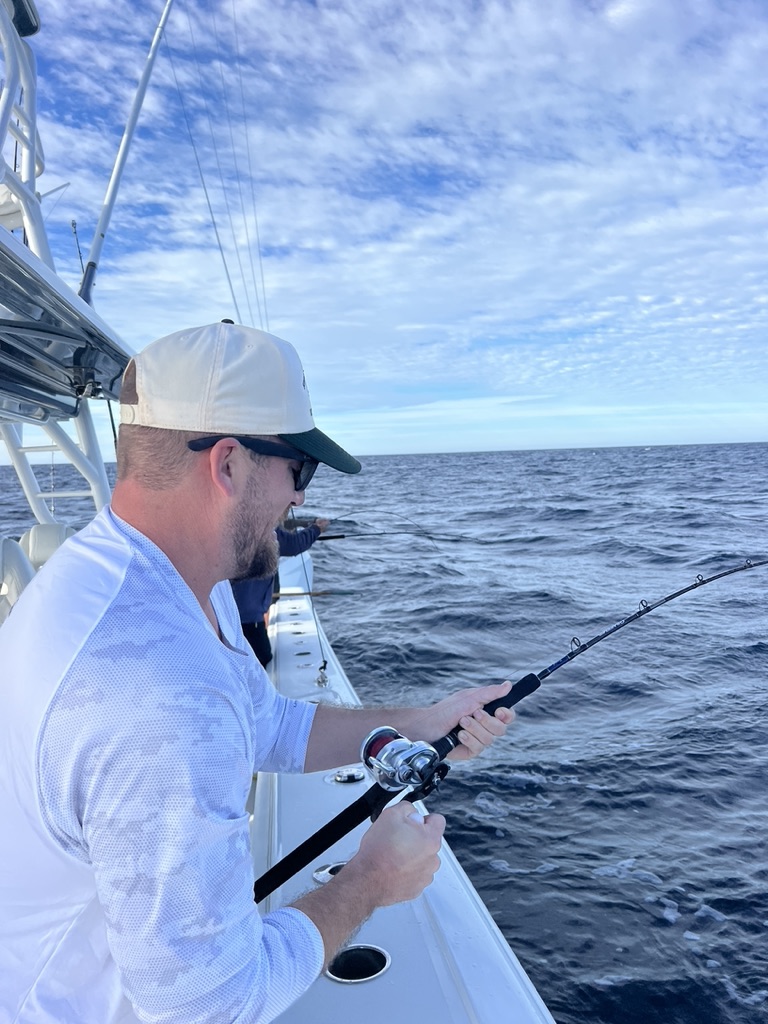
The short version of how a trip with Indigo Adventures works. Licences, deposits, boats and what happens to your catch. The full FAQ has the rest.
Read the full FAQ→Indigo Adventures is based in El Pescadero, on the Pacific side of Baja California Sur, a few minutes south of Todos Santos. Boats launch from three points: Punta Lobos beach in Todos Santos, San Jose del Cabo, and the Cabo San Lucas Marina. Which boat runs your trip decides where you meet us.
Custom fishing and spearfishing charters, freediving excursions, whale watching from mid December to April, and kayaking. Every trip is built around your group, your dates and the conditions rather than a fixed timetable, and almost every one goes out private.
Book online on the Book Now page, where availability is live and a 50 percent deposit holds the date. If you would rather we picked the trip, send an enquiry with who is coming, when you are here and what you want out of the day, and we will say which trip fits and which one does not.
No. Everyone fishing in Mexican waters needs a Mexican sportfishing licence, and each angler buys their own. We help you arrange it before the day so nobody is sorting paperwork on the dock. The same licence covers rod and spear.
Rarely. Almost every trip goes out as a private boat for you and your group. If a split makes sense for a small party we will say so when you enquire.
Three on the 24 foot Punta Lobos panga, up to four on La Ruca and La Morita, and up to six on Don Pancho and El Wahoo King. Whale watching numbers run a little higher because nobody is swinging a rod.
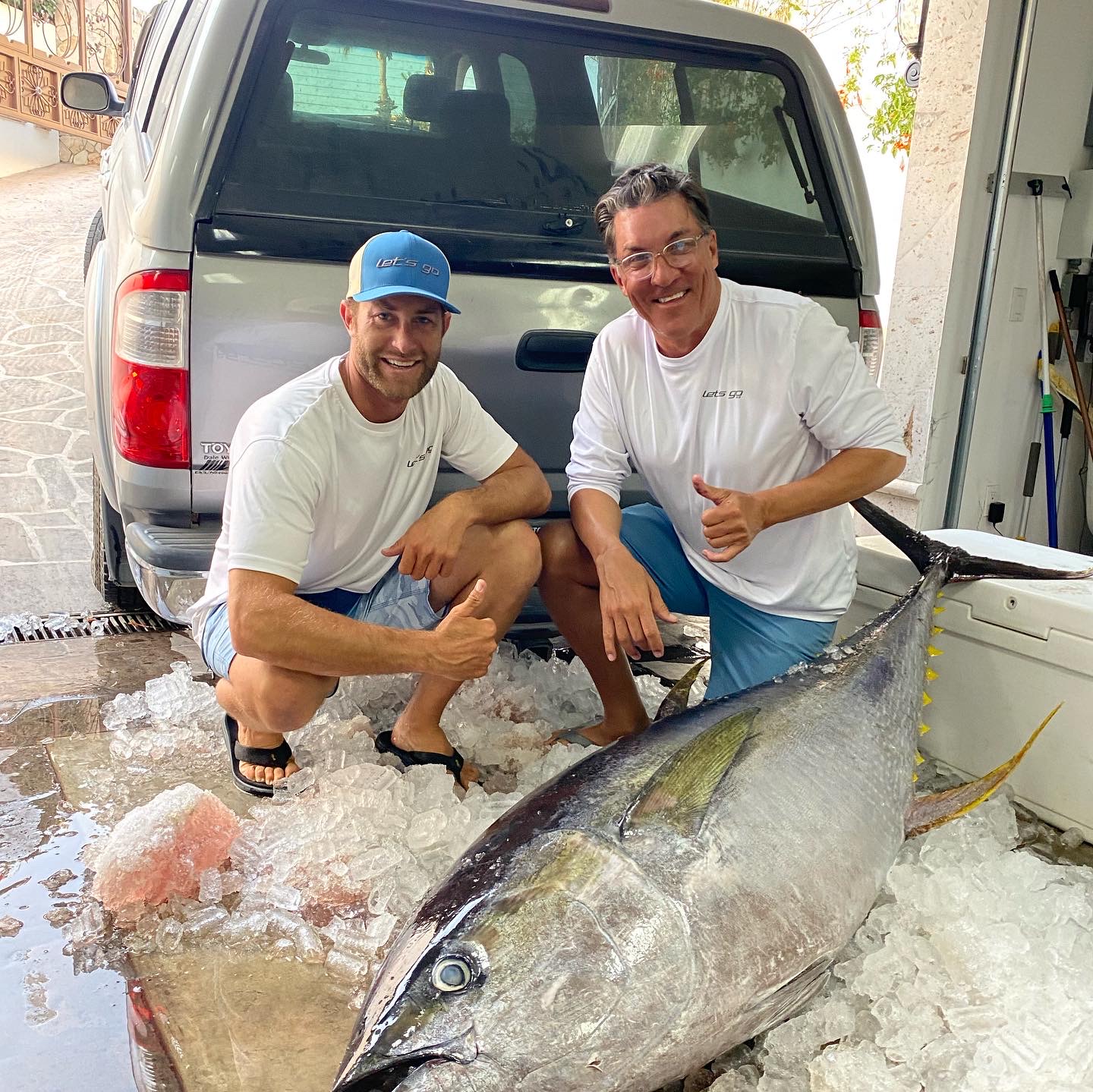
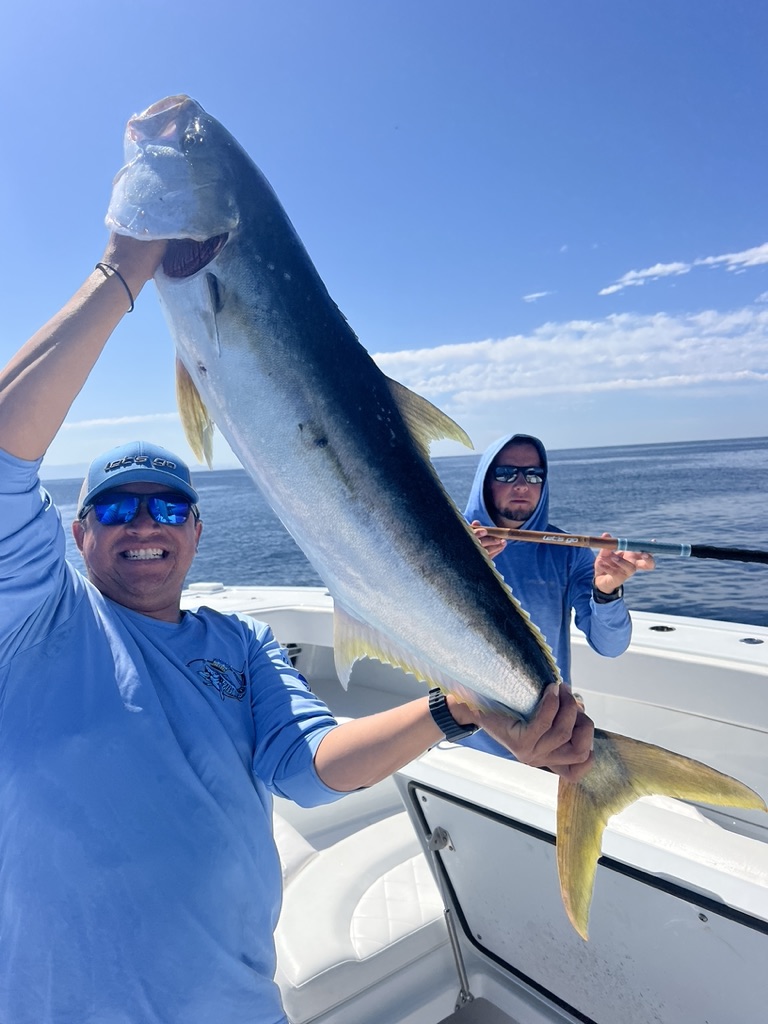
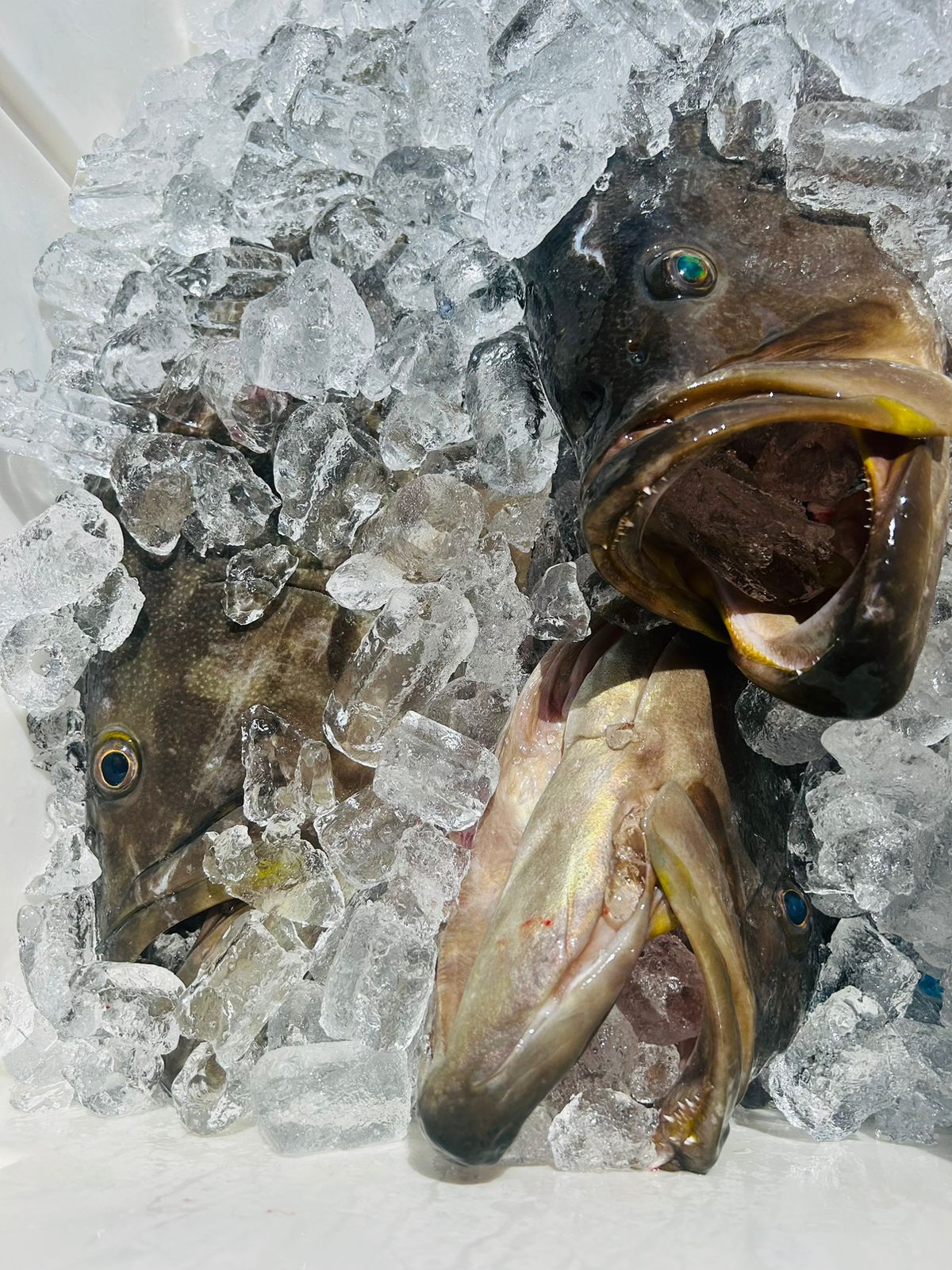
Yes. The catch goes home with you. Filleting at the dock, vacuum sealing and freezing are available, and most guests fly home with a cooler. Marlin are mostly released, with judgement on the day.
Yes, on fishing days. The crew rigs and handles the gear and hands you the rod when something eats. Guided spearfishing needs breath-hold experience and runs on a strict buddy system, which is the only legal way to spearfish in Mexico. Water, ice and snacks are normally aboard.