
From roughly mid December through April, humpbacks and grey whales move past this coast and we go out to watch them. We keep the legal distance, cut the engine, and let the animals decide how close the encounter gets. Outside that window we do not run this trip, and we will say so rather than sell you a boat ride and hope.
Whale season on this coast runs roughly from mid December through April. Humpbacks come down from the north to breed and calve in warm water, and grey whales pass along the Pacific side on their way to and from the lagoons further up the peninsula. The edges of the season are soft. Early December can be quiet and late April can still produce animals. Outside that window this trip does not run. If you contact us in August asking for whales, we will tell you no. That answer costs us a booking and saves you a wasted morning.
Humpbacks are the animal most people see here. Blows first, then backs, then if you are lucky a breach or a tail slap. Mothers with calves move slowly and often stay near the surface, and they are the encounters people remember. Grey whales are more usually seen on the Pacific side. There are other animals out there through the season, including dolphins, mobula rays, turtles and sea birds, and in some years other whale species pass through. We do not promise any particular behaviour. Whales are wild animals with somewhere else to be.
Mexico regulates whale watching, and the rules cover minimum approach distance, how many boats may be near an animal, speed, and how long you may stay. We follow them. We approach from the side rather than head on, we never cut across an animal's path, we do not chase, and we shut down and wait when whales come toward us. If a mother with a calf shows any sign of being crowded, we back off. Our permit details and licence numbers are still being confirmed. If you have been on a boat elsewhere that pushed hard at animals for a better photo, this trip will feel restrained. That is deliberate.
Do not book it outside the season, because we will not be running it. Do not book it if you need a guaranteed sighting. Sightings in season are common but they are not certain, and our policy if you see nothing is still being confirmed. Do not book it if you get seasick easily, because we spend a lot of time stopped and drifting, which is the worst motion there is for a queasy stomach. And do not book it expecting a swim with whales. That is not what this trip is and it is not permitted here in the way some people imagine.
Bring a zoom lens if you have one, and set a fast shutter speed. Whales surface without warning and you will miss most of it through a viewfinder. Take a couple of shots and then put the camera down. Salt spray and lenses do not mix, so bring a cloth and something to cover the body. Phone photos of whales are almost always disappointing, and that is not a reflection on the whales.
People underestimate this every year. The cape is warm on land and cold on a moving boat in winter, particularly early in the morning and particularly with spray. Bring a windproof layer, long trousers, and something for your head. Sunglasses and sunscreen still apply, since the winter sun here burns as efficiently as the summer one.
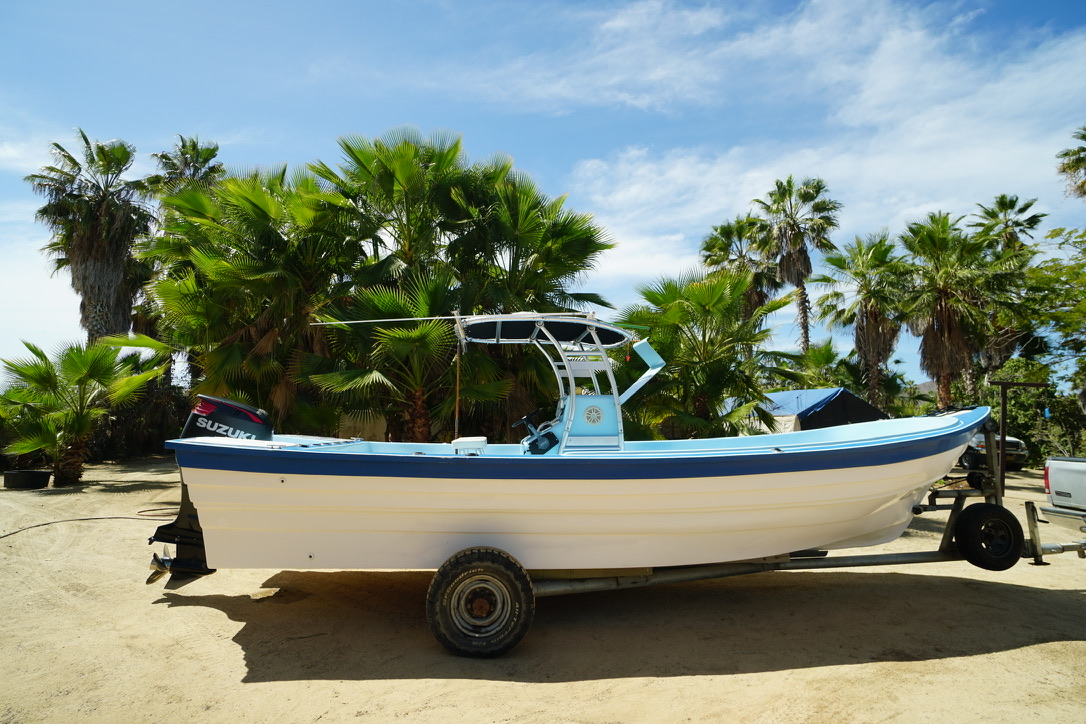
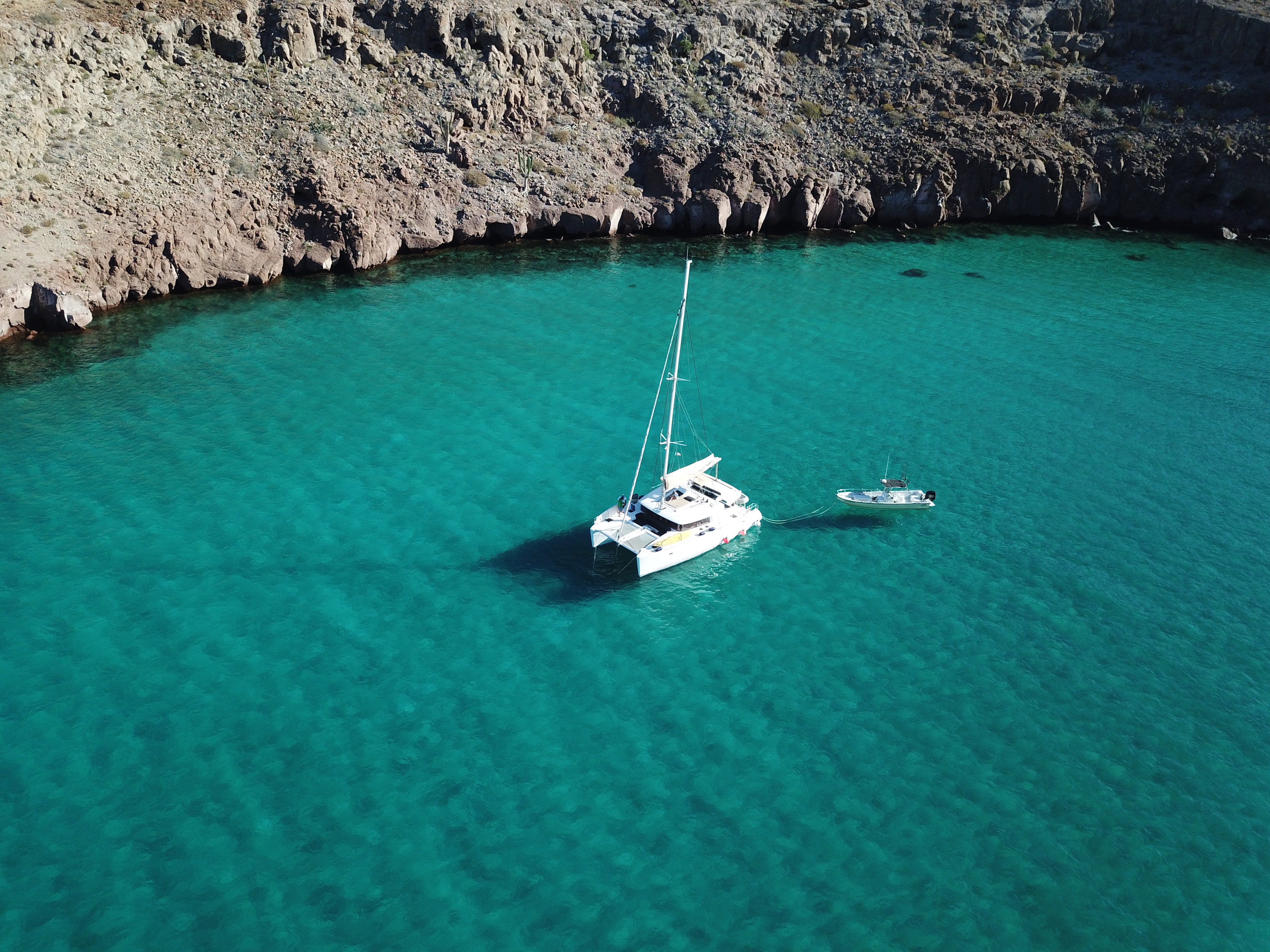
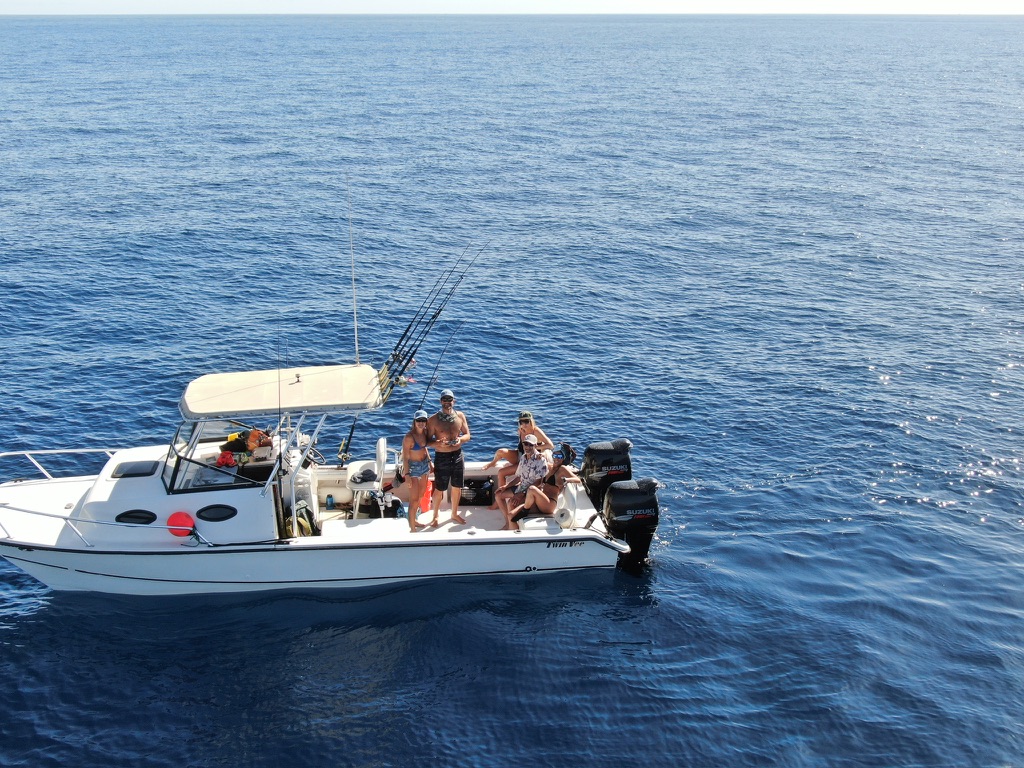
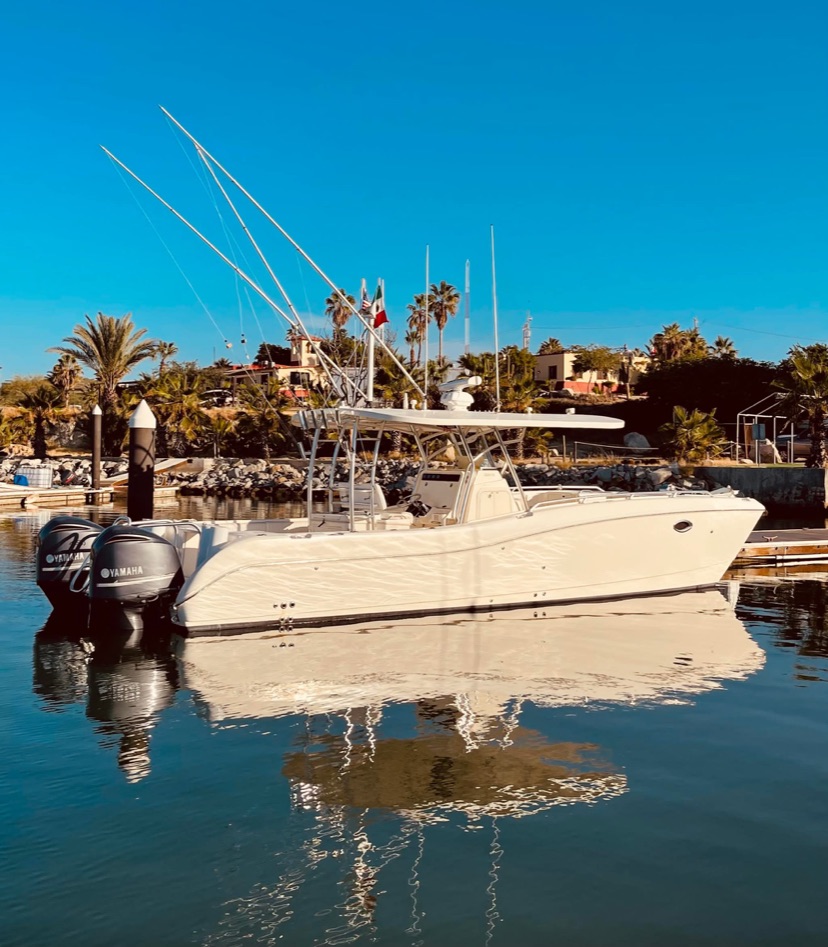
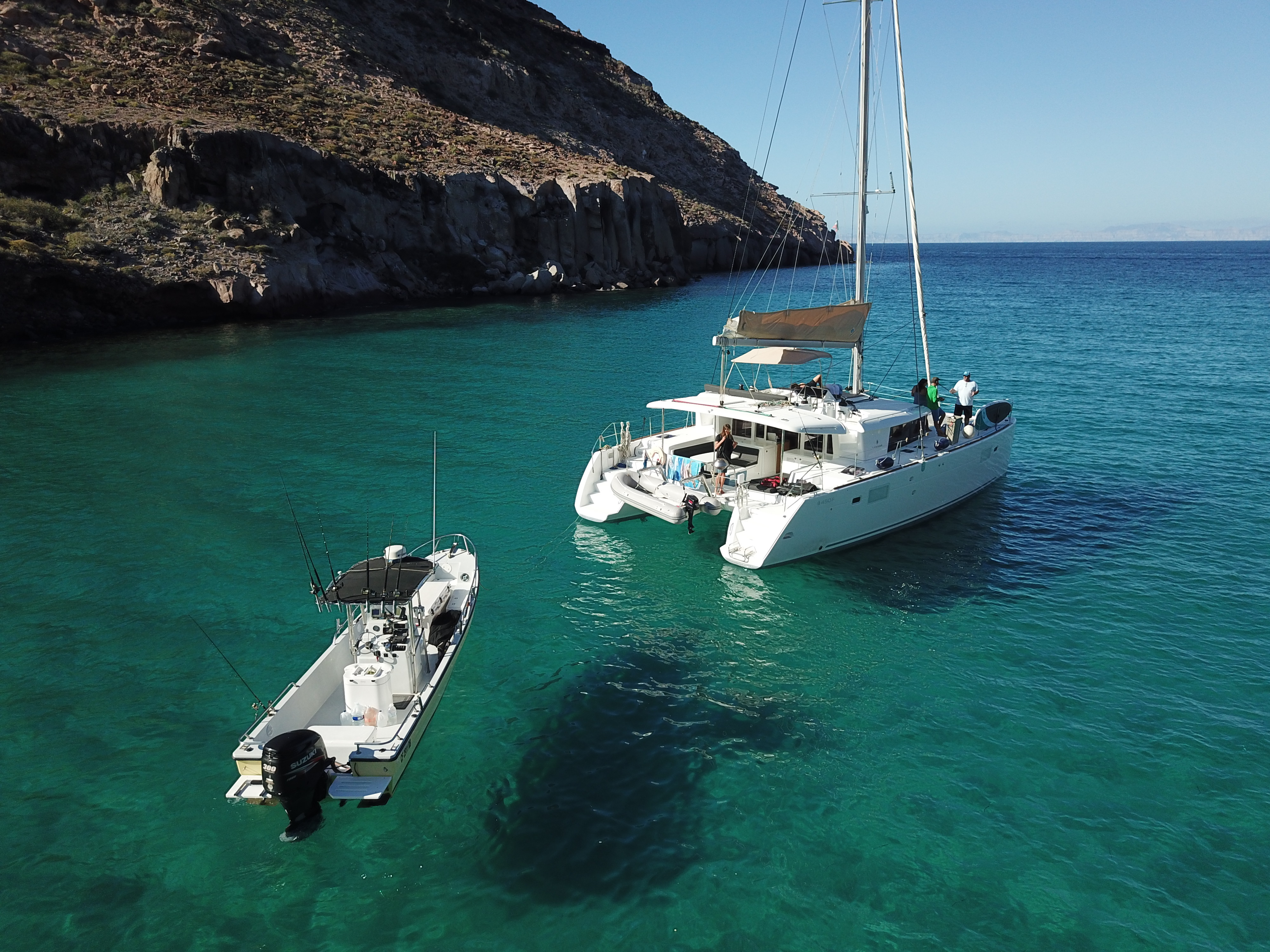
We are based in El Pescadero, near Todos Santos on the Pacific side, and the boats do not all leave from the same place, so where we meet depends on which one runs your trip. The 35 foot El Wahoo King leaves from Cabo San Lucas Marina and the 28 foot catamaran La Morita from San Jose del Cabo. Departure points for the 27 foot super panga La Ruca and the 33 foot Don Pancho are still being confirmed, and departure times are still being confirmed. Tell us where you are staying when you enquire, because on this trip the drive to the boat is a real part of the morning. We almost never run split charters, so you are out there with your own people rather than at a crowded rail, which matters more than you would think when an animal surfaces close and everybody wants the same side of the deck. For whale watching La Ruca and La Morita take five, Don Pancho up to seven and El Wahoo King eight.
Winter north winds can make the water rough enough that a trip is not worth running. If we cancel for weather we will tell you as early as we can. A 50% deposit is normally required to hold a date. Cancellation, refund and rebooking terms are still being confirmed. If you are visiting in the shoulder weeks at either end of the season, ask us what is actually being seen that week rather than trusting a calendar.
Peak months in lagoon. Billfish are released; most of the rest goes in the box.
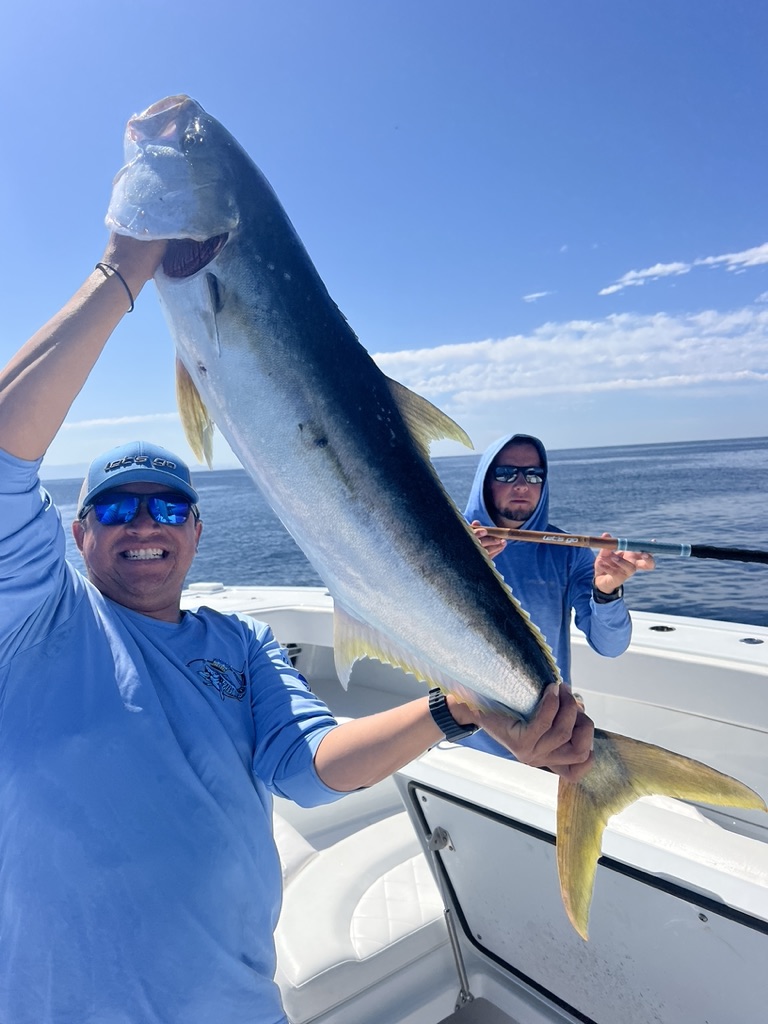
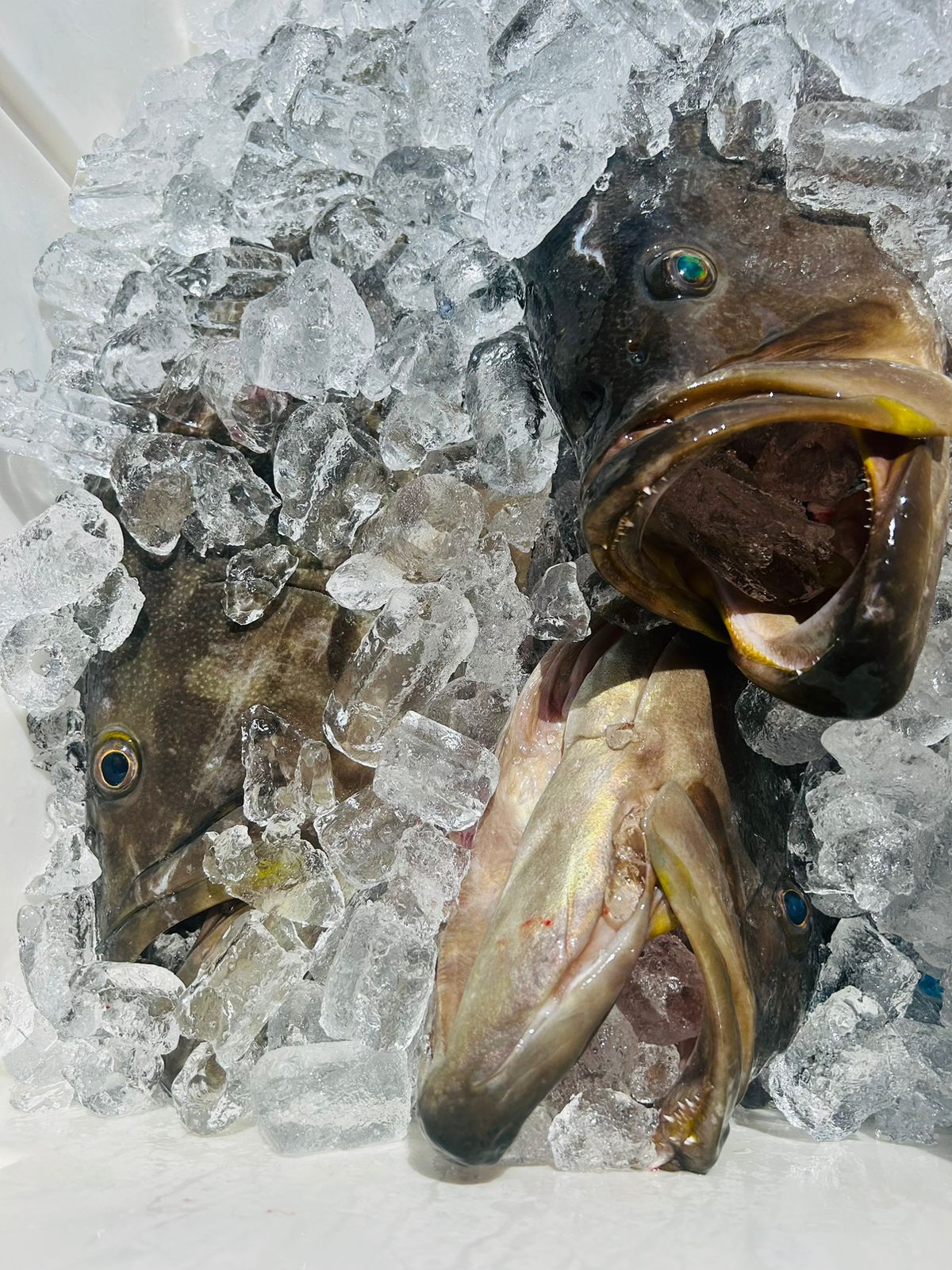
The short version of how a trip with Indigo Adventures works. Licences, deposits, boats and what happens to your catch. The full FAQ has the rest.
Read the full FAQ→Indigo Adventures is based in El Pescadero, on the Pacific side of Baja California Sur, a few minutes south of Todos Santos. Boats launch from three points: Punta Lobos beach in Todos Santos, San Jose del Cabo, and the Cabo San Lucas Marina. Which boat runs your trip decides where you meet us.
Custom fishing and spearfishing charters, freediving excursions, whale watching from mid December to April, and kayaking. Every trip is built around your group, your dates and the conditions rather than a fixed timetable, and almost every one goes out private.
Book online on the Book Now page, where availability is live and a 50 percent deposit holds the date. If you would rather we picked the trip, send an enquiry with who is coming, when you are here and what you want out of the day, and we will say which trip fits and which one does not.
No. Everyone fishing in Mexican waters needs a Mexican sportfishing licence, and each angler buys their own. We help you arrange it before the day so nobody is sorting paperwork on the dock. The same licence covers rod and spear.
Rarely. Almost every trip goes out as a private boat for you and your group. If a split makes sense for a small party we will say so when you enquire.
Three on the 24 foot Punta Lobos panga, up to four on La Ruca and La Morita, and up to six on Don Pancho and El Wahoo King. Whale watching numbers run a little higher because nobody is swinging a rod.
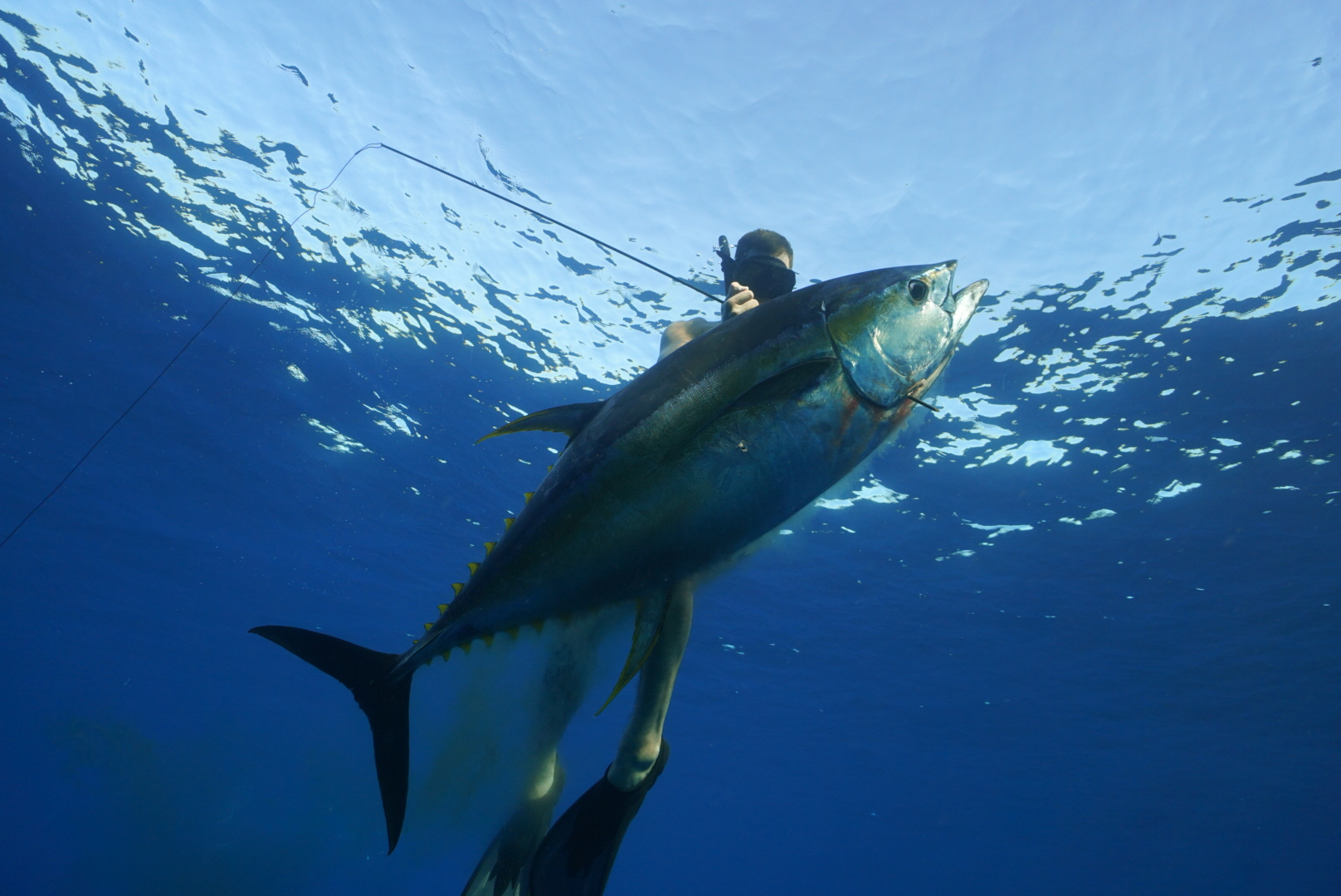
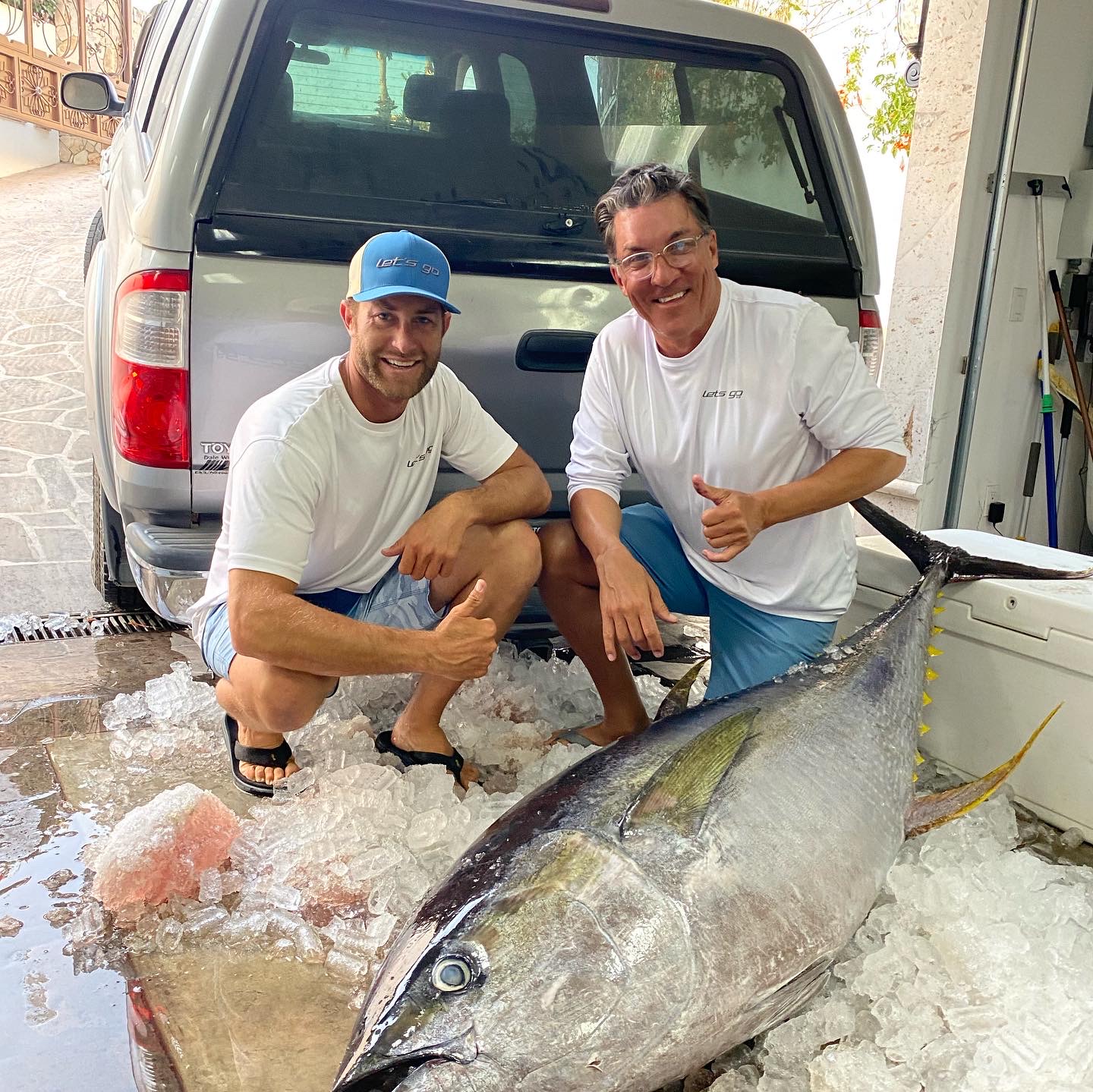
Yes. The catch goes home with you. Filleting at the dock, vacuum sealing and freezing are available, and most guests fly home with a cooler. Marlin are mostly released, with judgement on the day.
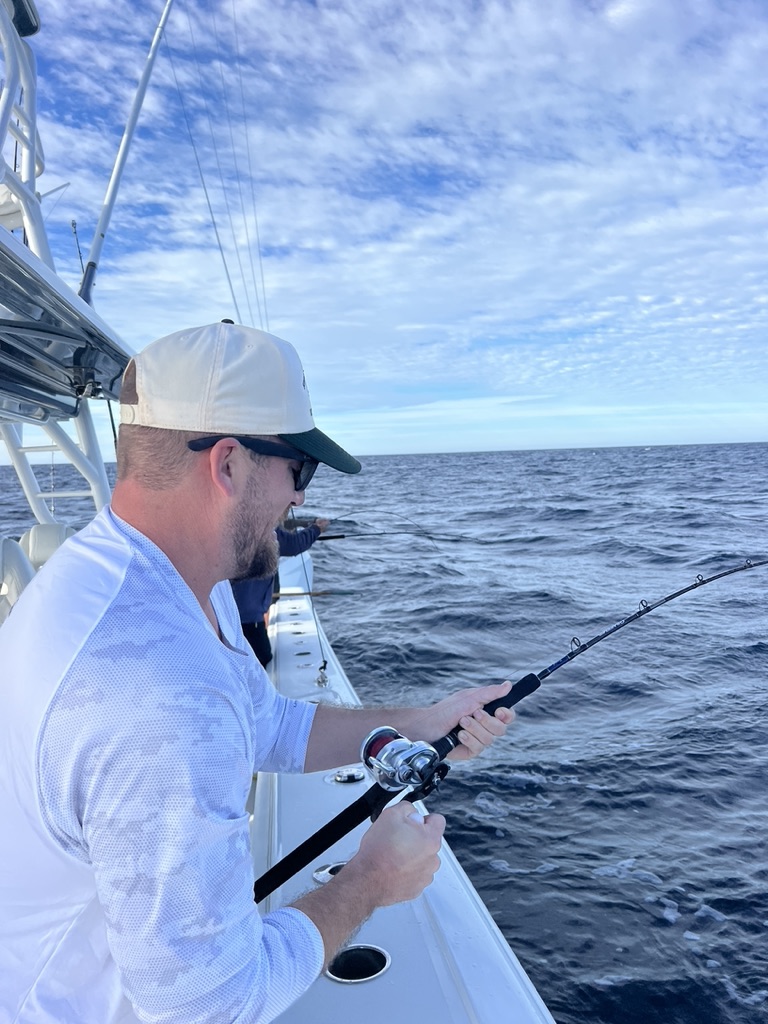
Yes, on fishing days. The crew rigs and handles the gear and hands you the rod when something eats. Guided spearfishing needs breath-hold experience and runs on a strict buddy system, which is the only legal way to spearfish in Mexico. Water, ice and snacks are normally aboard.