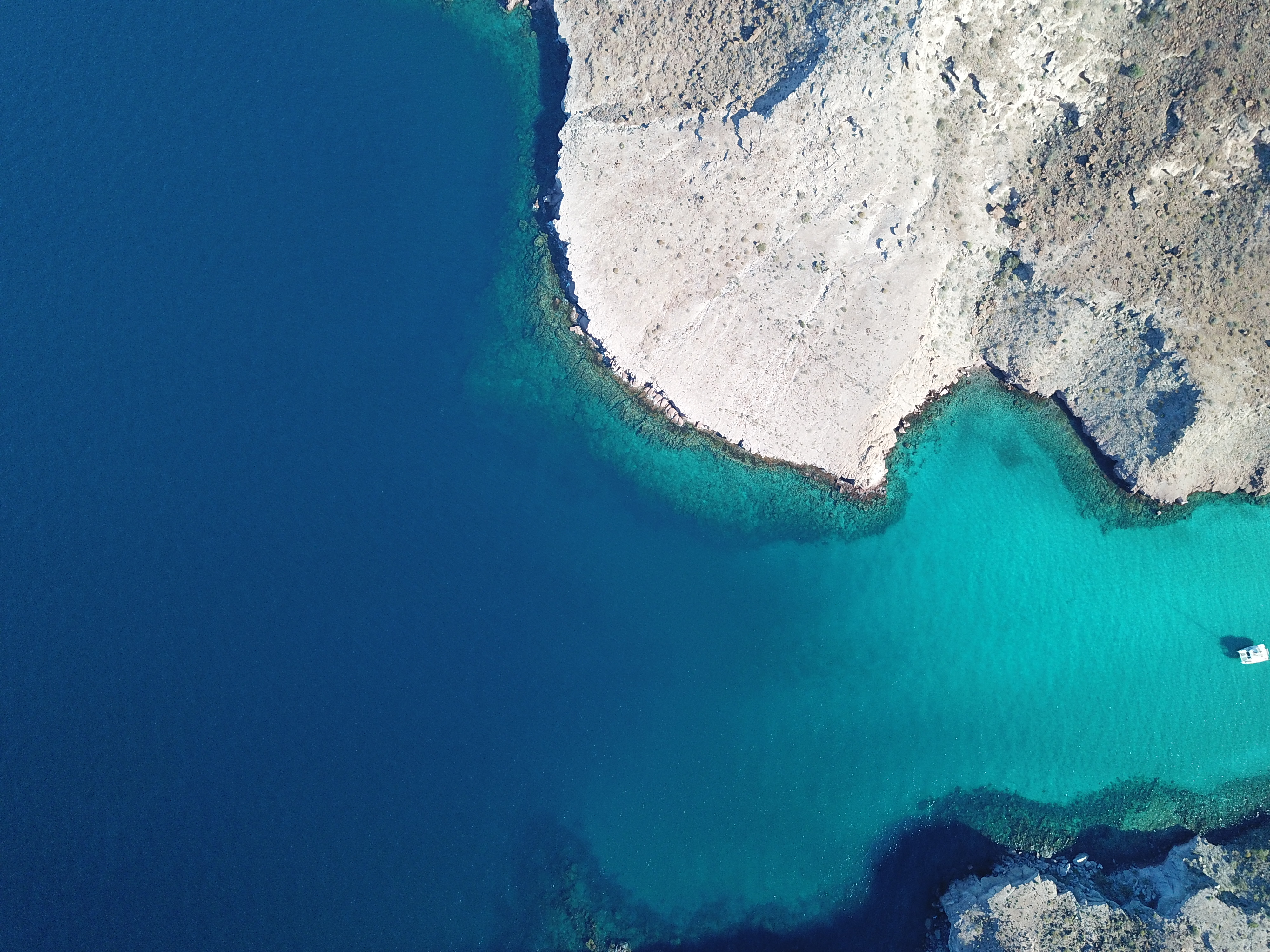
Cabo Pulmo is a National Marine Park and part of a UNESCO World Heritage site, built around a living hard coral reef. Fishing is prohibited here and has been for decades. That ban is exactly why the place is worth visiting. This is a snorkelling, diving and wildlife destination, and nothing else.
Start here because everything else follows from it. Cabo Pulmo is a no take National Marine Park. Fishing inside the park is prohibited, for visitors and for locals alike, and the boundaries are enforced.
We are a fishing company and we think that ban is one of the best decisions ever made on this coast. Before protection the reef had been fished down hard. The local community, families who had made their living from fishing it, pushed for the area to be closed and then made their living from showing it to people instead. That is not a small thing to ask of a village.
What happened afterwards has been studied and written up repeatedly, and the short version is that fish came back on a scale that surprised the people doing the counting. Reported increases in total fish biomass over the first decade or so of protection are large enough that the site gets cited internationally as evidence that marine reserves work. Treat any single percentage you read with some caution, but the direction of travel is not in dispute. Predators returned. Big schools returned.
Cabo Pulmo holds one of the few living hard coral reefs on the west coast of North America, and it is generally described as among the oldest in the eastern Pacific. Most reef in this part of the world is rock covered in growth. This is actual coral, in a place where the water gets cooler than corals normally tolerate.
It is laid out as a series of coral fingers running roughly parallel to the shoreline, with sand channels between them. The inner fingers are shallow and reachable from the beach. Move out and they get deeper, and there are separate pinnacles and rock structures further offshore.
The reason people come back is density rather than novelty. You do not see a few fish. You see walls of them.
Water temperature swings a lot through the year here, which affects both what you see and what you want to wear. Visibility is generally better in the warmer months and can drop after weather.
The park is managed and there are rules. No fishing of any kind. No taking anything, including shells and coral. No touching or standing on coral. Boats work under permit and there are limits on where they go and how many people are in the water. Some activities require a certified local guide.
Park fees apply for entry to the protected area. To confirm for current amounts and how we handle them.
These rules can feel fussy if you have travelled a long way. They are the reason the thing you travelled for still exists. A reef that recovered because people stopped taking from it can be undone by people taking from it again.
Most visitors reach Cabo Pulmo by road, up Highway 1 and then east on the road toward the coast. The final stretch is unpaved in places and conditions vary with weather. The village is small, with limited services and limited power and connectivity. There are no resorts. That is deliberate and there has been a long running effort locally to keep it that way.
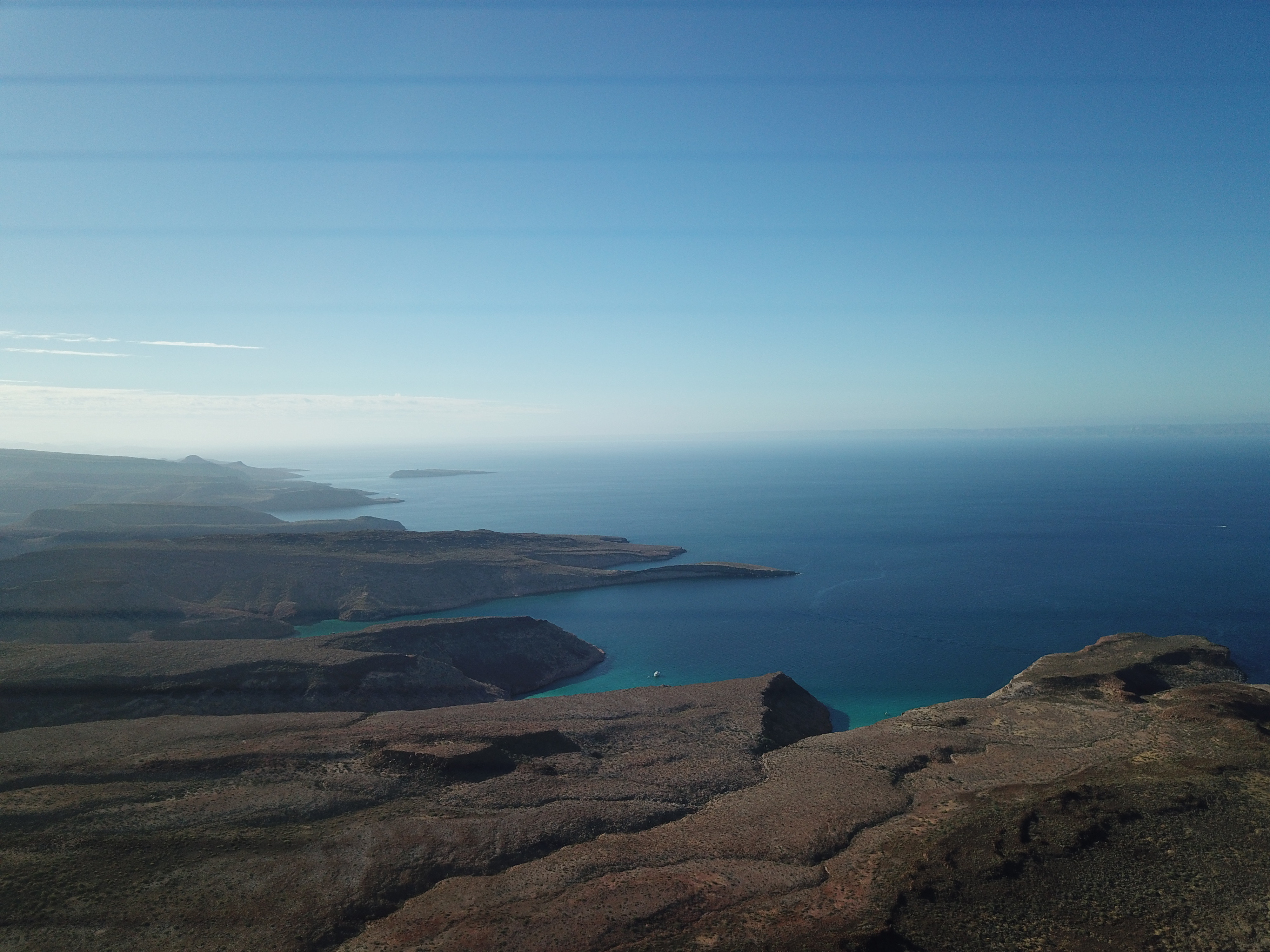
By sea it is a long way from Cabo San Lucas marina, well past Punta Gorda and Los Frailes. To confirm for whether we run trips there, in what format, and what they include.
Use reef safe sunscreen or cover up instead. Do not stand on anything. Keep your fins off the coral, which is easier said than done in a surge. Book with local operators where you can, because the village economy is what keeps the protection politically alive. Take your rubbish out with you.
Go and look at it. Leave it exactly as you found it.
The short version of how a trip with Indigo Adventures works. Licences, deposits, boats and what happens to your catch. The full FAQ has the rest.
Read the full FAQ→Indigo Adventures is based in El Pescadero, on the Pacific side of Baja California Sur, a few minutes south of Todos Santos. Boats launch from three points: Punta Lobos beach in Todos Santos, San Jose del Cabo, and the Cabo San Lucas Marina. Which boat runs your trip decides where you meet us.
Custom fishing and spearfishing charters, freediving excursions, whale watching from mid December to April, and kayaking. Every trip is built around your group, your dates and the conditions rather than a fixed timetable, and almost every one goes out private.
Book online on the Book Now page, where availability is live and a 50 percent deposit holds the date. If you would rather we picked the trip, send an enquiry with who is coming, when you are here and what you want out of the day, and we will say which trip fits and which one does not.
No. Everyone fishing in Mexican waters needs a Mexican sportfishing licence, and each angler buys their own. We help you arrange it before the day so nobody is sorting paperwork on the dock. The same licence covers rod and spear.
Rarely. Almost every trip goes out as a private boat for you and your group. If a split makes sense for a small party we will say so when you enquire.
Three on the 24 foot Punta Lobos panga, up to four on La Ruca and La Morita, and up to six on Don Pancho and El Wahoo King. Whale watching numbers run a little higher because nobody is swinging a rod.
Yes. The catch goes home with you. Filleting at the dock, vacuum sealing and freezing are available, and most guests fly home with a cooler. Marlin are mostly released, with judgement on the day.
Yes, on fishing days. The crew rigs and handles the gear and hands you the rod when something eats. Guided spearfishing needs breath-hold experience and runs on a strict buddy system, which is the only legal way to spearfish in Mexico. Water, ice and snacks are normally aboard.