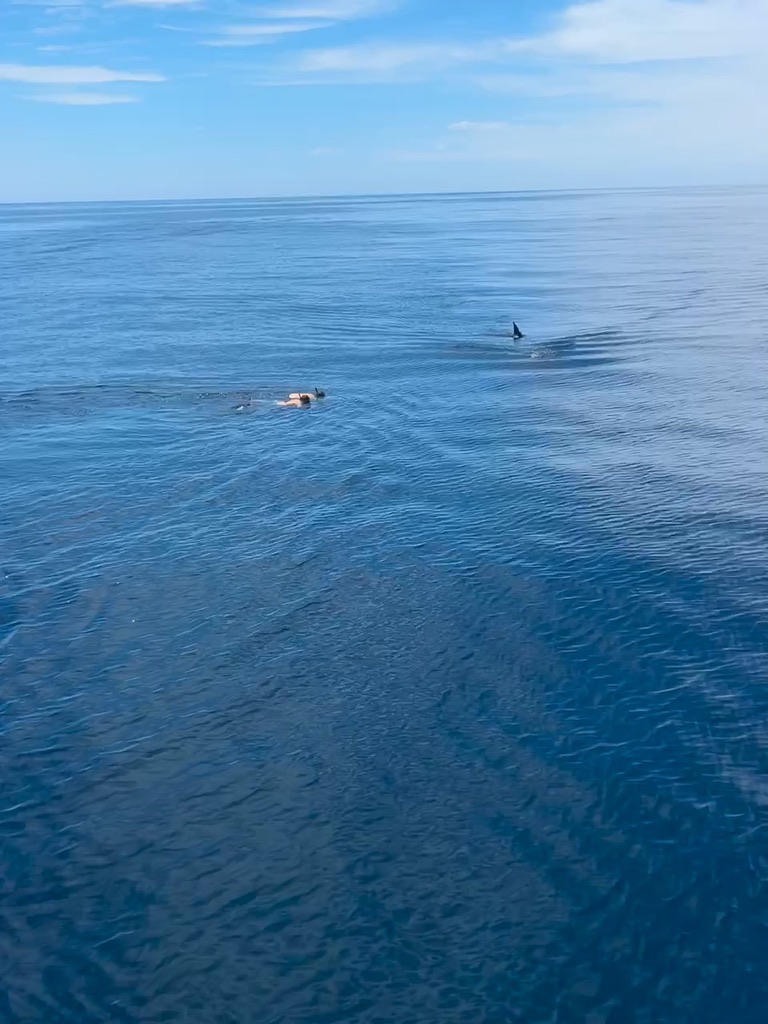
Striped marlin are the reason Cabo built a reputation. They are here in some number every month of the year, they show up in numbers most places only dream about, and they will eat a bait right on the surface where you can watch the whole thing happen. If you have never caught a billfish, this is the one you are most likely to catch.
Every port has a fish it is known for. Ours is the striped marlin. They stack up on the banks off the Pacific side of the cape, they feed on the surface where you can see them coming, and they are here in every season. That combination is rare. Plenty of places have marlin. Not many have marlin you can reasonably plan a trip around.
A striped marlin is not the biggest billfish in this water. Blue and black marlin both run heavier. What the stripey has is numbers and attitude. They fight above the water more than below it, they jump early and often, and a fish in the 120 pound range will make you work harder than the weight suggests.
You can catch striped marlin here in any month. That said, the fishing is not flat across the year.
The strongest stretch runs from late fall into spring, roughly November through May. Water cools, bait piles up on the banks, and the marlin follow it. On the best days in that window the fish are visible on the surface, cruising with their dorsal and tail out of the water, and the day turns into sight fishing rather than blind trolling.
Summer and early fall still produce stripers, but the water warms and the blue marlin, sailfish, and dorado move in. Those months you are more likely to catch a striped marlin as part of a mixed day than as the main target.
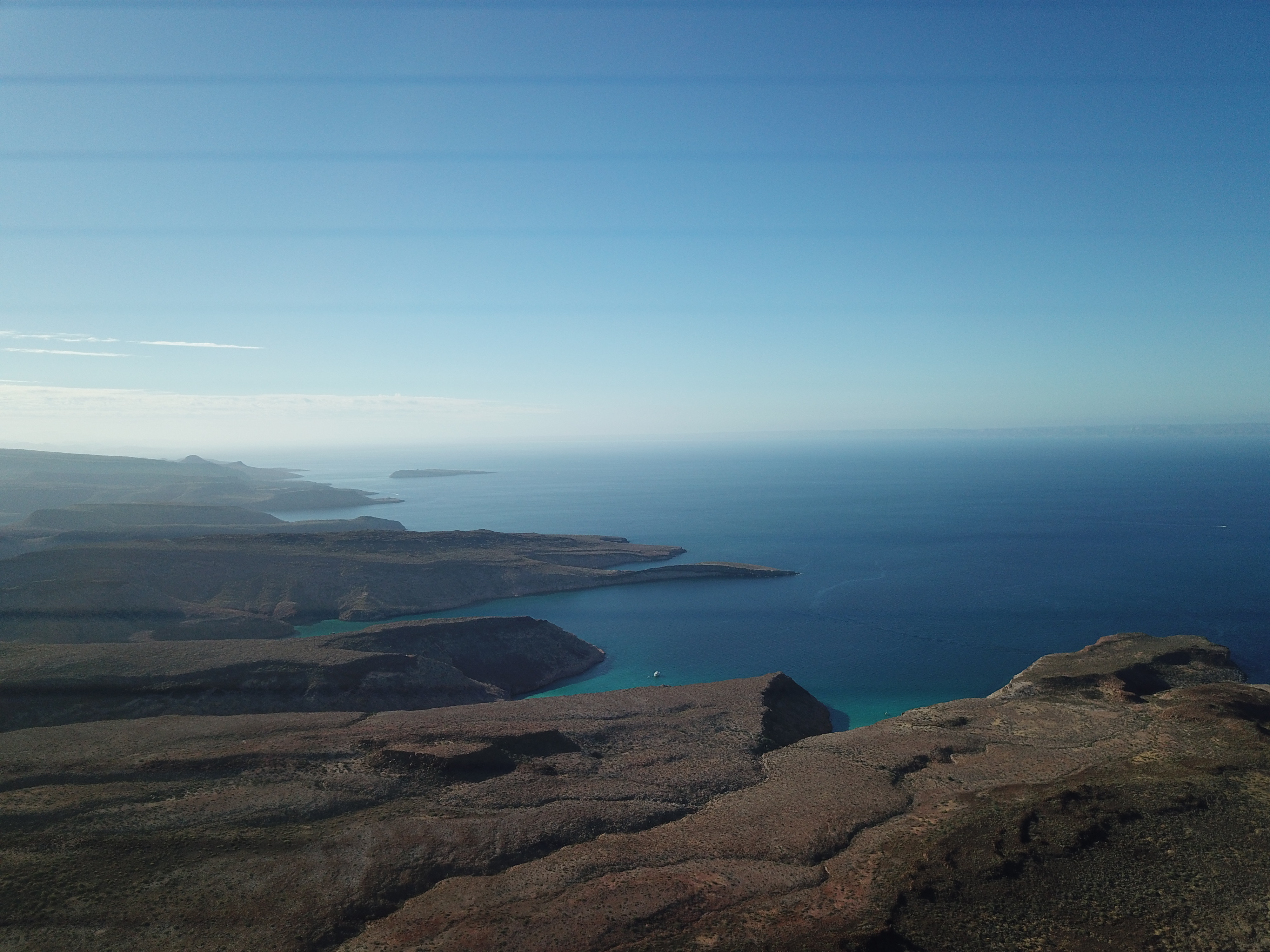
The banks do most of the work. Golden Gate Bank and San Jaime Bank, both out on the Pacific side of the cape, are the two names you will hear most. They are underwater rises that push current up and concentrate bait, and marlin sit on them for that reason.
Which one we run depends on the day. Wind, swell, and where the fish were working the day before all factor in. Some mornings the answer is a shorter run and closer water. On a slow stretch we push out further. That call gets made on the water, not the night before.
Two ways, and most good days use both.
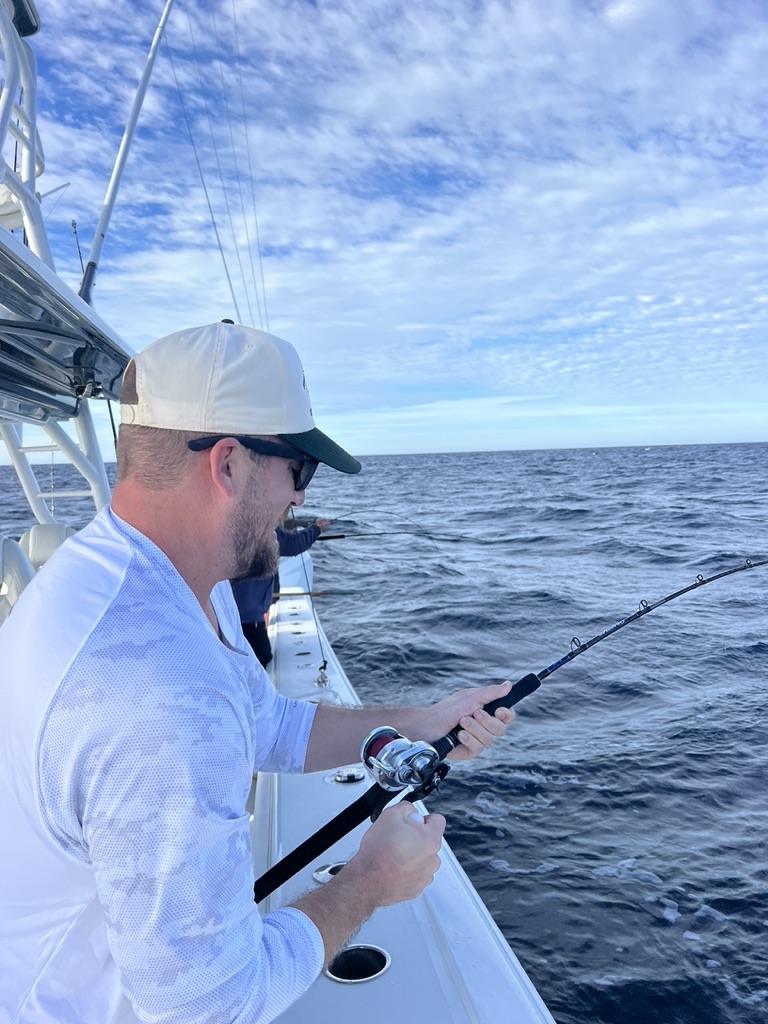
The first is trolling. We pull a spread of lures or rigged bait at speed and cover ground until something comes up on it. This is how you find fish when they are not showing on top.
The second is the one people remember. When marlin are up and tailing, we shut down, put a live bait in front of a specific fish, and watch. The marlin comes over, lights up blue, and eats where you can see it. There is a pause in there where you have to let the fish turn before you come tight, and getting that pause right is most of the skill in it. We will talk you through it before it happens.
Tackle is conventional, and we set the drag for the fish rather than for your ego. Most anglers who have never fought a billfish do fine. It is less about strength than about not panicking when the fish jumps.
Marlin fishing is a running game. You are covering water, and the fish is either there or it is not. A good day can produce several shots. A slow day can produce one, and that one is the day.
We generally target striped marlin on a full day rather than a half day, because the banks are a real run and you want time on the fishing grounds once you get there. Departure is typically to confirm, and a full day runs to confirm on the water.
We release striped marlin as a matter of course. That is how nearly every one of them ends up and it is what you should plan on when you book. It is not an absolute rule and we are not going to print one. It is situational, and the call belongs to the captain on the day, with the fish alongside and the state of that particular fish to go on.
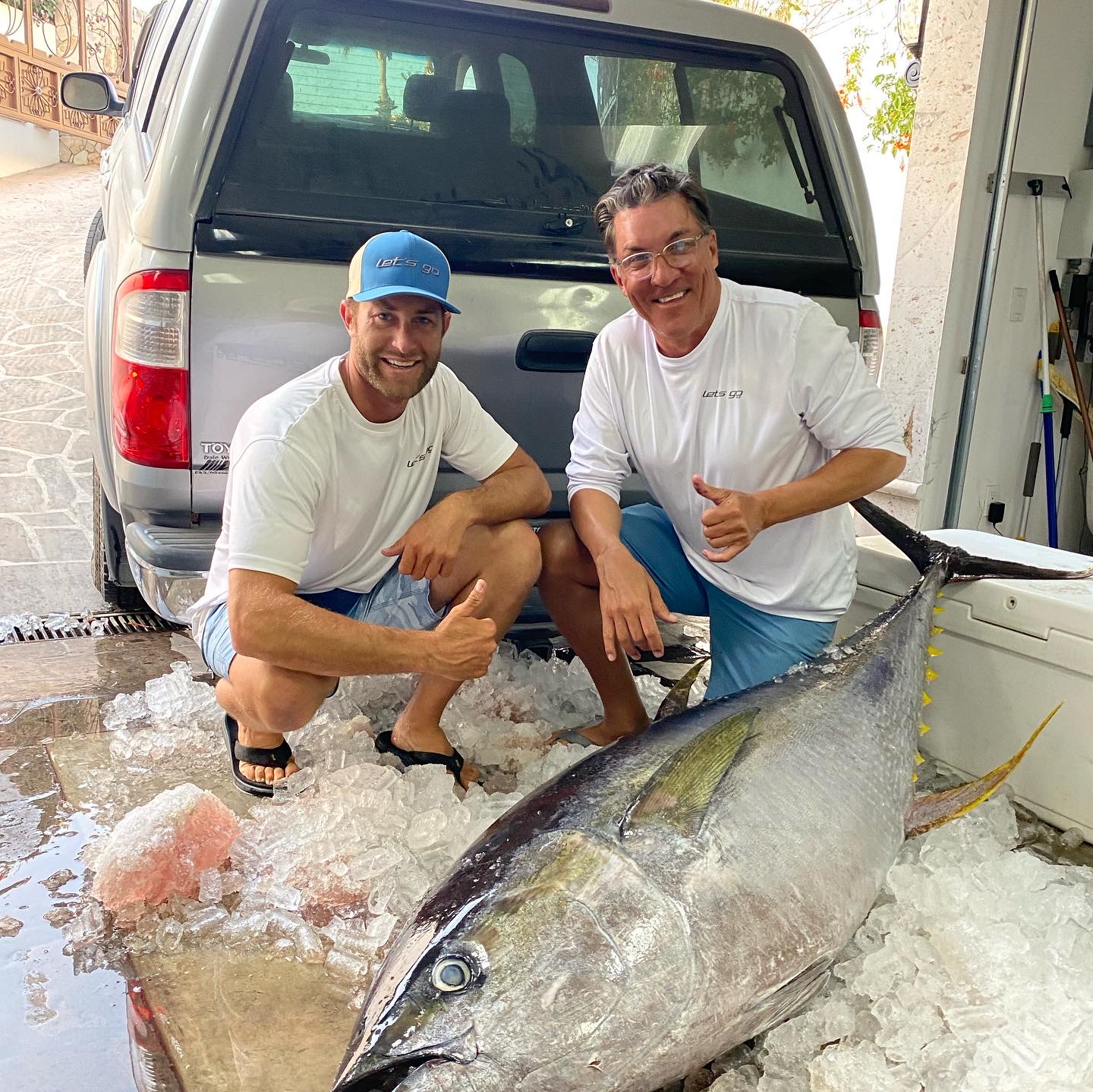
What does not change is the reasoning or the handling. There is no version of this fishery that survives a boat killing marlin for photos. The photo happens boatside with the fish in the water, we get the hook out or cut the leader close, and we hold the fish alongside until it swims off on its own. If you want fish for the table, this is the wrong target and we will point you at tuna or dorado instead, often on the same trip.
Striped marlin is the best first billfish there is. The fish is a manageable size, the bite is visual so nobody is confused about what is happening, and the fight is short enough that a first timer is not wrecked halfway through. Kids do fine on them with an adult on the rod for the first run.
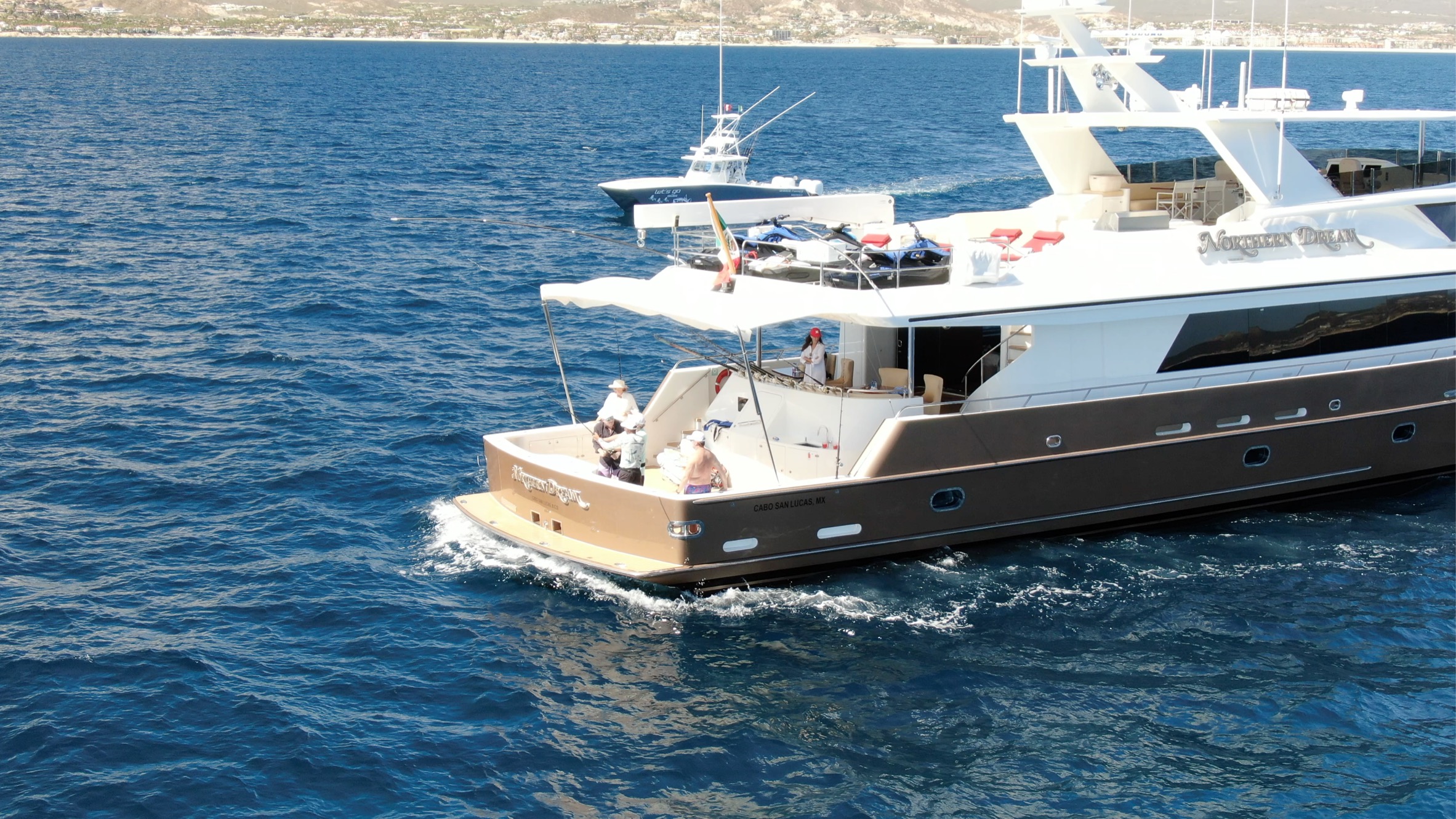
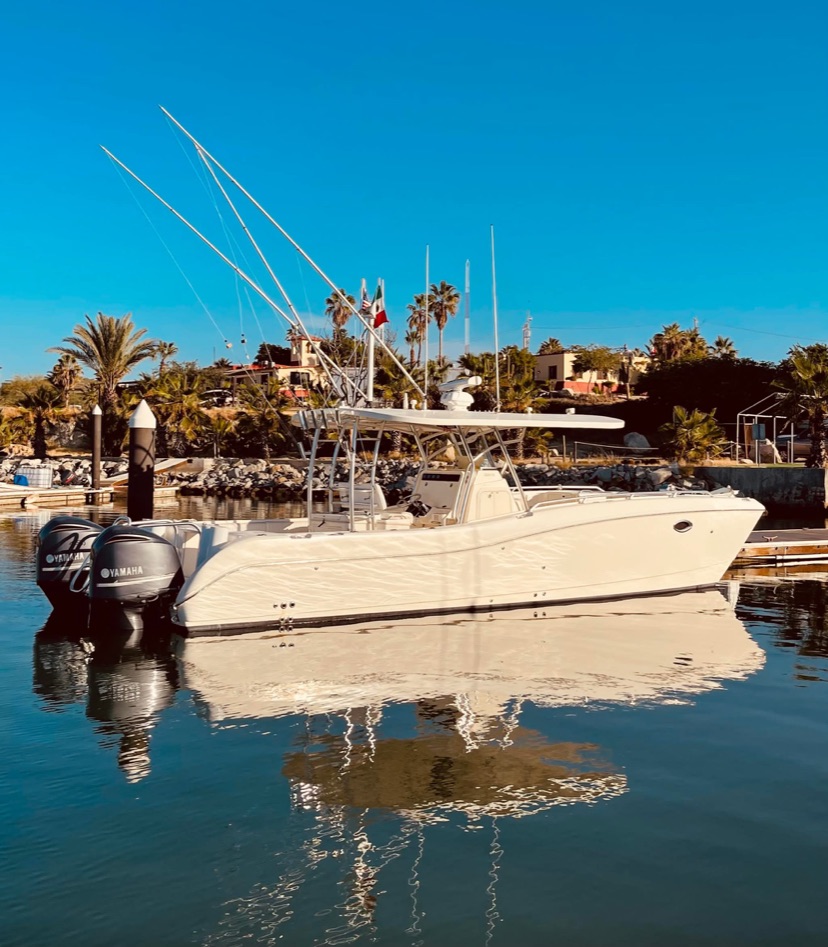
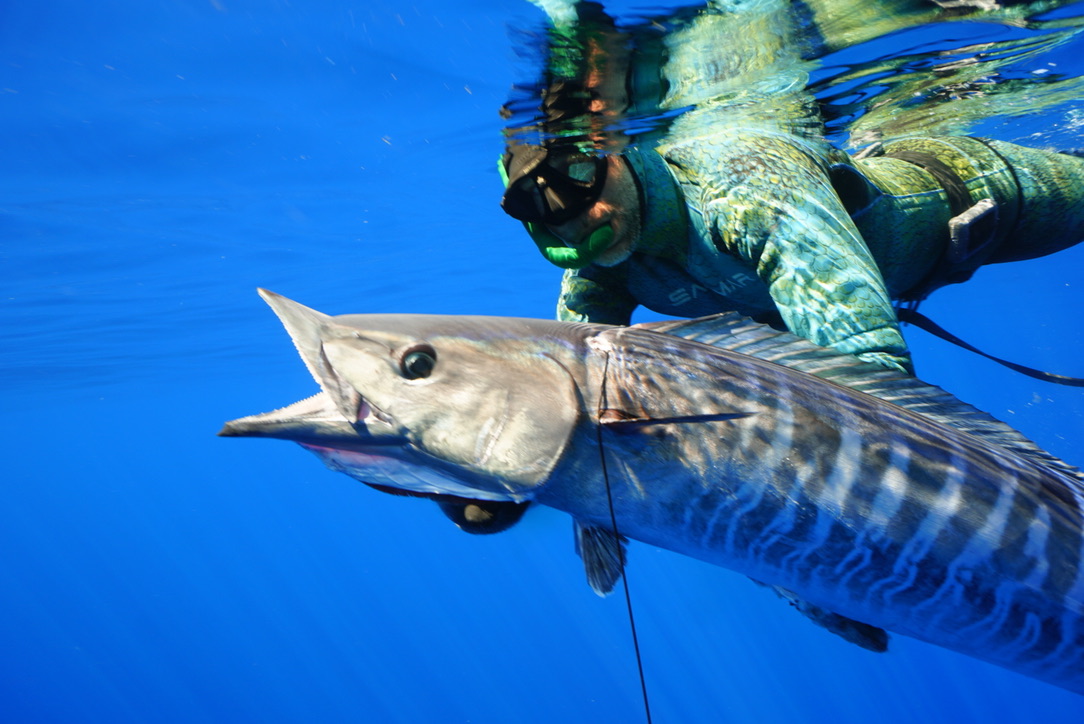
The short version of how a trip with Indigo Adventures works. Licences, deposits, boats and what happens to your catch. The full FAQ has the rest.
Read the full FAQ→Indigo Adventures is based in El Pescadero, on the Pacific side of Baja California Sur, a few minutes south of Todos Santos. Boats launch from three points: Punta Lobos beach in Todos Santos, San Jose del Cabo, and the Cabo San Lucas Marina. Which boat runs your trip decides where you meet us.
Custom fishing and spearfishing charters, freediving excursions, whale watching from mid December to April, and kayaking. Every trip is built around your group, your dates and the conditions rather than a fixed timetable, and almost every one goes out private.
Book online on the Book Now page, where availability is live and a 50 percent deposit holds the date. If you would rather we picked the trip, send an enquiry with who is coming, when you are here and what you want out of the day, and we will say which trip fits and which one does not.
No. Everyone fishing in Mexican waters needs a Mexican sportfishing licence, and each angler buys their own. We help you arrange it before the day so nobody is sorting paperwork on the dock. The same licence covers rod and spear.
Rarely. Almost every trip goes out as a private boat for you and your group. If a split makes sense for a small party we will say so when you enquire.
Three on the 24 foot Punta Lobos panga, up to four on La Ruca and La Morita, and up to six on Don Pancho and El Wahoo King. Whale watching numbers run a little higher because nobody is swinging a rod.
Yes. The catch goes home with you. Filleting at the dock, vacuum sealing and freezing are available, and most guests fly home with a cooler. Marlin are mostly released, with judgement on the day.
Yes, on fishing days. The crew rigs and handles the gear and hands you the rod when something eats. Guided spearfishing needs breath-hold experience and runs on a strict buddy system, which is the only legal way to spearfish in Mexico. Water, ice and snacks are normally aboard.