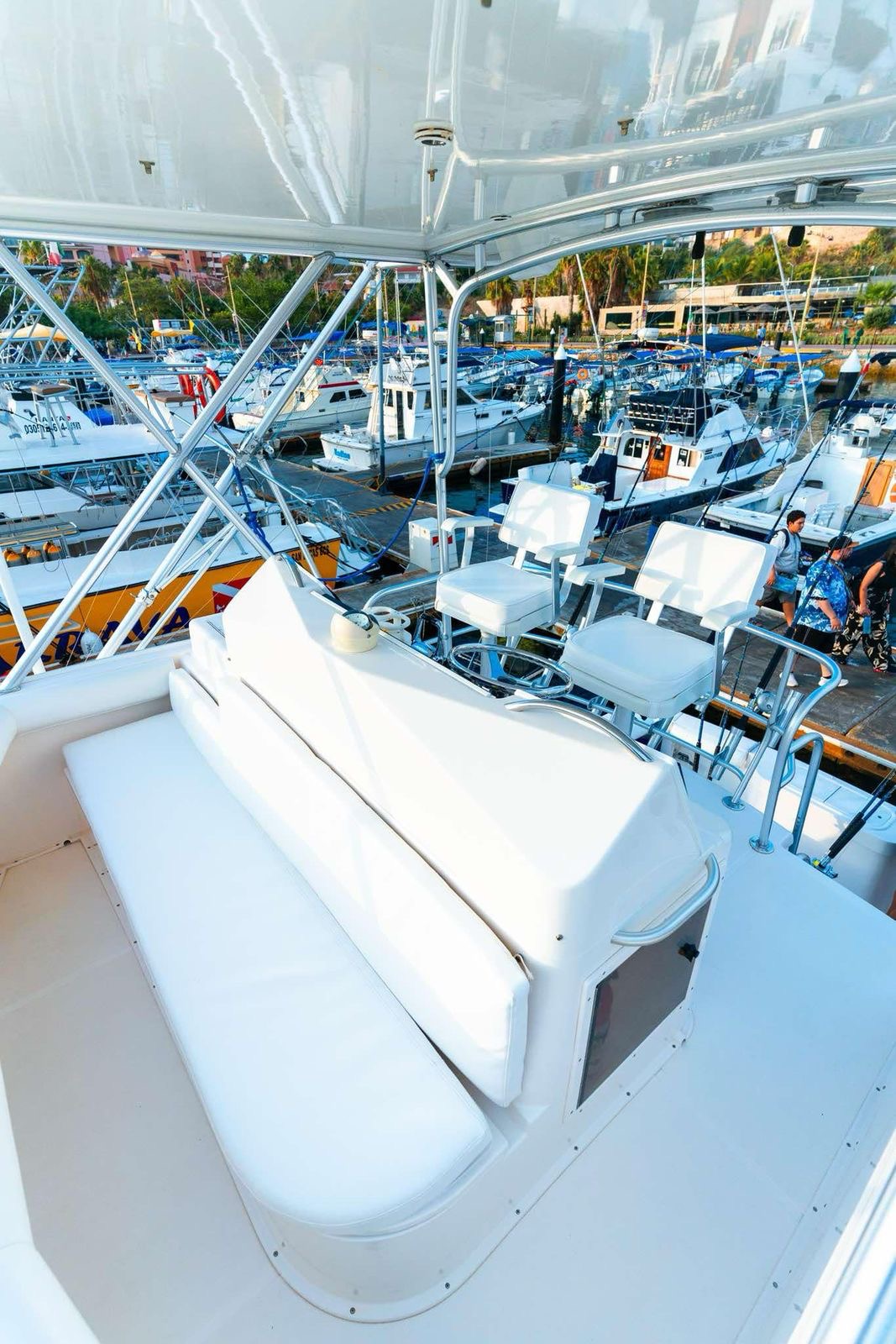
Live bait catches fish that will not touch a lure. It is slower, fussier work than trolling and it rewards anyone willing to pay attention. A bait swimming naturally with a hook hidden in it is the most convincing thing you can put in front of a marlin, a tuna or an amberjack. Here is how it works, from the bait tank to the bite.
A lure asks a fish to make a mistake. A live bait does not. It has the right shape, the right smell and the right movement, and it panics when a predator gets close, which is exactly the signal a marlin or a tuna is hunting for. On days when fish are up but refusing lures, and around bait balls where the fish are already feeding on the real thing, live bait is often the only way to get bitten.
The cost is speed. You cover much less water. A live bait day is about finding fish first and then feeding them, rather than searching with a spread.
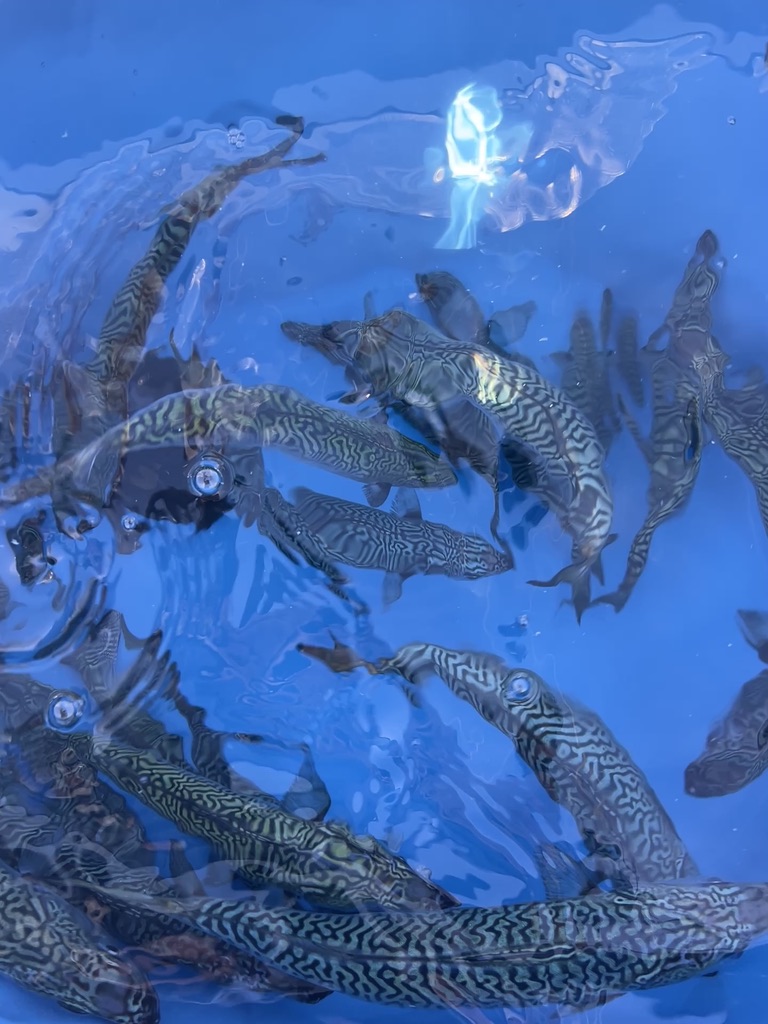
Around Cabo the common live baits are caballito, which is a bigeye scad, and mackerel, along with sardines and small skipjack when they are around. Bait is usually bought early from panga operators working the harbour, or caught on the way out with a sabiki rig, which is a string of small feathered hooks dropped into a bait school and jigged gently until fish load onto it.
Whether bait is included in a trip, how it is paid for, and roughly what a day of bait runs: to confirm.
Bait that is bruised, hot or short of oxygen does not swim, and a bait that does not swim does not get eaten. A live well needs constant water flow and it needs to be filled to the top, because the smaller the air gap the less the water sloshes and beats the bait against the walls.
Handle bait with wet hands or a soft net, and only for a second or two. The slime coat on a baitfish is its skin. Rub it off and the bait dies slowly over the next hour. Pick the strongest fish in the tank when you can. A frisky bait swims away from the boat and stays near the surface. A tired one hangs under the hull and gets picked off by whatever is following you.
Where the hook goes controls where the bait swims.
Most crews use circle hooks with live bait. A circle hook rotates and catches in the corner of the jaw rather than in the throat, which makes for a cleaner release and a hook that holds better through a long fight. Bridling, which means attaching the hook to the bait with a small loop of rigging floss instead of driving it through flesh, keeps the bait alive longer and leaves the hook point fully exposed.
A live bait is fished with as little hardware as the situation allows. Lighter leader, smaller hook, no swivel near the bait if you can avoid one. Fish see all of it. When fish are line shy, dropping leader size will do more for your bite count than anything else you can change.
Slow trolling means idling along, sometimes barely making steerage way, with two or three baits out at different distances. Drifting means shutting down over structure, a bait ball or a temperature break and letting the baits swim on their own. Sight casting means running up on a marlin finning on the surface, putting the boat ahead of it, and pitching a bait so it lands quietly and swims into the fish's path. Landing a bait on a marlin's head usually ends the encounter.
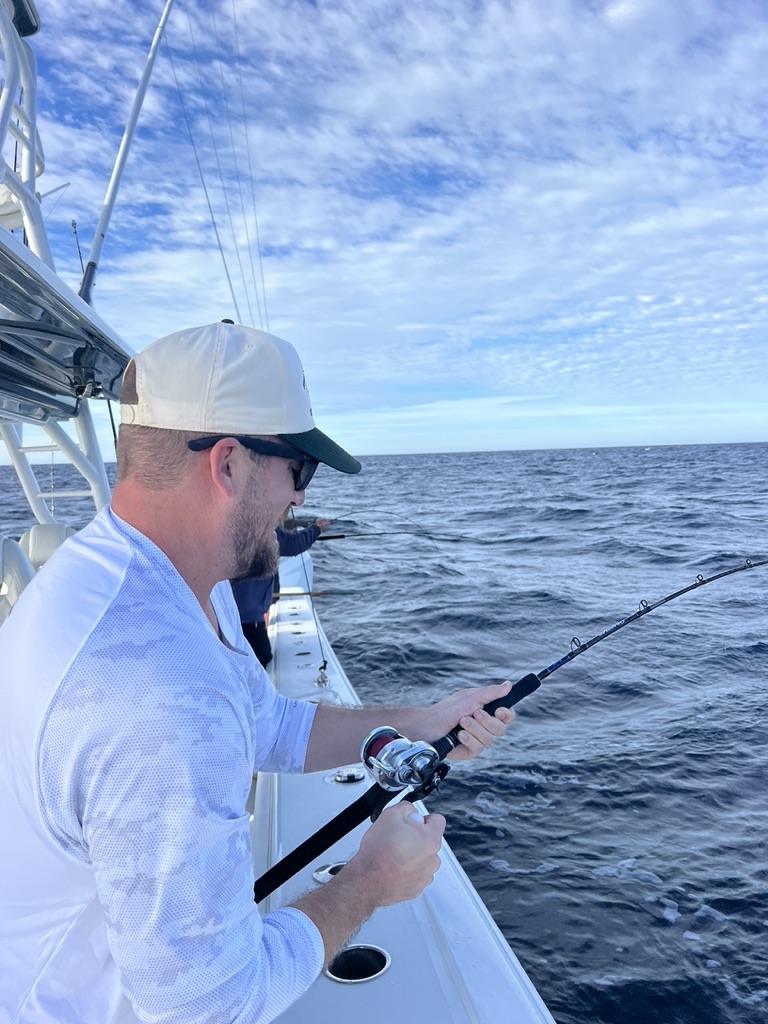
This is where most fish are lost. When the bait gets eaten, the reel is in free spool or very light drag and line starts leaving the spool. Do not touch the drag lever yet. Let the fish move off with the bait and turn. Count it out if that helps you stay patient.
Then push the drag up to the strike setting and wind. Keep winding. The rod loads by itself and the hook finds the jaw hinge. You never swing on a circle hook, and the urge to swing is strong, which is why this technique sits at intermediate rather than beginner.
How long you drop back depends on the fish and on how it ate. The deckhand watching the line will tell you when to come tight, and that call is worth trusting over instinct.
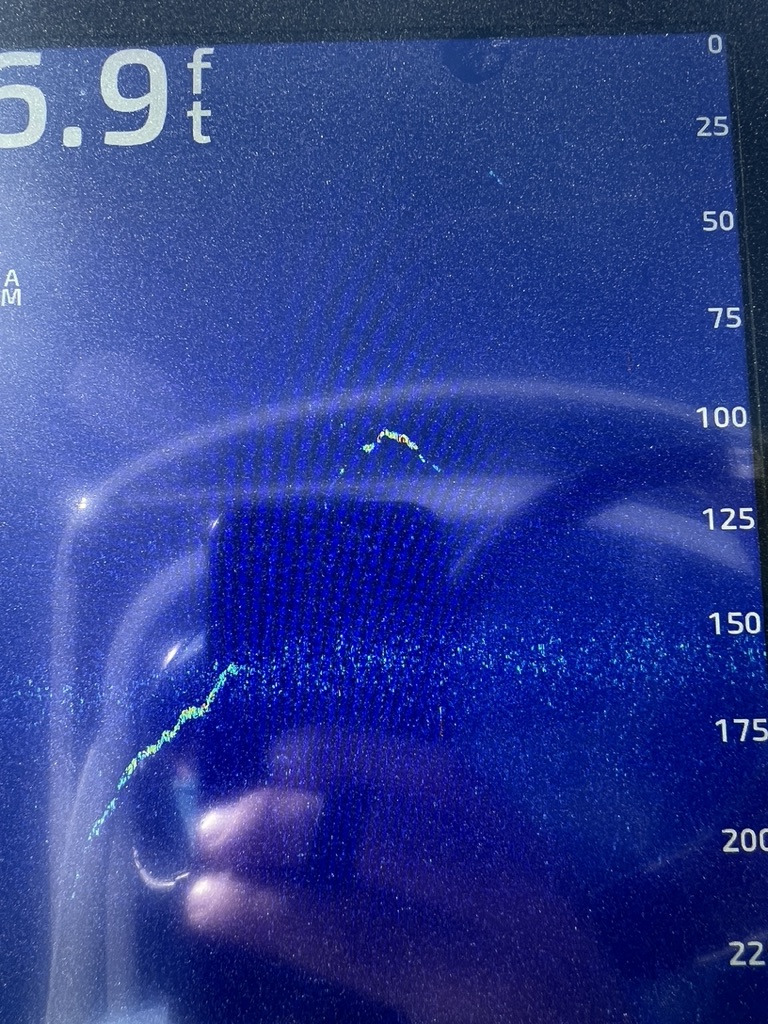
Live bait is usually mixed with other methods rather than run all day. A crew might troll to locate fish, then shut down and feed baits once something shows on the surface or on the sounder. Beginners are welcome on a bait day and rod and reel rental is available if you are not bringing your own. Whether a given trip is set up for live bait, the specific tackle carried, and how the day is normally structured: to confirm.
The short version of how a trip with Indigo Adventures works. Licences, deposits, boats and what happens to your catch. The full FAQ has the rest.
Read the full FAQ→Indigo Adventures is based in El Pescadero, on the Pacific side of Baja California Sur, a few minutes south of Todos Santos. Boats launch from three points: Punta Lobos beach in Todos Santos, San Jose del Cabo, and the Cabo San Lucas Marina. Which boat runs your trip decides where you meet us.
Custom fishing and spearfishing charters, freediving excursions, whale watching from mid December to April, and kayaking. Every trip is built around your group, your dates and the conditions rather than a fixed timetable, and almost every one goes out private.
Book online on the Book Now page, where availability is live and a 50 percent deposit holds the date. If you would rather we picked the trip, send an enquiry with who is coming, when you are here and what you want out of the day, and we will say which trip fits and which one does not.
No. Everyone fishing in Mexican waters needs a Mexican sportfishing licence, and each angler buys their own. We help you arrange it before the day so nobody is sorting paperwork on the dock. The same licence covers rod and spear.
Rarely. Almost every trip goes out as a private boat for you and your group. If a split makes sense for a small party we will say so when you enquire.
Three on the 24 foot Punta Lobos panga, up to four on La Ruca and La Morita, and up to six on Don Pancho and El Wahoo King. Whale watching numbers run a little higher because nobody is swinging a rod.
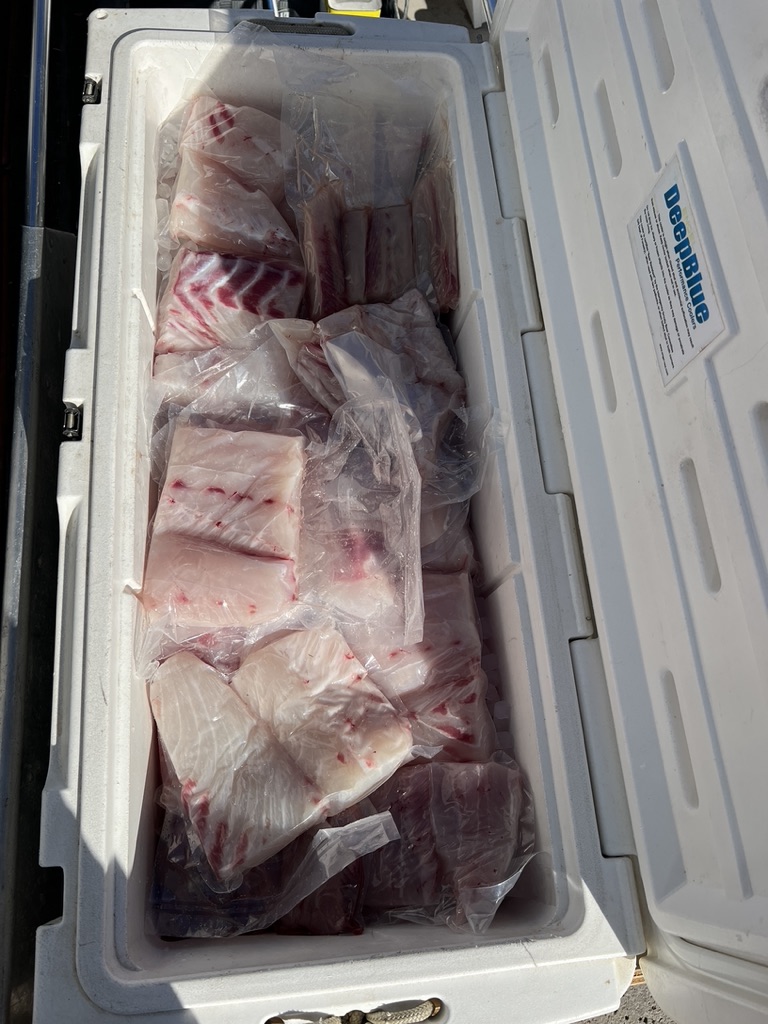
Yes. The catch goes home with you. Filleting at the dock, vacuum sealing and freezing are available, and most guests fly home with a cooler. Marlin are mostly released, with judgement on the day.
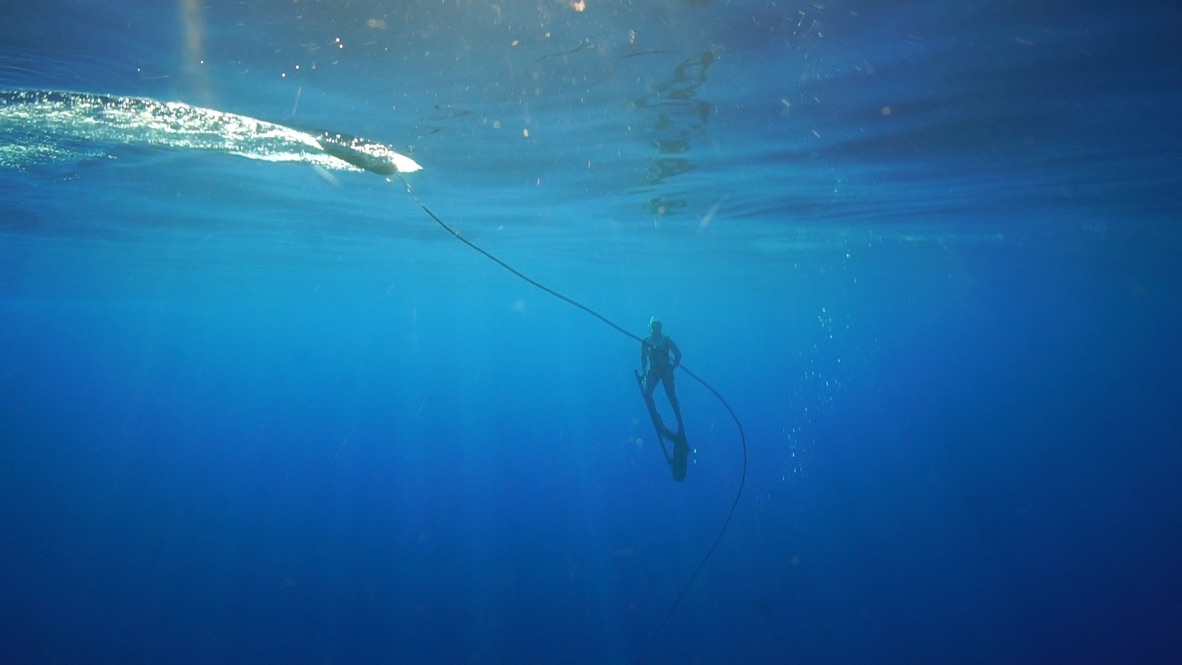
Yes, on fishing days. The crew rigs and handles the gear and hands you the rod when something eats. Guided spearfishing needs breath-hold experience and runs on a strict buddy system, which is the only legal way to spearfish in Mexico. Water, ice and snacks are normally aboard.