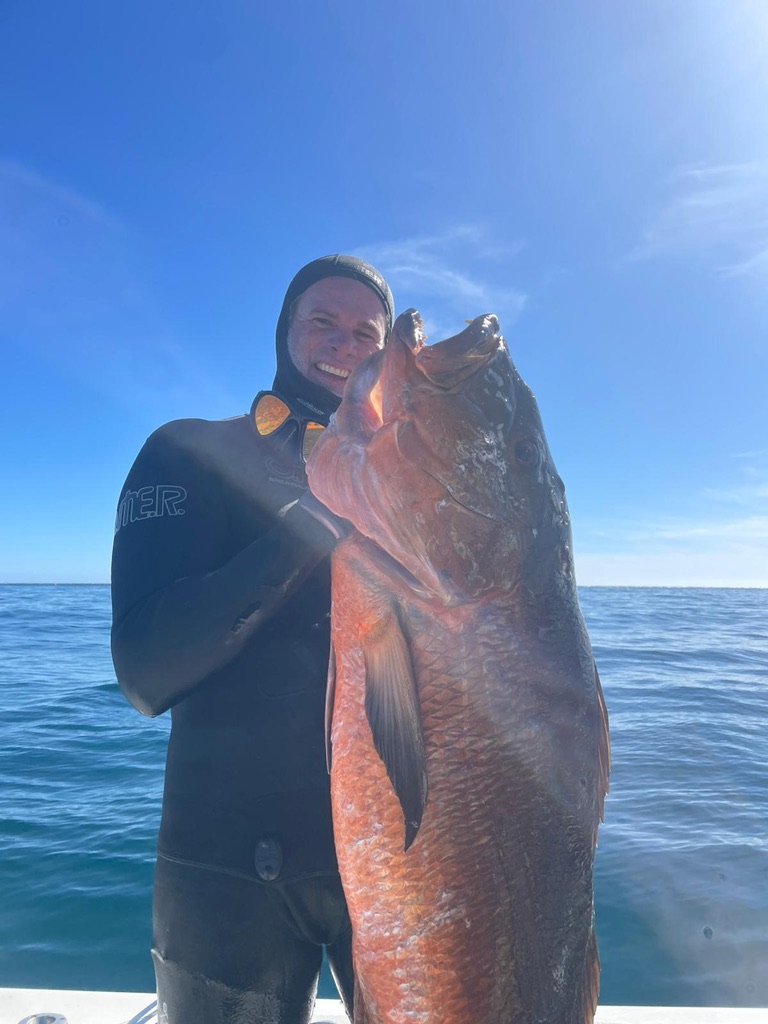
The cubera is the heavyweight of the inshore rocks. It sits in the structure, comes out to eat, and goes straight back in with your bait. The first run decides the whole thing. Get through ten seconds and you have a chance. Lose those ten seconds and you are retying.
Most people picture a snapper as a bottom fish you crank up slowly. A big cubera is nothing like that. It is thick across the shoulders, it lives in caves and ledges along the rocky coast, and it hits a bait with real violence. The teeth are obvious the moment you see one at the side of the boat.
Cubera are the largest of the snappers in this part of the eastern Pacific. Most of what we land runs fifteen to forty pounds. Fish considerably bigger than that live along this coast, and we hook a few every year that never come off the rocks.
Everything about fishing for cubera is built around the first run. The fish takes the bait a few feet off the structure and turns immediately for the hole it came from. It knows exactly where the hole is. You do not.
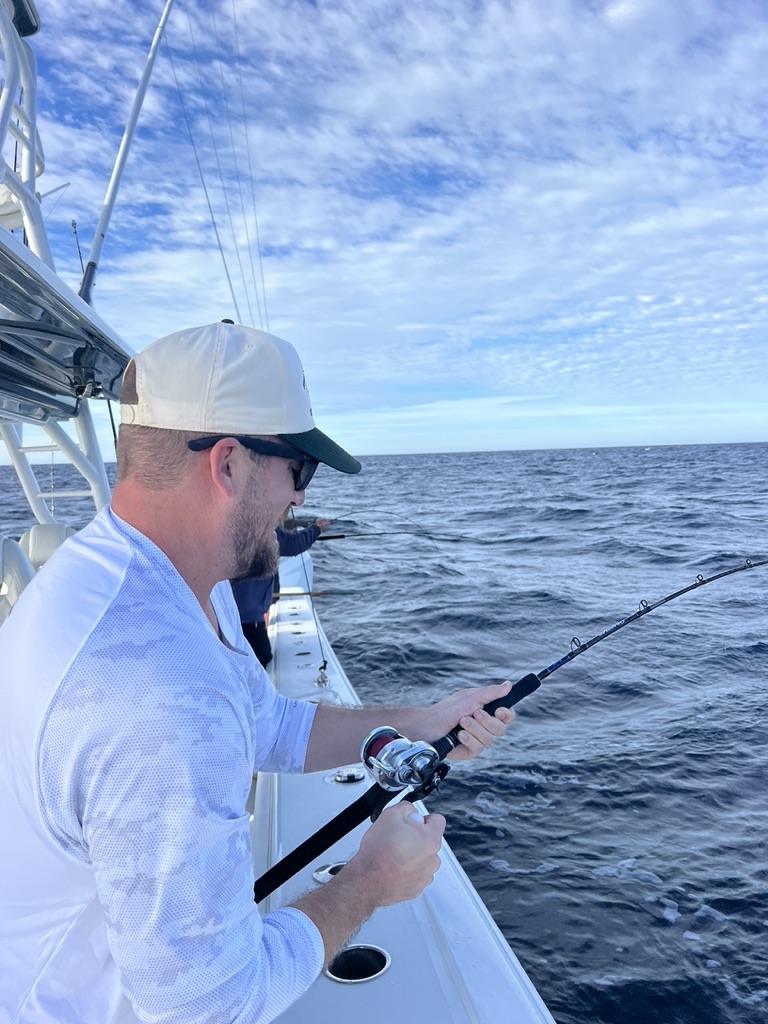
So we fish tight drags and heavy leader and we ask the angler to lock up and lean the moment the rod loads. That feels wrong to anyone used to letting a fish run. Here, line given away is line the fish uses to cut you off on rock. If you get its head turned in the first seconds, the rest of the fight is heavy but winnable.
The warm months are the time to plan around. Generally from late spring into the fall in this region, with the best of it through the hottest water. They are here through the winter as well, but they feed less freely and we spend more of the day for fewer bites.
Low light helps. Early morning, late afternoon, and the change of tide over a good piece of ground are all better than flat midday sun. A moving current is worth more than a slack one.
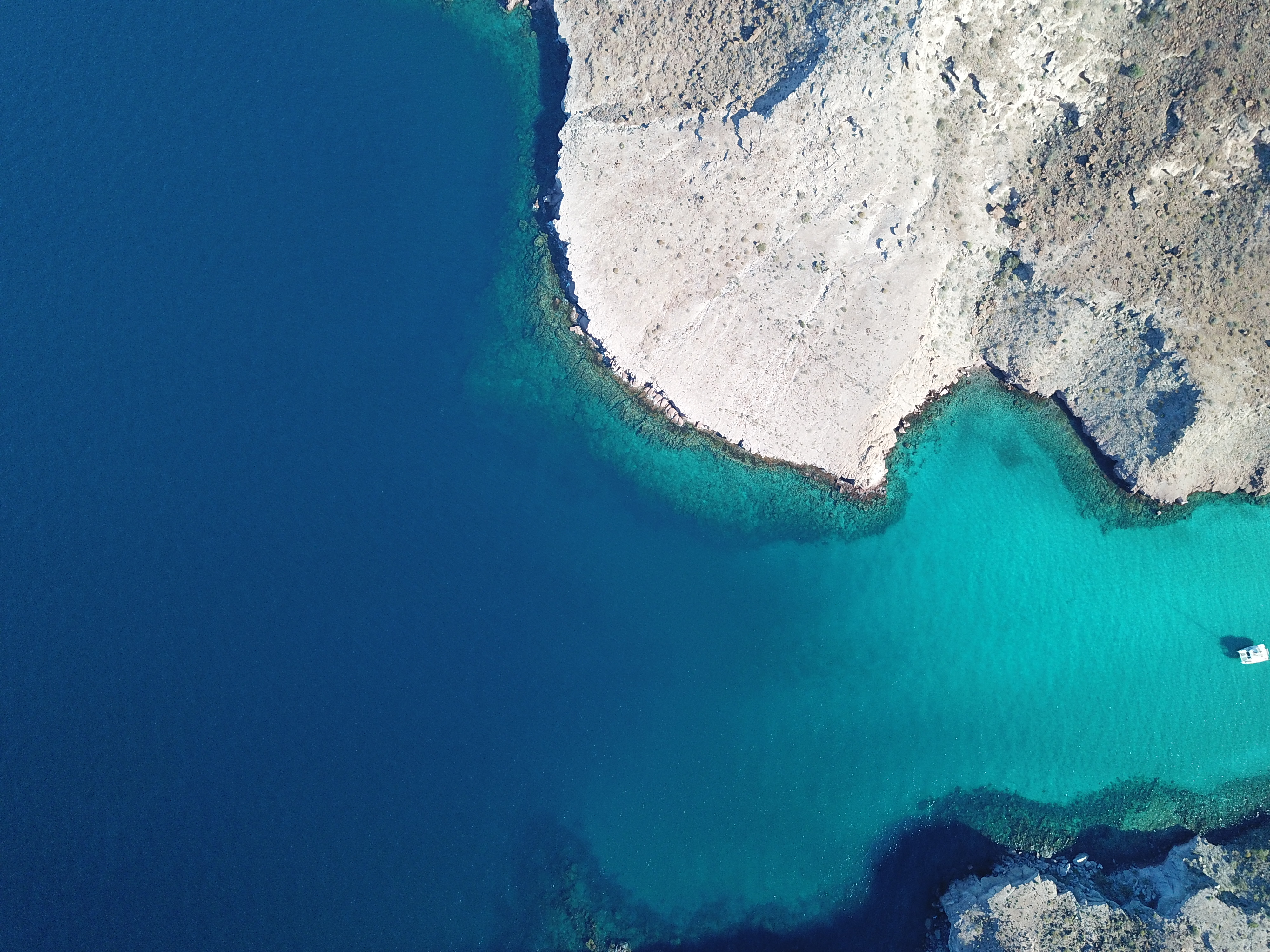
Rock. Broken bottom, boulder fields, ledges and pinnacles, usually close to shore, sometimes in surprisingly shallow water. We work the same handful of places along both coasts because cubera hold on specific structure rather than roaming.
Approach matters. We set up so the boat is uptide of the rock and the bait swims naturally back toward it, and we keep the engines quiet. These are wary fish in clear water. A sloppy drift over the top of them costs the whole spot for an hour.
Heavy spinning or conventional gear, eighty pound class braid, and a heavy fluorocarbon leader. Live bait is the first choice. Small jacks, mullet, ladyfish, anything the reef is already eating.
The leader takes a beating whether or not you land the fish. We check it after every bite and cut it back without discussion.
Cubera are very good on the table. Firm white fillets, mild, and they hold up to whatever you do with them. Grilled whole over coals is the way the fish is usually treated locally, and it is hard to improve on.
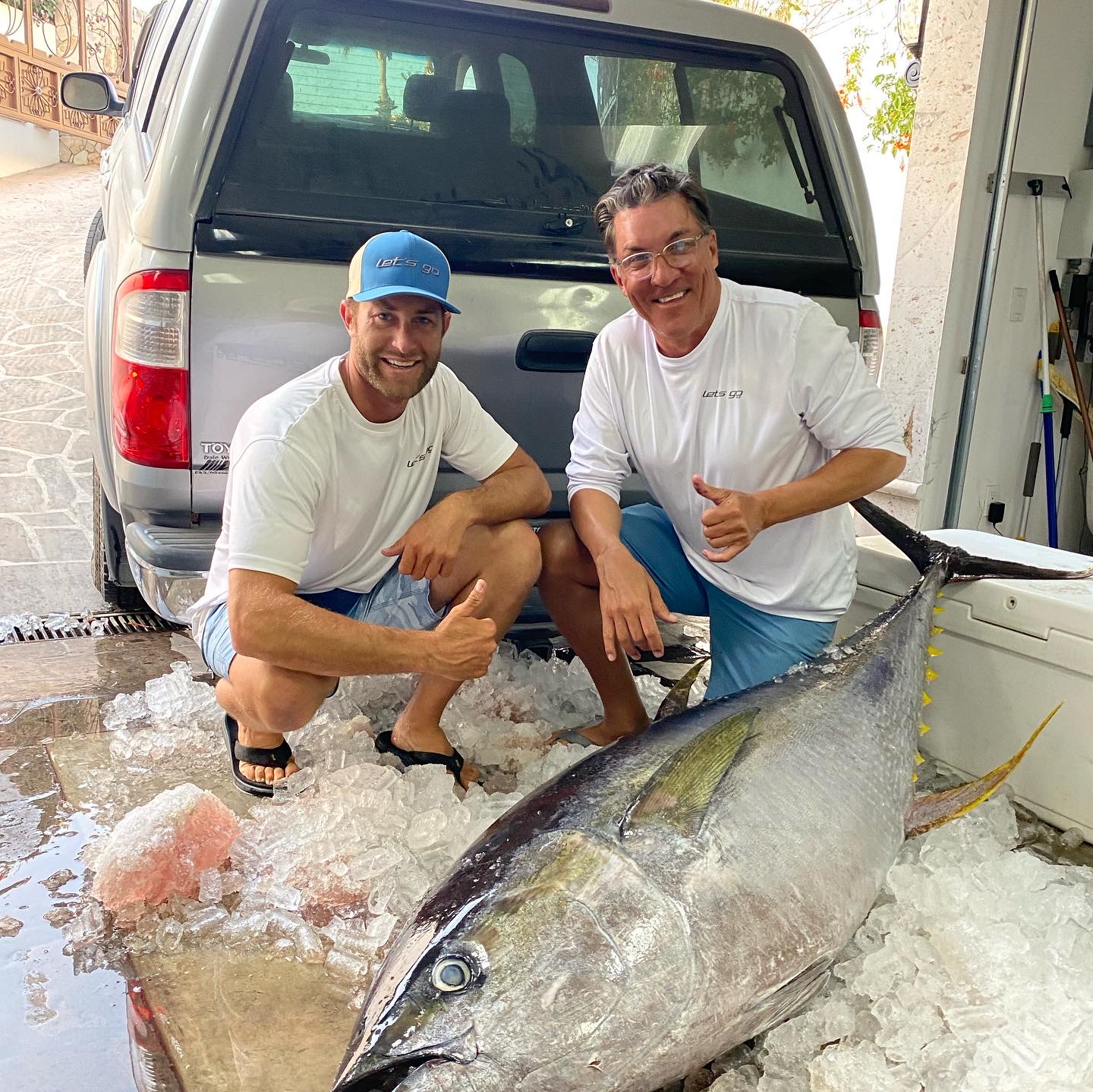
We do keep cubera. We also do not keep every one. The largest fish are old, they are the ones producing the most eggs, and a small handful of them hold down a particular piece of rock. On the biggest fish we take the photo, cut the leader short and put it back, and take a mid-sized one home instead.
What you keep is yours to take home. We fillet it properly at the marina, and we can vacuum seal and freeze it if you are travelling with it. Pricing and turnaround are still being confirmed.
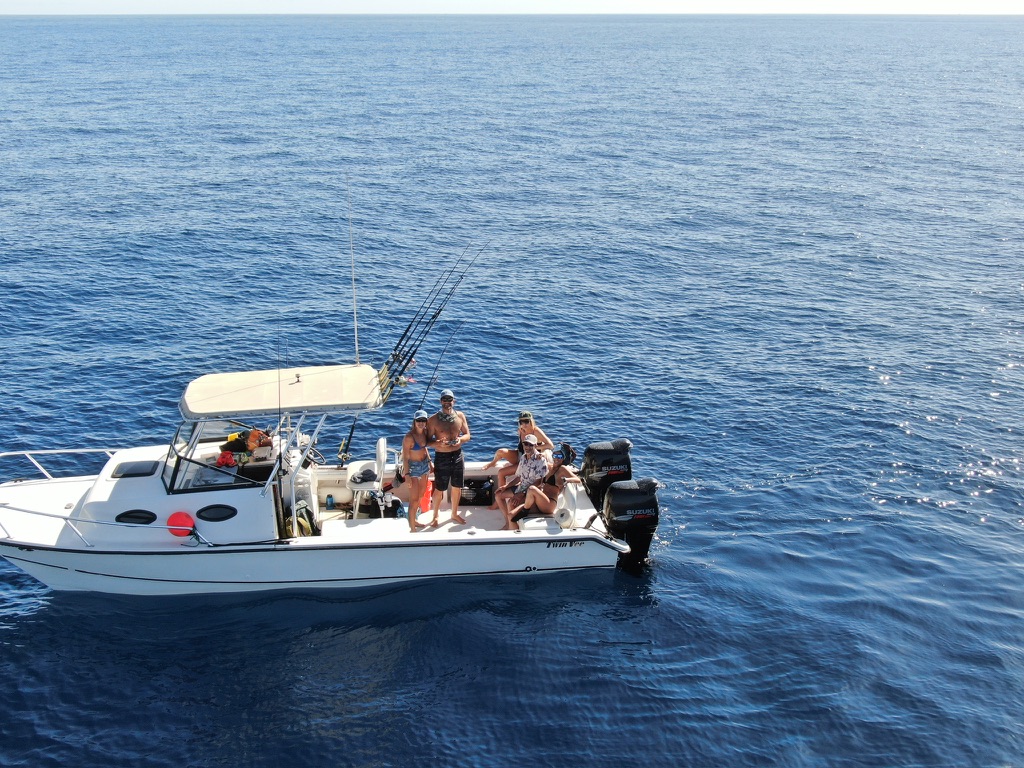
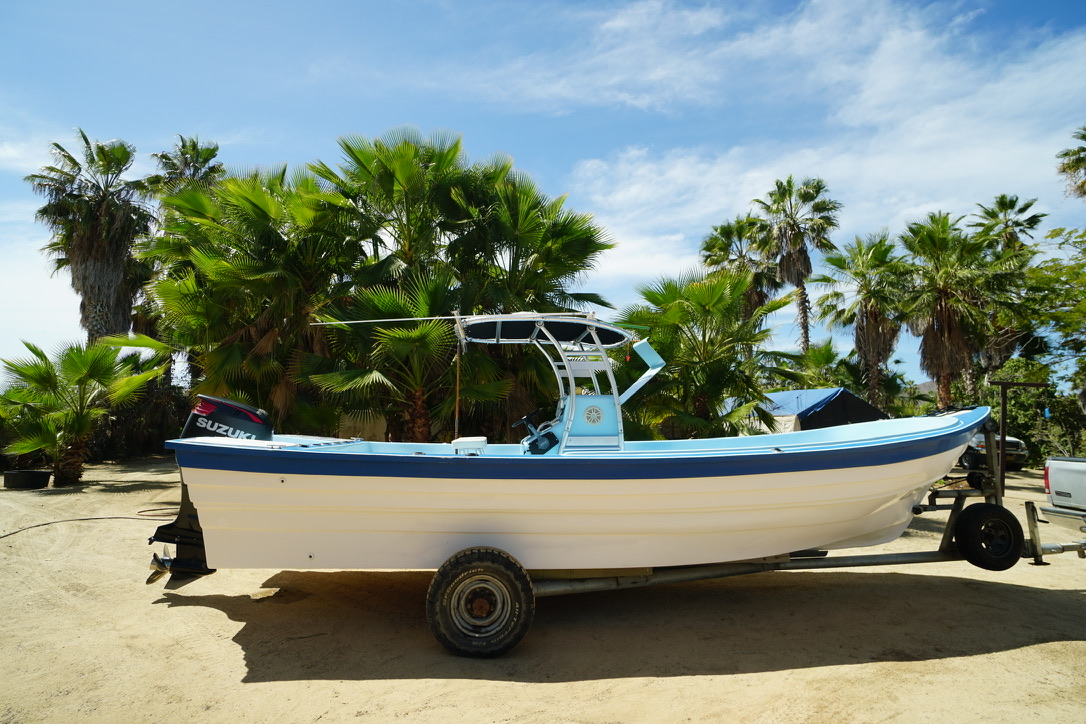
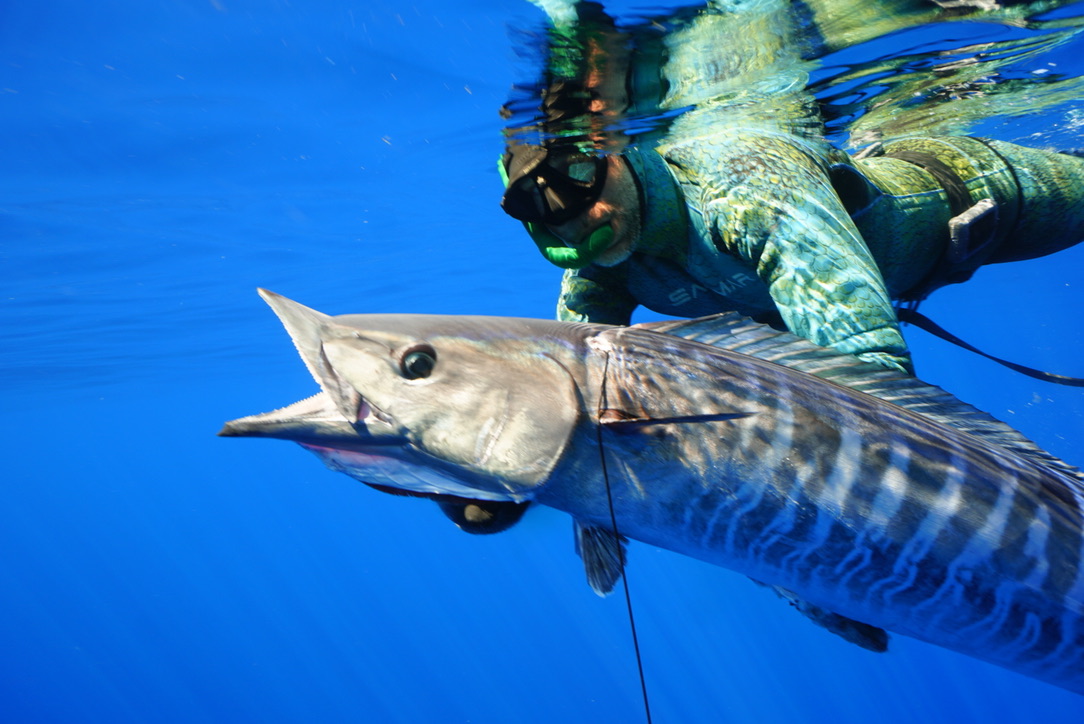
The short version of how a trip with Indigo Adventures works. Licences, deposits, boats and what happens to your catch. The full FAQ has the rest.
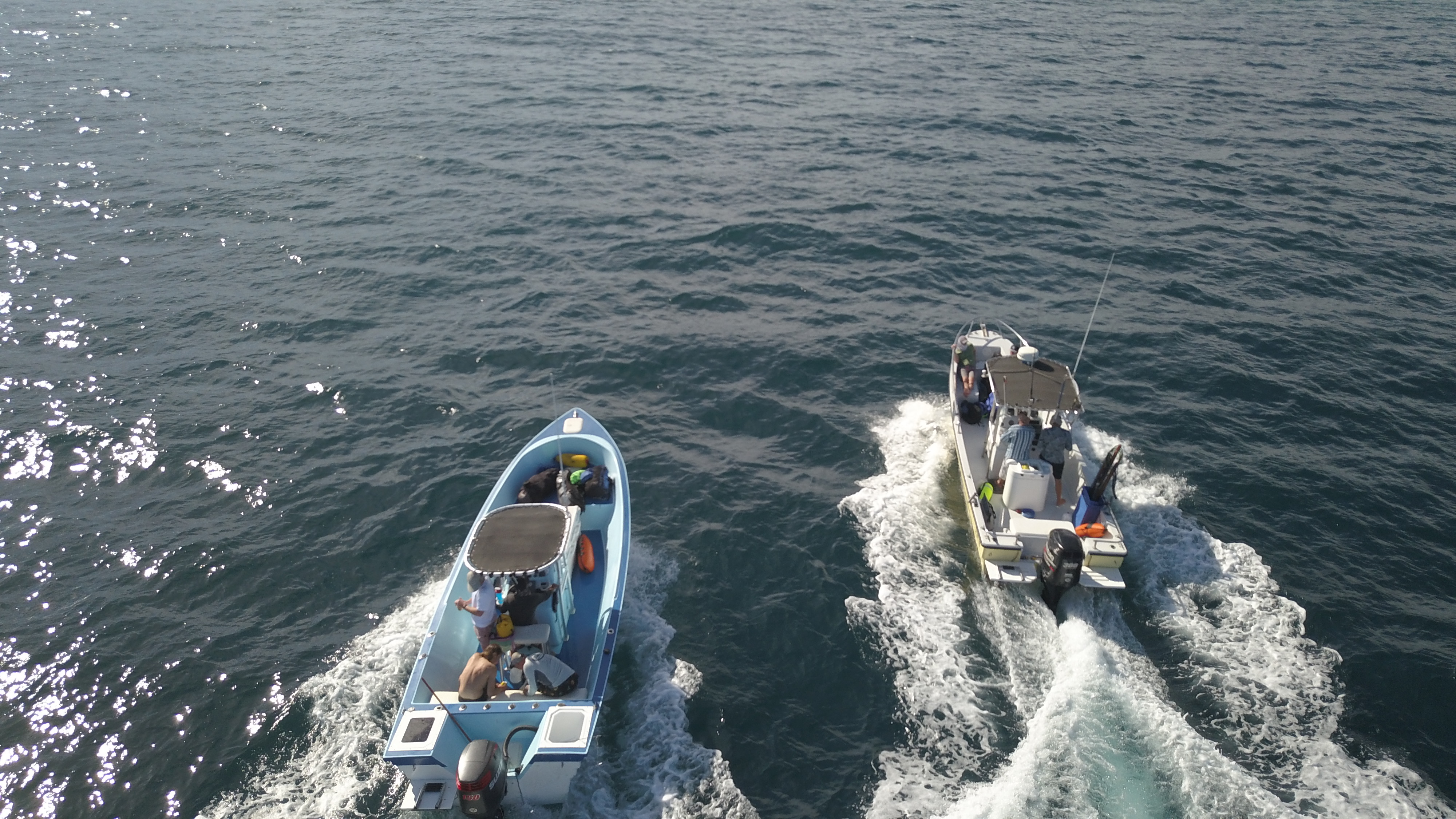
Read the full FAQ→Indigo Adventures is based in El Pescadero, on the Pacific side of Baja California Sur, a few minutes south of Todos Santos. Boats launch from three points: Punta Lobos beach in Todos Santos, San Jose del Cabo, and the Cabo San Lucas Marina. Which boat runs your trip decides where you meet us.
Custom fishing and spearfishing charters, freediving excursions, whale watching from mid December to April, and kayaking. Every trip is built around your group, your dates and the conditions rather than a fixed timetable, and almost every one goes out private.
Book online on the Book Now page, where availability is live and a 50 percent deposit holds the date. If you would rather we picked the trip, send an enquiry with who is coming, when you are here and what you want out of the day, and we will say which trip fits and which one does not.
No. Everyone fishing in Mexican waters needs a Mexican sportfishing licence, and each angler buys their own. We help you arrange it before the day so nobody is sorting paperwork on the dock. The same licence covers rod and spear.
Rarely. Almost every trip goes out as a private boat for you and your group. If a split makes sense for a small party we will say so when you enquire.
Three on the 24 foot Punta Lobos panga, up to four on La Ruca and La Morita, and up to six on Don Pancho and El Wahoo King. Whale watching numbers run a little higher because nobody is swinging a rod.
Yes. The catch goes home with you. Filleting at the dock, vacuum sealing and freezing are available, and most guests fly home with a cooler. Marlin are mostly released, with judgement on the day.
Yes, on fishing days. The crew rigs and handles the gear and hands you the rod when something eats. Guided spearfishing needs breath-hold experience and runs on a strict buddy system, which is the only legal way to spearfish in Mexico. Water, ice and snacks are normally aboard.