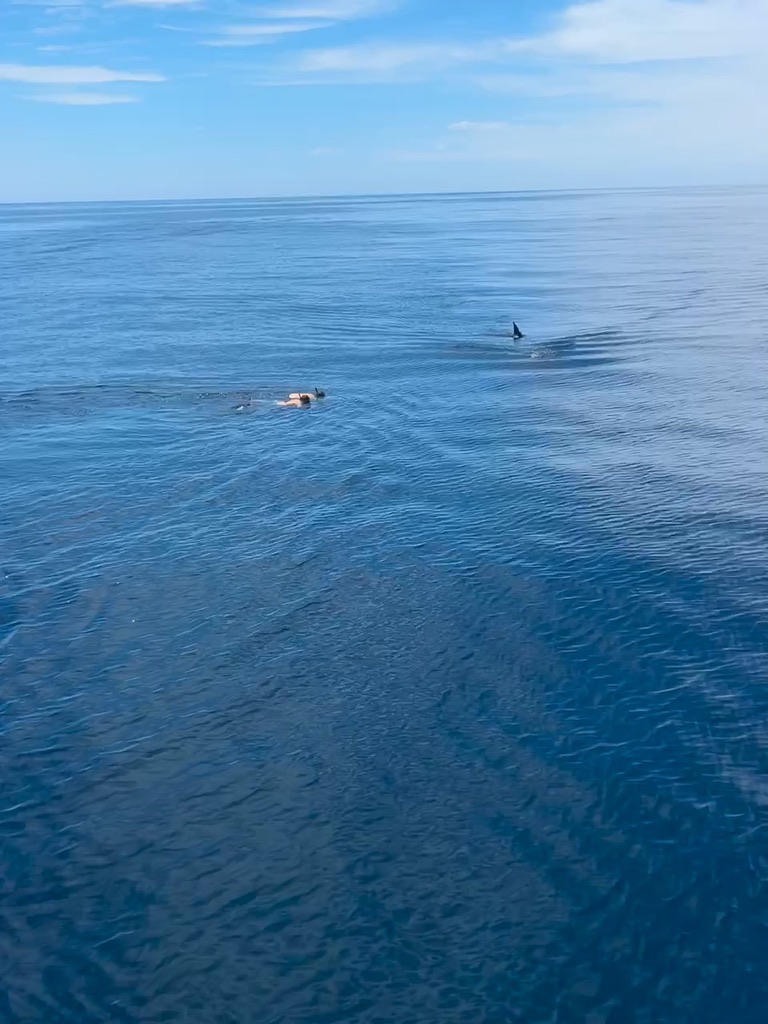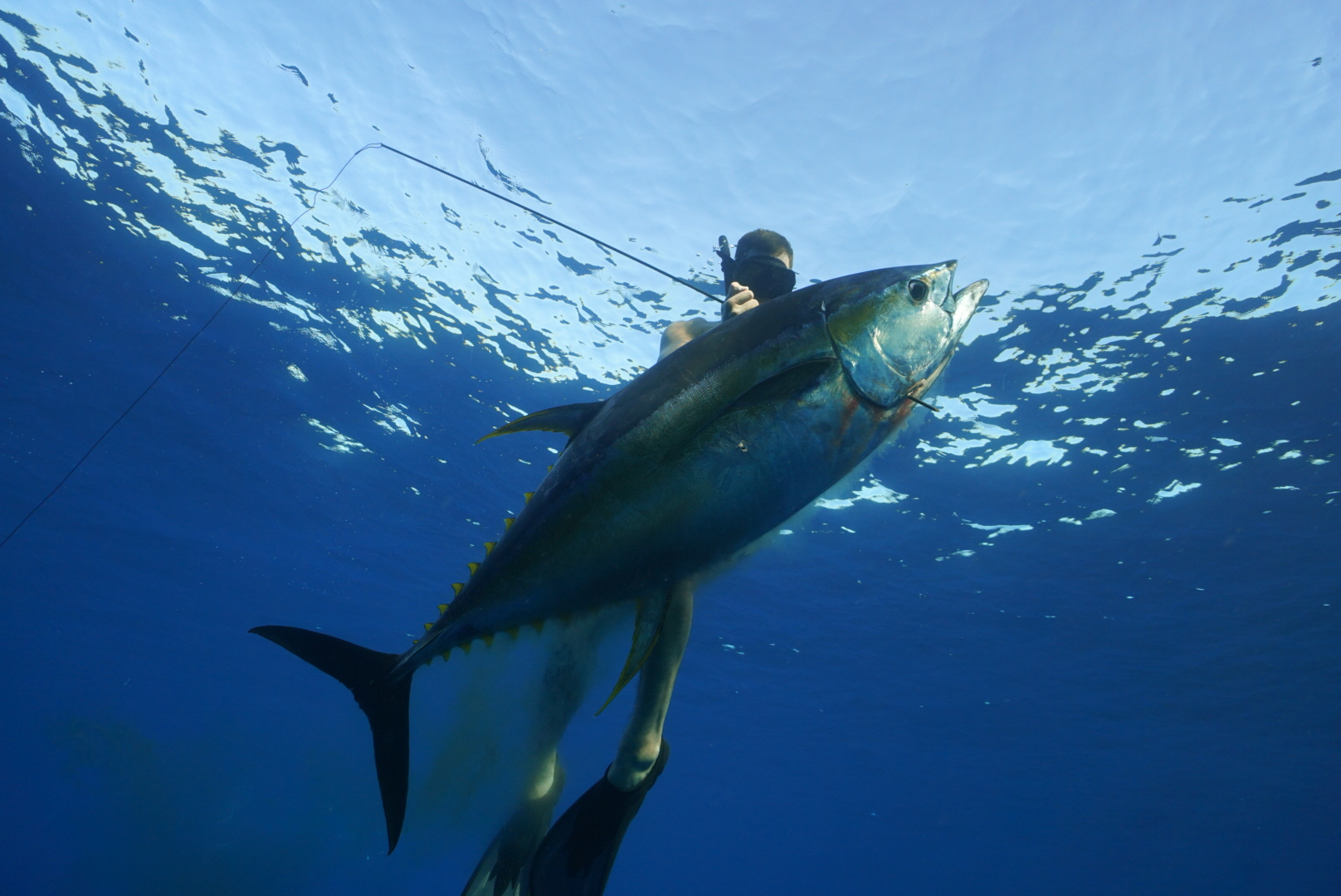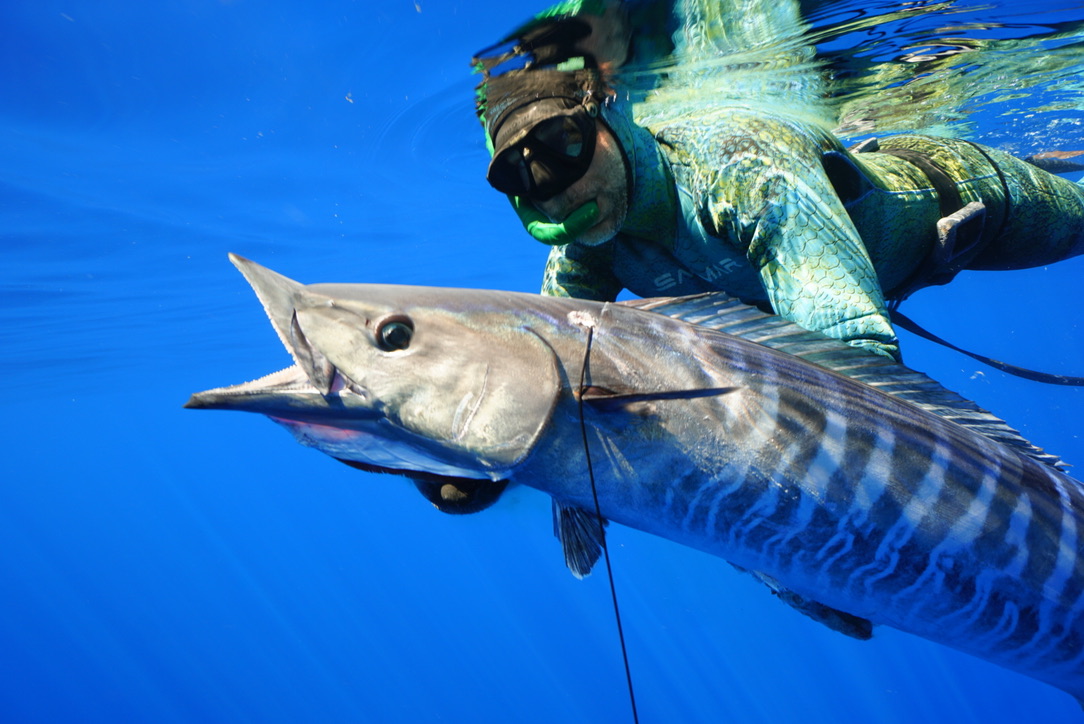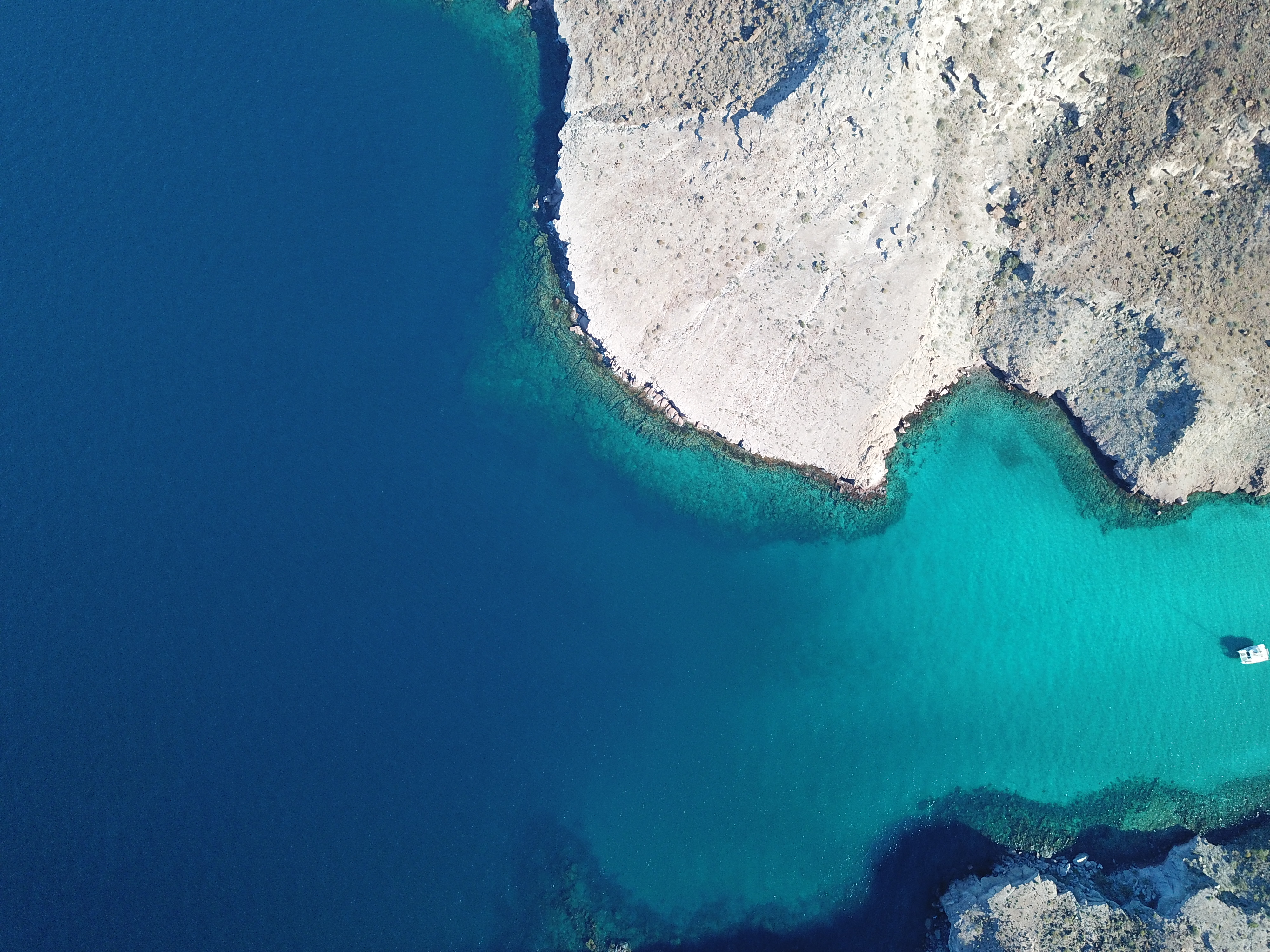
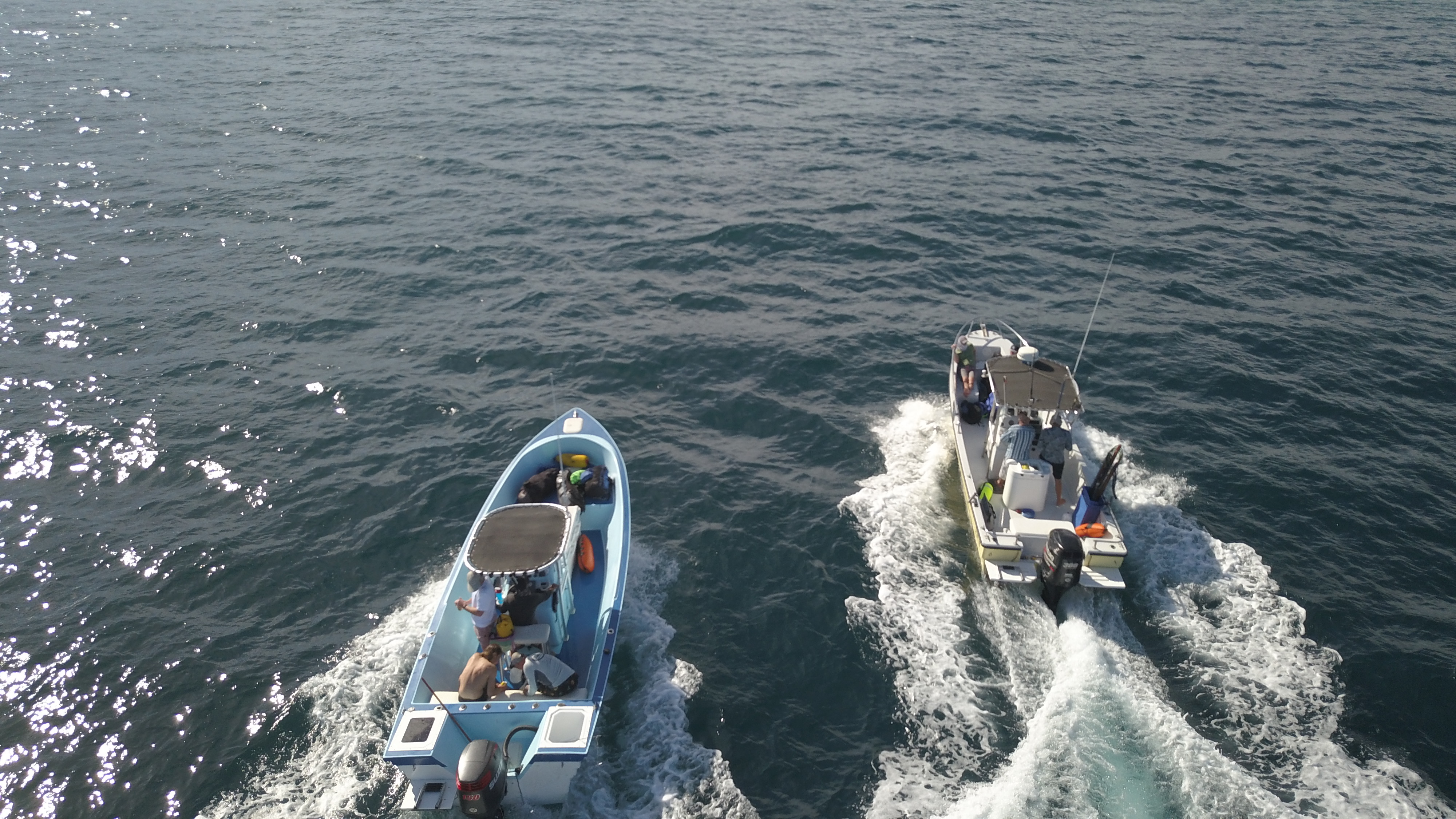
Blue marlin are a summer and fall fish here, and they are a different animal from the striped marlin most people come for. Bigger, heavier, and capable of emptying a reel before you have your feet set. If you want a shot at a fish that outweighs you several times over, this is the season and this is the target.
People sometimes book a marlin trip without knowing there is more than one kind of marlin out here. There is, and the difference matters.
A striped marlin is a fish you can plan on. A blue marlin is a fish you go looking for. They are less numerous, they range further, and when you find one the fight is on another level. A stripey jumps and dances. A blue leaves.
Most blues we see run in the couple hundred pound range. The water off this cape has produced considerably larger, and every season somebody gets into one that changes their year.
Blue marlin follow warm water. They show up as the water heats through early summer, and the strongest stretch runs roughly June into November, peaking through the late summer and early fall.
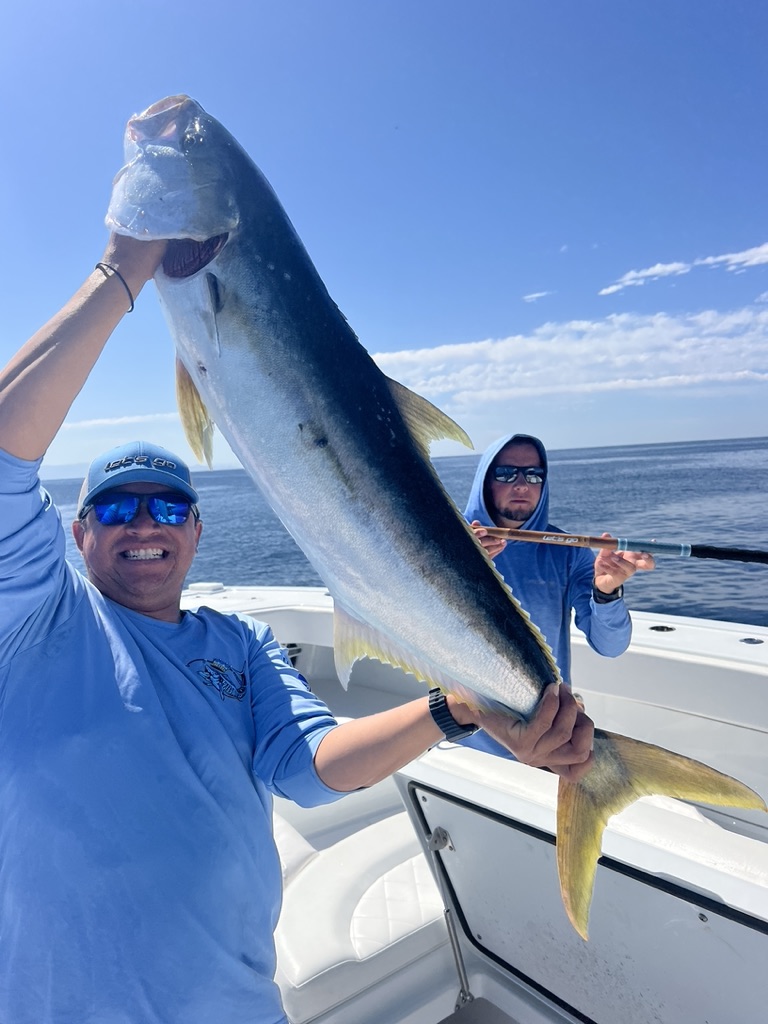
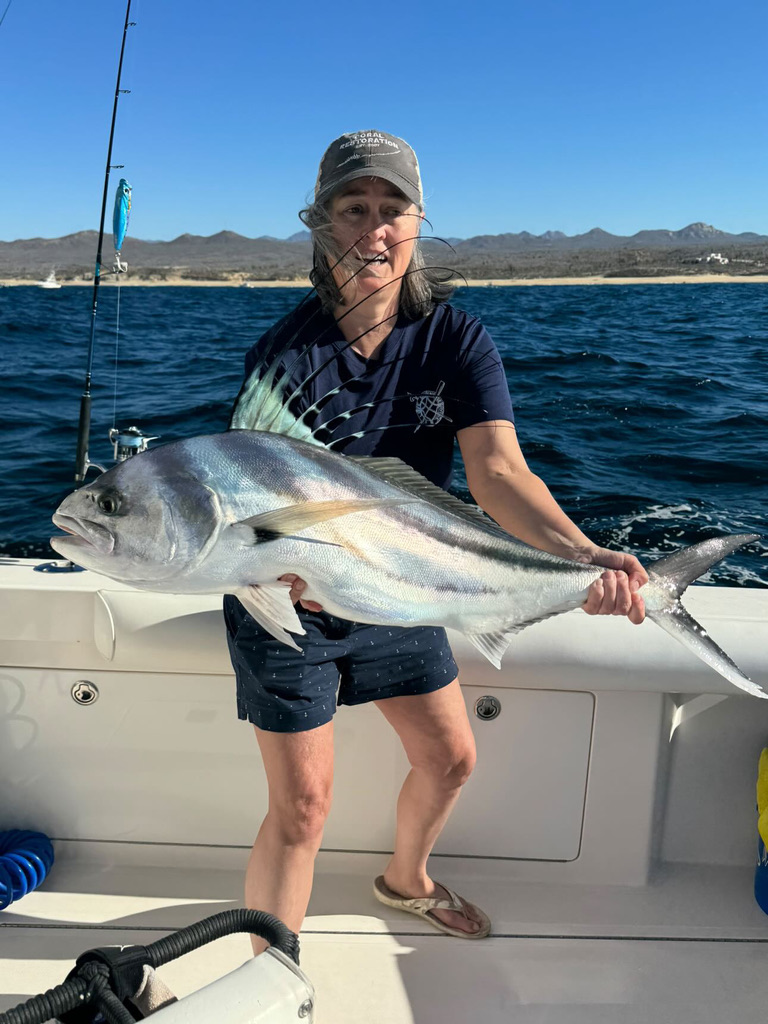
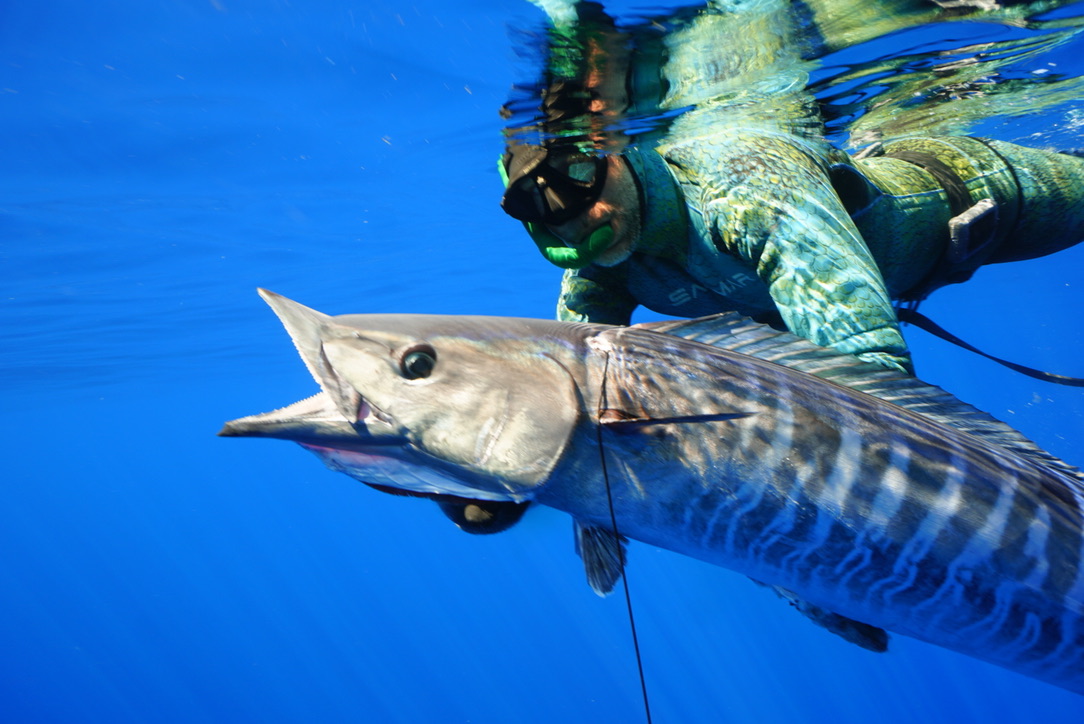
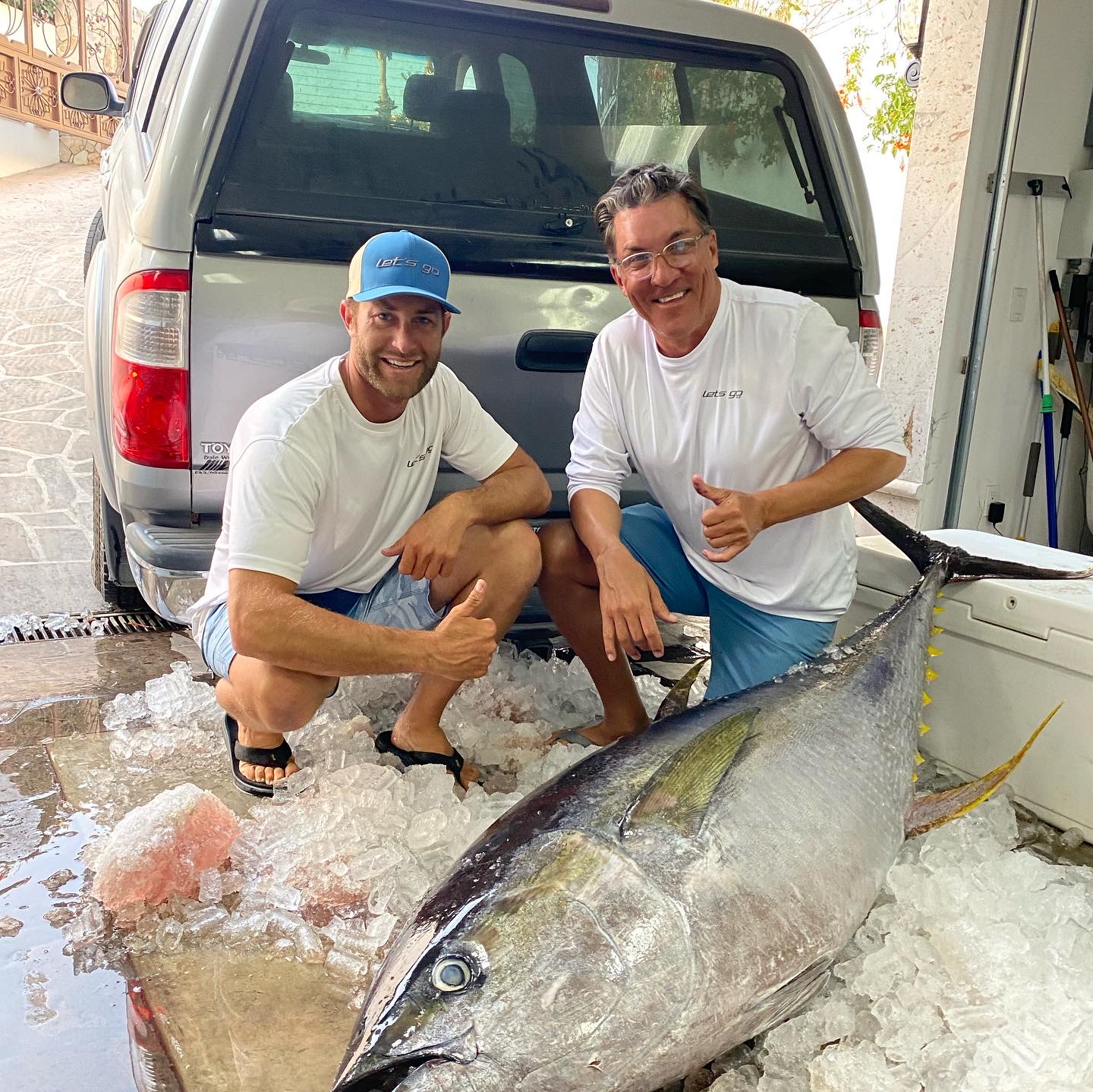
That same window is when the water is at its warmest and bluest, and when dorado, sailfish, and yellowfin are also around. It makes for a good offshore mixed bag, but if blue marlin is the goal you should say so, because we fish differently for them.
Note that this window overlaps hurricane season. Weather can and does cancel days from summer into fall. We do not run when it is not safe to run, and we will tell you early rather than at the dock.
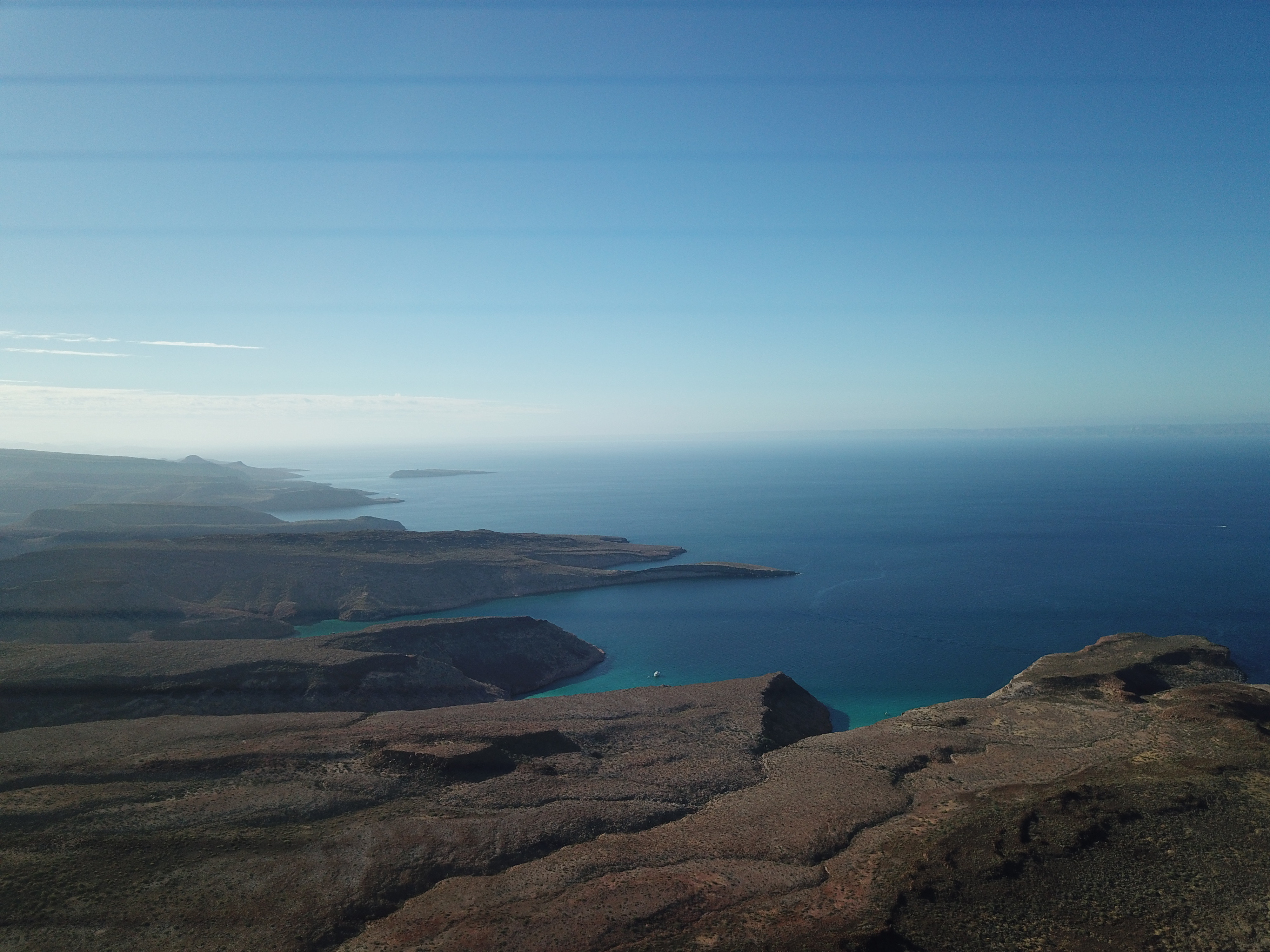
Blue marlin are a blue water fish, which sounds obvious but drives everything. We are looking for temperature breaks, current edges, clean water, and bait. That can put us on the banks or it can put us well beyond them.
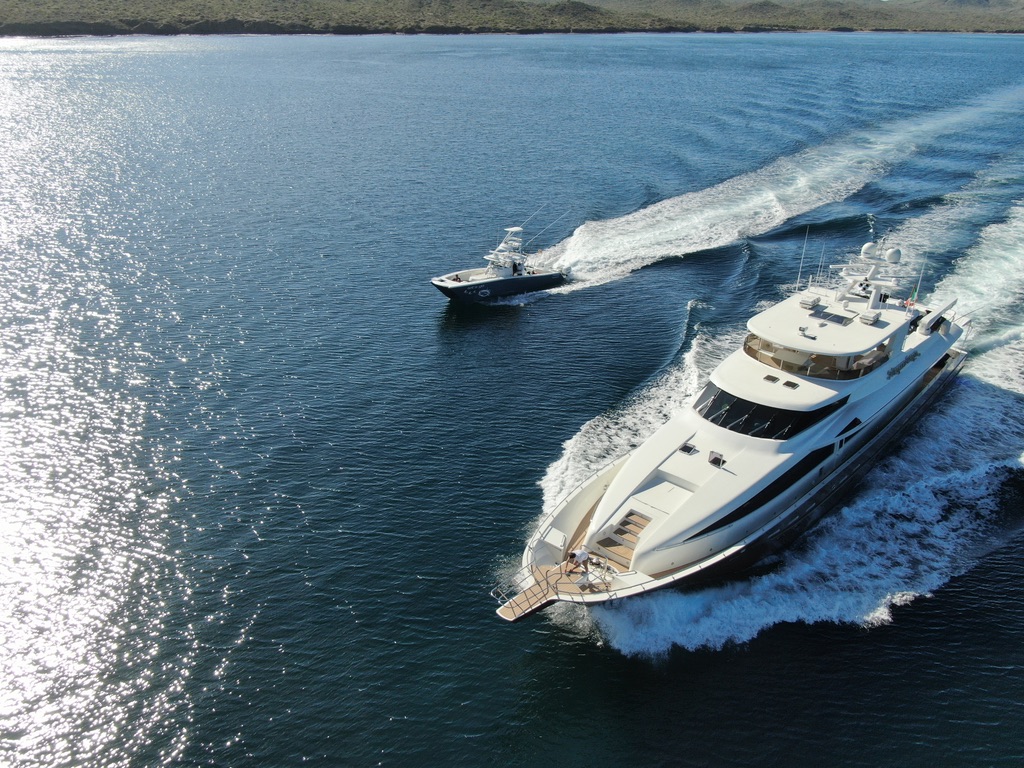
Blue marlin trips are long runs. If you want to fish blues properly you need a full day at minimum, and a multi day offshore trip opens up water we simply cannot reach and return from between dawn and dusk. That is where the biggest fish tend to be.
Trolling, and trolling big. Large lures pulled at speed, run on heavy tackle, covering as much productive water as we can. Sometimes we pull rigged natural bait instead, depending on conditions and what has been working.
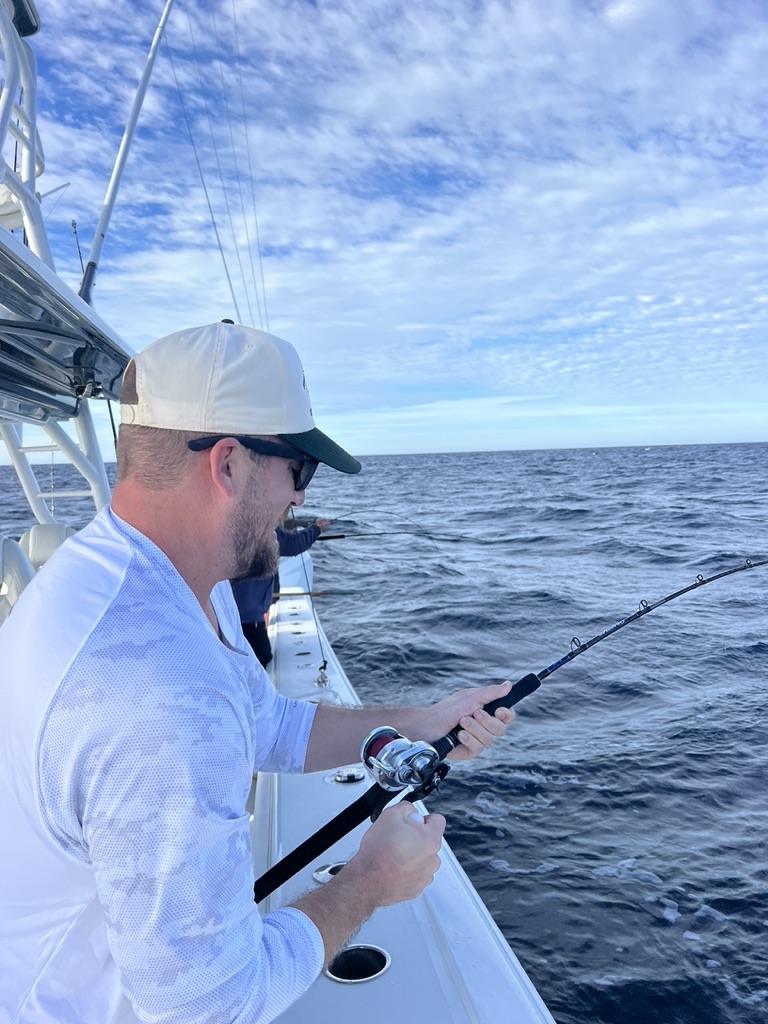
The strike is not subtle. A blue marlin coming into the spread is one of the loudest things that happens on a boat, and the first run is where fish are lost. We keep the drag where it needs to be and we will move the boat with the fish. Your job is to stay on the rod and do what we tell you.
Fighting a blue is physical. On a large fish you may be in the chair or the belt for a long stretch. It is worth being honest with yourself about that before you book, and worth telling us if you would rather split time on the rod.
Blue marlin fishing is low percentage by nature. You can have a full day of clean water and good trolling and never see one. That is the trade for the chance at the fish.
Most days we are not fishing blue marlin exclusively. We pull a spread that gives you a real shot at a blue while still catching dorado, tuna, and whatever else is willing. Nobody comes back to the dock with nothing because we were purists about it.
Blue marlin go back as a matter of course. That is the normal end to the fight on this boat and it is what you should expect when you book. It is situational rather than absolute, and the captain makes that call on the day.
The handling is the same either way. We take the photo boatside with the fish in the water, get the hook out or cut the leader close, and revive the fish alongside the boat until it swims off strong.
These fish are slow to replace and the fishery does not need dead ones on the dock. If you want meat, we will get you tuna and dorado on the same day.
This is not the trip for a first timer who wants to be sure of catching something. Book the half day or a standard full day for that.
Blue marlin is for the angler who understands they are buying a shot, not a guarantee, and who will be happy with a hard day on beautiful water even if the fish does not show. If that is you, come in late summer and give us a full day or better.
The short version of how a trip with Indigo Adventures works. Licences, deposits, boats and what happens to your catch. The full FAQ has the rest.
Read the full FAQ→Indigo Adventures is based in El Pescadero, on the Pacific side of Baja California Sur, a few minutes south of Todos Santos. Boats launch from three points: Punta Lobos beach in Todos Santos, San Jose del Cabo, and the Cabo San Lucas Marina. Which boat runs your trip decides where you meet us.
Custom fishing and spearfishing charters, freediving excursions, whale watching from mid December to April, and kayaking. Every trip is built around your group, your dates and the conditions rather than a fixed timetable, and almost every one goes out private.
Book online on the Book Now page, where availability is live and a 50 percent deposit holds the date. If you would rather we picked the trip, send an enquiry with who is coming, when you are here and what you want out of the day, and we will say which trip fits and which one does not.
No. Everyone fishing in Mexican waters needs a Mexican sportfishing licence, and each angler buys their own. We help you arrange it before the day so nobody is sorting paperwork on the dock. The same licence covers rod and spear.
Rarely. Almost every trip goes out as a private boat for you and your group. If a split makes sense for a small party we will say so when you enquire.
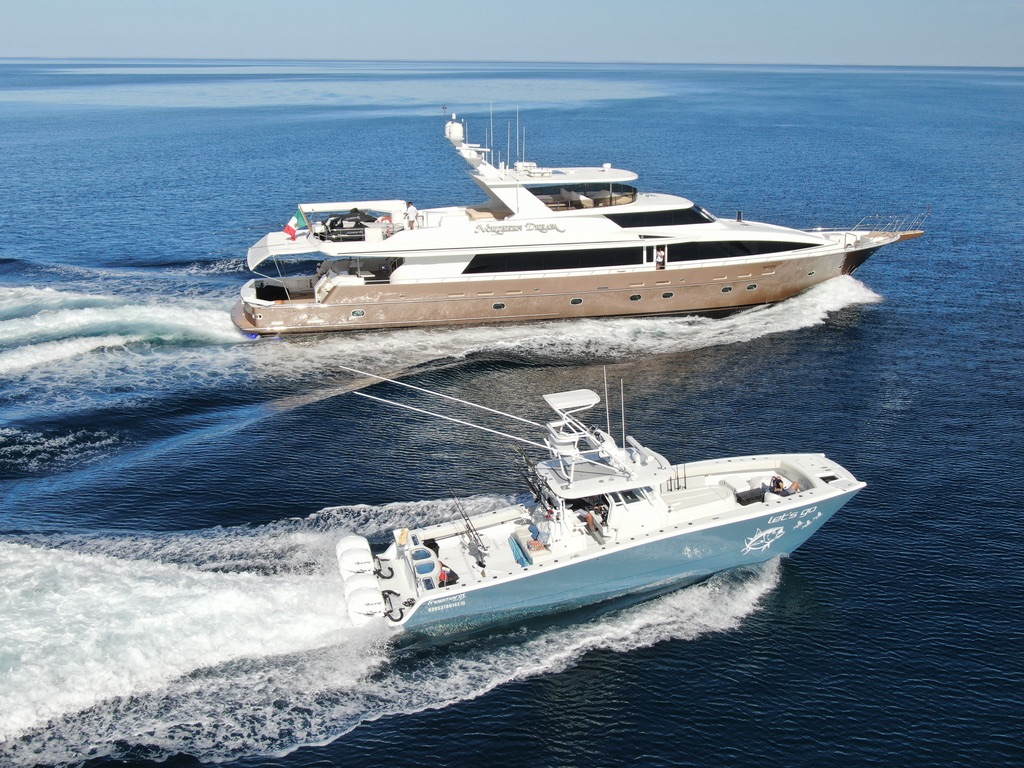
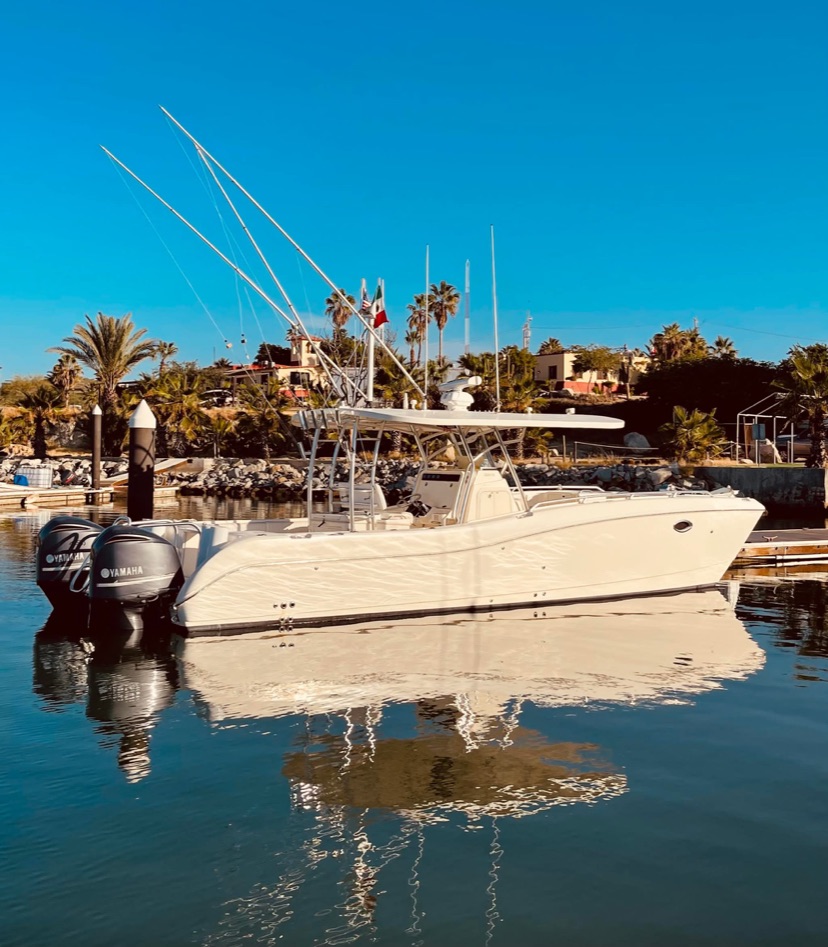
Three on the 24 foot Punta Lobos panga, up to four on La Ruca and La Morita, and up to six on Don Pancho and El Wahoo King. Whale watching numbers run a little higher because nobody is swinging a rod.
Yes. The catch goes home with you. Filleting at the dock, vacuum sealing and freezing are available, and most guests fly home with a cooler. Marlin are mostly released, with judgement on the day.
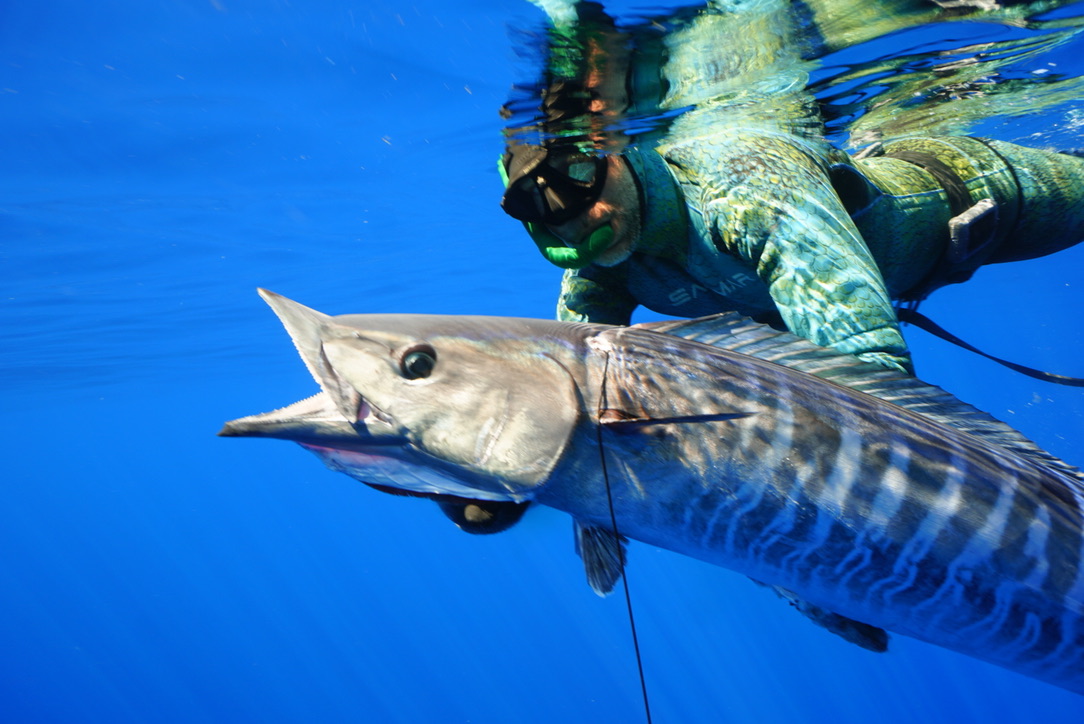
Yes, on fishing days. The crew rigs and handles the gear and hands you the rod when something eats. Guided spearfishing needs breath-hold experience and runs on a strict buddy system, which is the only legal way to spearfish in Mexico. Water, ice and snacks are normally aboard.