If we could only catch one fish out here, a lot of us would pick dorado. They are fast, they jump, they are the brightest colored animal you will ever hold, they come in numbers, and they are outstanding on a plate. There is no downside to a dorado.
Marlin get the posters. Dorado get the dinner table and most of the actual fun.
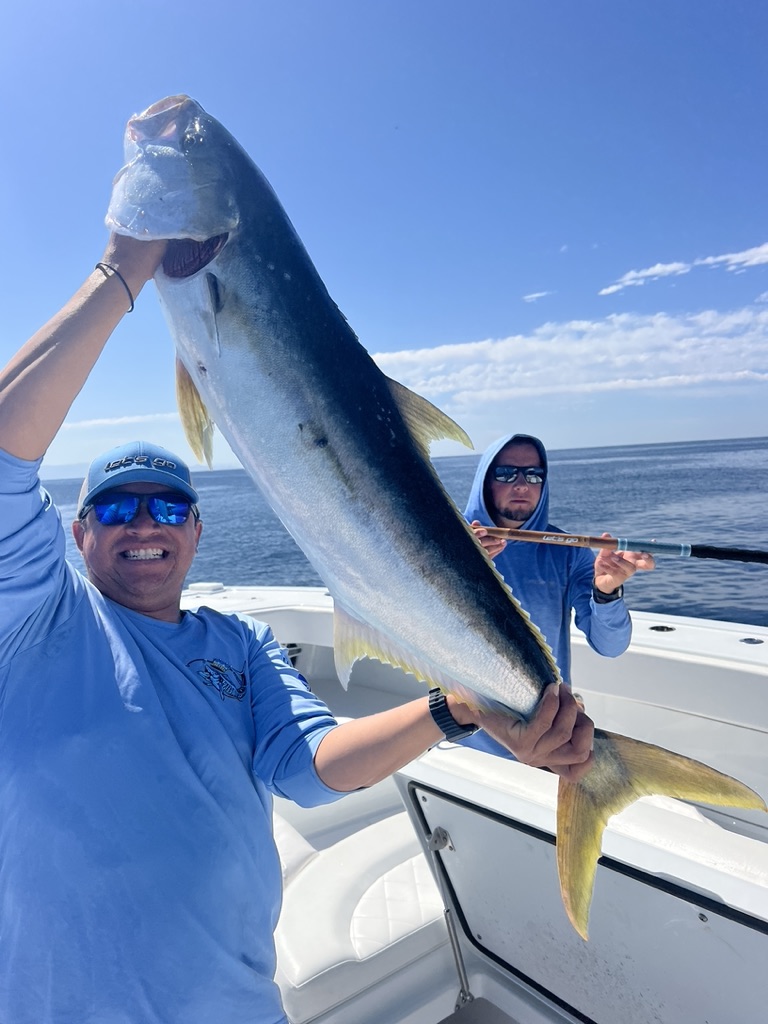
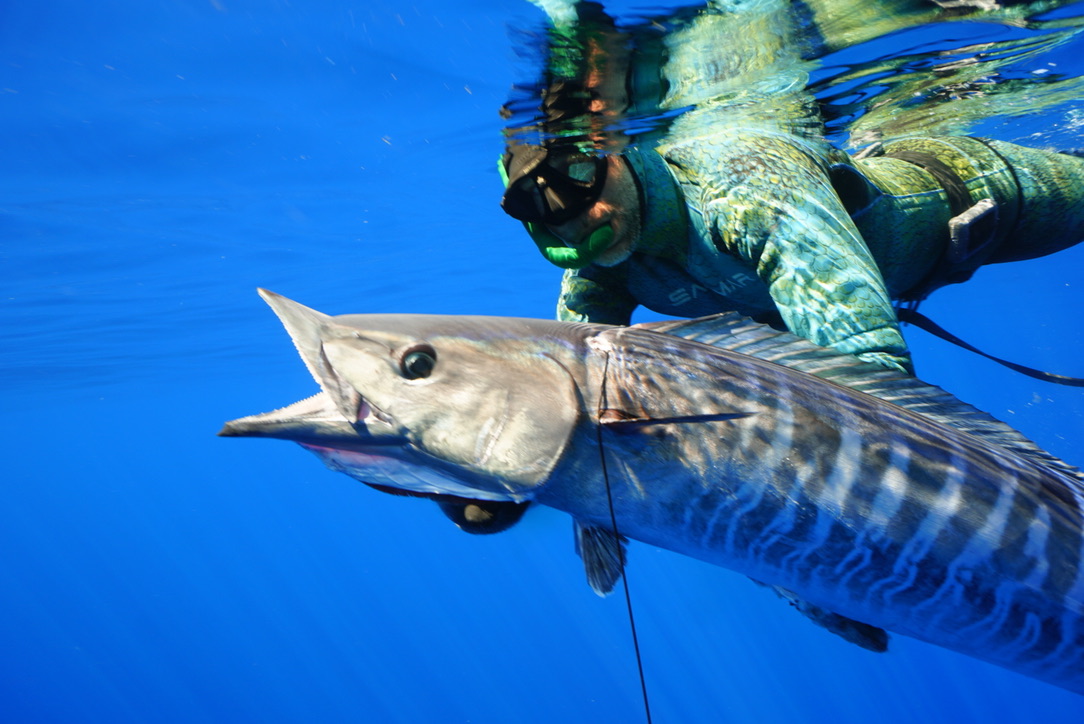
A dorado hooked on suitable tackle jumps immediately and repeatedly, changes direction constantly, and glows electric green and gold the entire time. Bring the fish aboard and the color drains out of it within minutes, which is why the photo happens fast.
They grow absurdly quickly, which is part of why the fishery holds up. A fish that is a few pounds in spring can be a real fish by fall.
Dorado are a warm water fish. They show as the water heats through early summer and stay through fall, with the strongest fishing generally through the summer and early fall months.
They thin out considerably in the cooler part of the year. If dorado is what you want to eat, come in the warm season.
Structure, and by structure we mean anything floating. A log, a pallet, a patch of weed, a buoy, a piece of debris. Small fish gather under it, bigger fish come to eat the small fish, and dorado sit there waiting.
Running offshore and looking for floating objects is a legitimate fishing strategy here and it works. We also watch for frigate birds, which will sit over a school, and for weed lines and current edges.
Once we find a school, they often stay with the boat. Keep one hooked fish in the water and the rest of the school will hang around, which lets everyone on board get a turn. That is a specific technique and we will run it when the situation allows.
We troll to find them. Once found, it is often live bait or casting, which is far more fun and far more effective on a school.
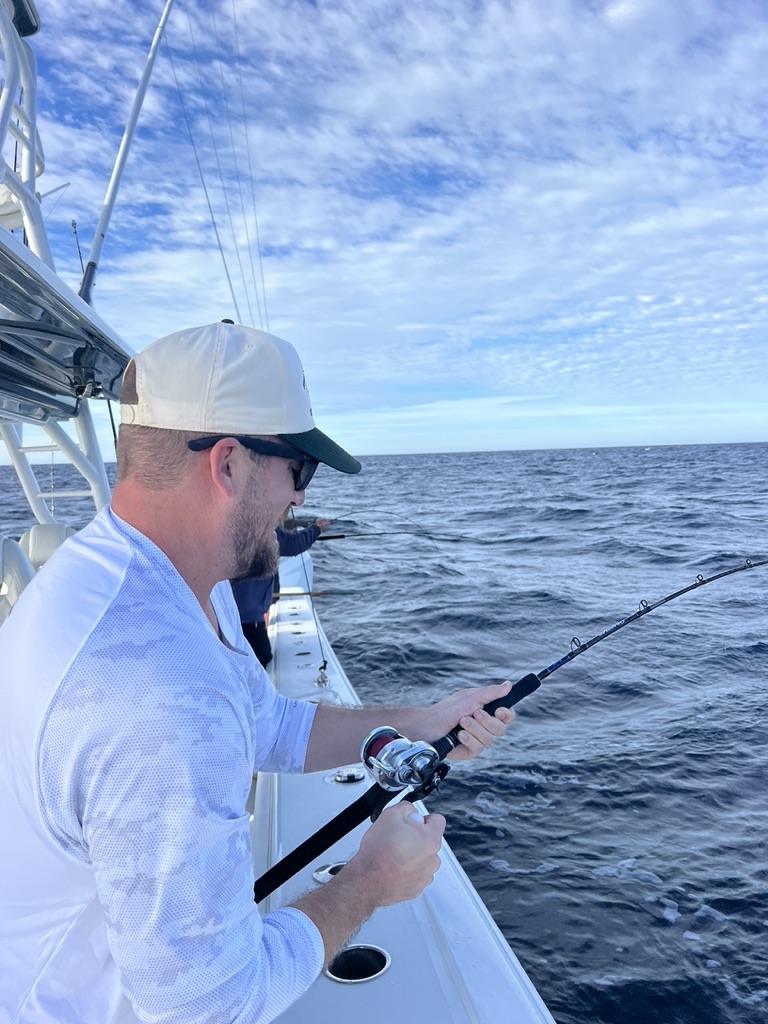
Light tackle makes this fish. On heavy gear a fifteen pound dorado is barely a fight. On appropriate gear it is one of the better light tackle fights available anywhere.
Anglers who want to throw lures or fly at a dorado school should tell us at booking. It is very doable and it is a highlight when it comes together.
Large males develop a blunt, squared off forehead and are called bulls. Females keep a rounded head. A big bull over forty pounds is a genuinely impressive animal and considerably harder to land than the schoolies.
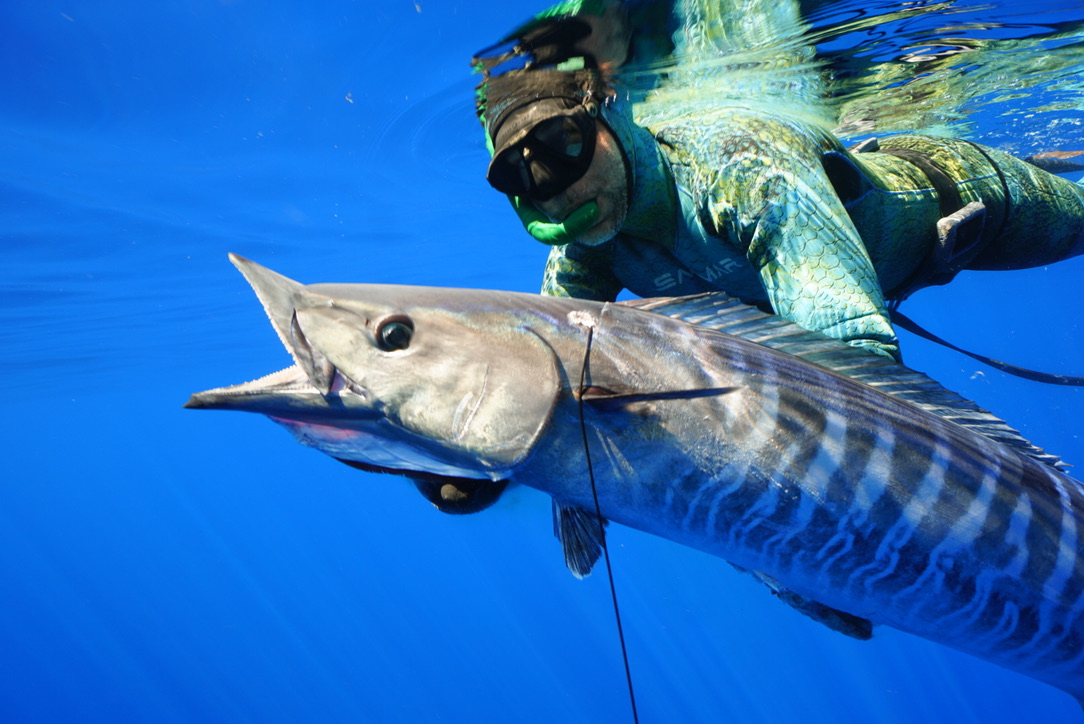
Dorado is firm, white, mild, and it holds up to any cooking method you throw at it. Grilled, in tacos, as ceviche, or seared. If you are catching your dinner in Cabo, this is usually it.
We bleed and ice fish on the boat, which matters more than people realize. Your catch is yours and it goes home with you. We fillet it properly at the marina, and we can vacuum seal and freeze it so it travels. Pricing and turnaround are still being confirmed.
We keep a sensible number and release the rest. Filling a boat with dorado because they are biting is bad practice and we do not do it.
Dorado come out of half day and full day offshore trips through the warm season, and they very often show up on days targeted at billfish. A combo day is a good way to get both.
The short version of how a trip with Indigo Adventures works. Licences, deposits, boats and what happens to your catch. The full FAQ has the rest.
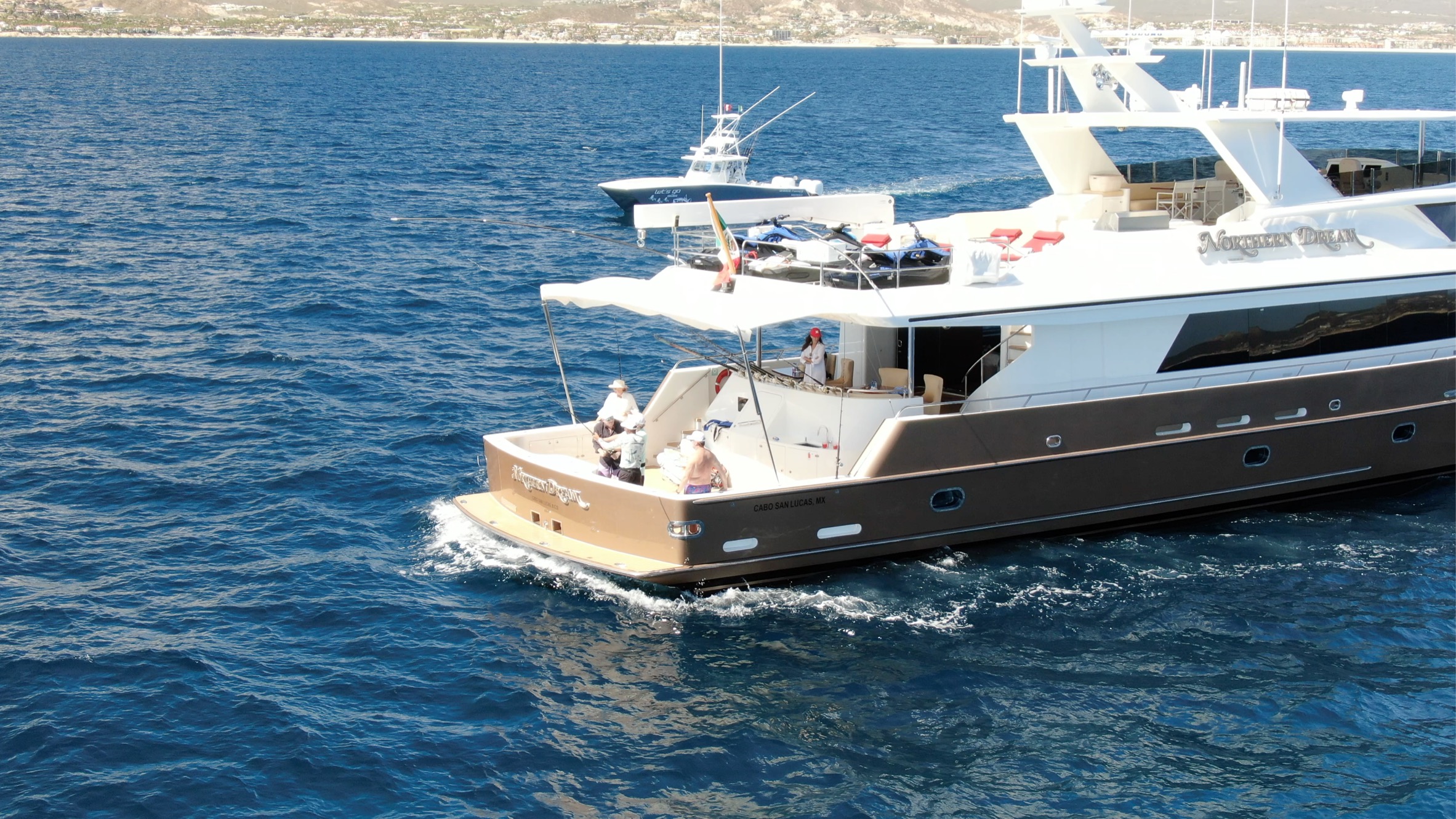
Read the full FAQ→Indigo Adventures is based in El Pescadero, on the Pacific side of Baja California Sur, a few minutes south of Todos Santos. Boats launch from three points: Punta Lobos beach in Todos Santos, San Jose del Cabo, and the Cabo San Lucas Marina. Which boat runs your trip decides where you meet us.
Custom fishing and spearfishing charters, freediving excursions, whale watching from mid December to April, and kayaking. Every trip is built around your group, your dates and the conditions rather than a fixed timetable, and almost every one goes out private.
Book online on the Book Now page, where availability is live and a 50 percent deposit holds the date. If you would rather we picked the trip, send an enquiry with who is coming, when you are here and what you want out of the day, and we will say which trip fits and which one does not.
No. Everyone fishing in Mexican waters needs a Mexican sportfishing licence, and each angler buys their own. We help you arrange it before the day so nobody is sorting paperwork on the dock. The same licence covers rod and spear.
Rarely. Almost every trip goes out as a private boat for you and your group. If a split makes sense for a small party we will say so when you enquire.
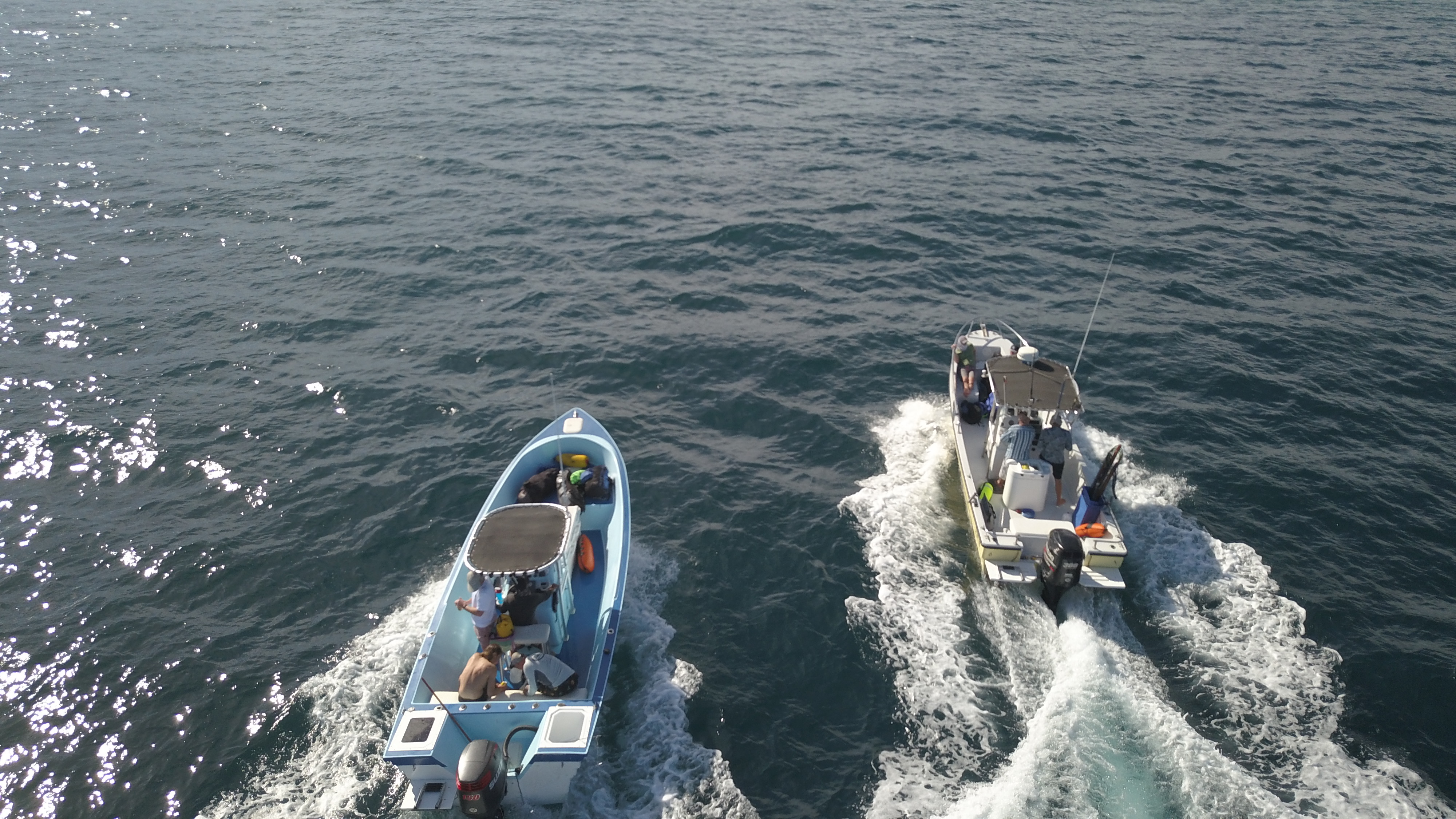
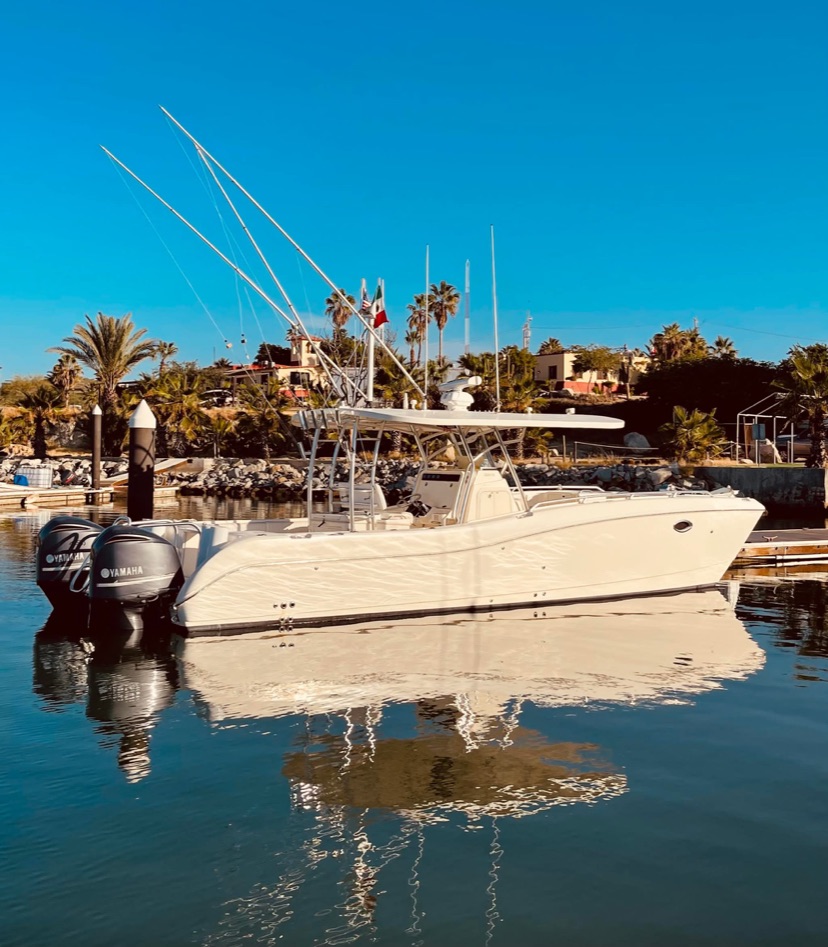
Three on the 24 foot Punta Lobos panga, up to four on La Ruca and La Morita, and up to six on Don Pancho and El Wahoo King. Whale watching numbers run a little higher because nobody is swinging a rod.
Yes. The catch goes home with you. Filleting at the dock, vacuum sealing and freezing are available, and most guests fly home with a cooler. Marlin are mostly released, with judgement on the day.
Yes, on fishing days. The crew rigs and handles the gear and hands you the rod when something eats. Guided spearfishing needs breath-hold experience and runs on a strict buddy system, which is the only legal way to spearfish in Mexico. Water, ice and snacks are normally aboard.