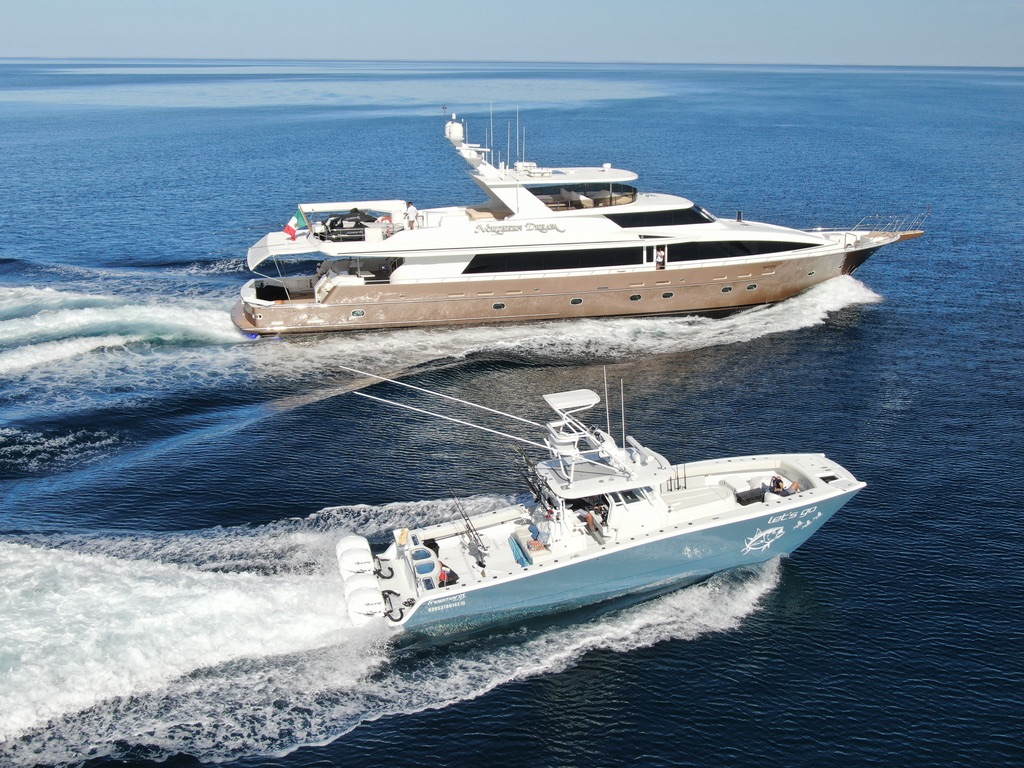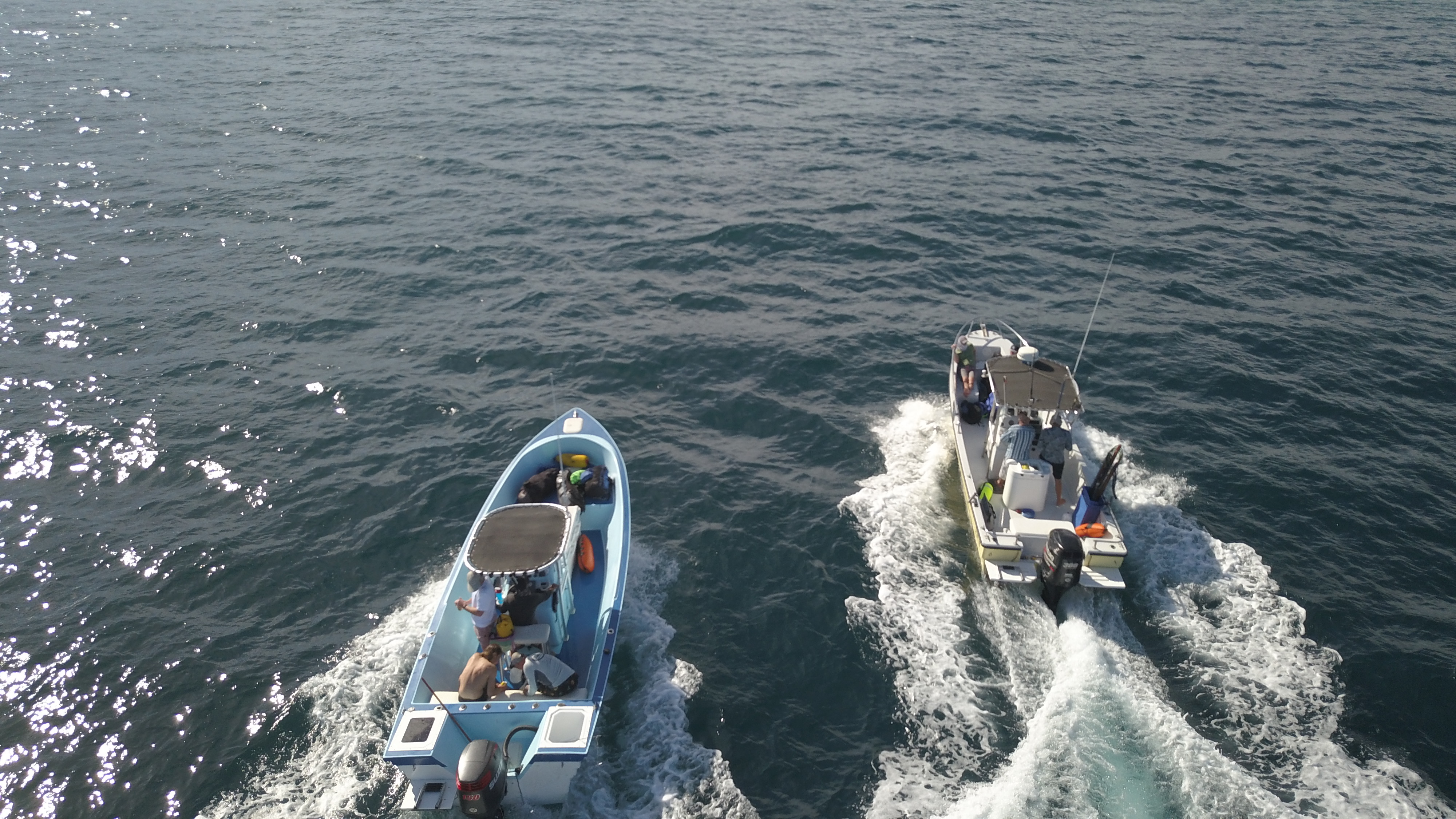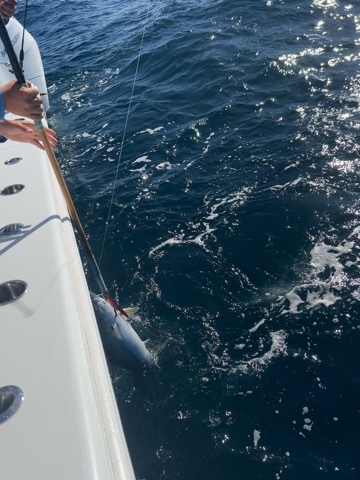
July is hot and humid, and the fishing is good in spite of it. Blue marlin, dorado and yellowfin tuna are all in play, roosterfish are still working inshore, and the water is warm enough to swim in between drifts. Tropical weather becomes a genuine possibility this month. Plan around the mornings.
July is hot. Air runs low to mid nineties in the afternoon and it does not cool off much overnight. Humidity climbs through the month, and that is the single biggest difference between fishing here in July and fishing here in May. Water is around the low eighties, warm enough that getting in it is the best part of the day for a lot of people.
Mornings are usually flat calm, which is why we leave early. Tropical moisture and the first named storms of the season generally show up somewhere out there this month. Most Julys are fine. Some are not, and the odds get worse from here through October.
Afternoon thunderstorms build over the mountains inland and occasionally drift toward the coast. They are usually short. What they signal matters more than what they do: the atmosphere has changed for the season, and from now until late fall the weather is something we watch daily rather than weekly.
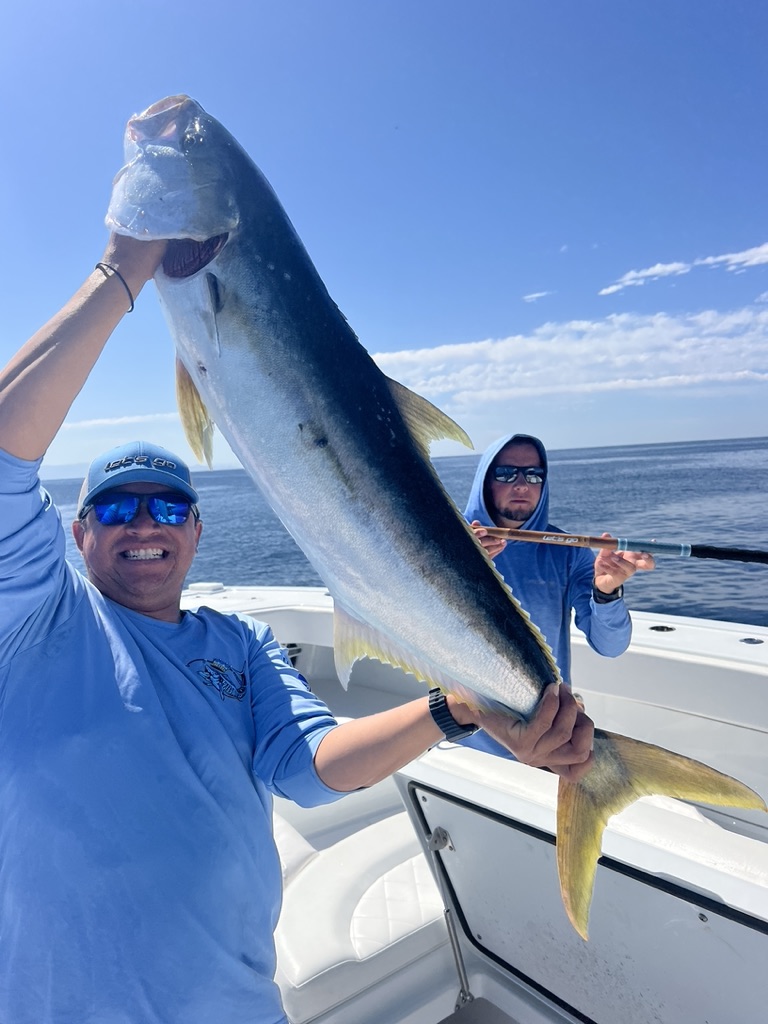
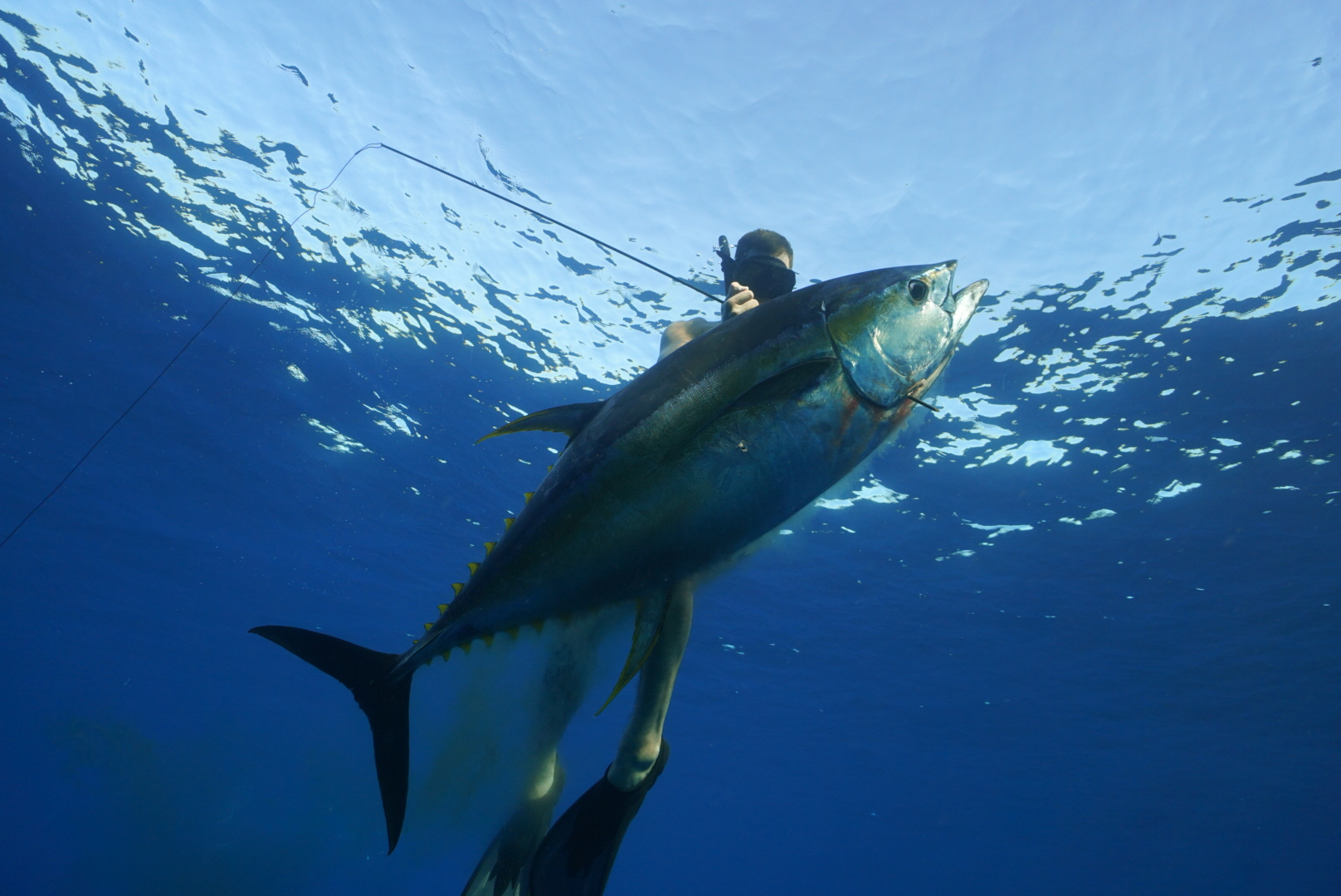
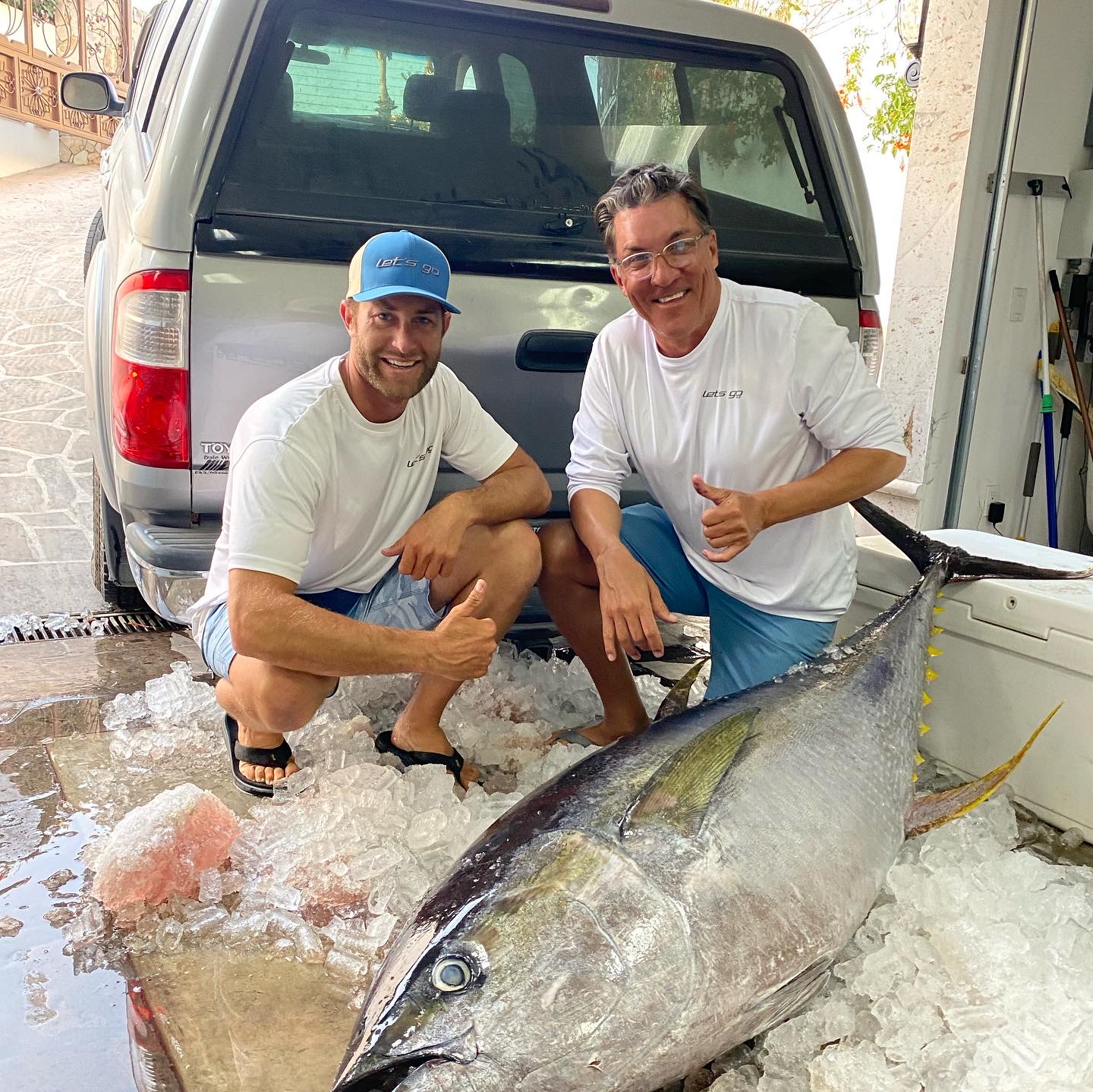
Blue marlin and black marlin are here and the fishing builds through the month. Sailfish are around. Dorado are strong and are the most consistent fish in the box. Yellowfin tuna improve through July, often found with the porpoise offshore, and the average size climbs as the season runs on.
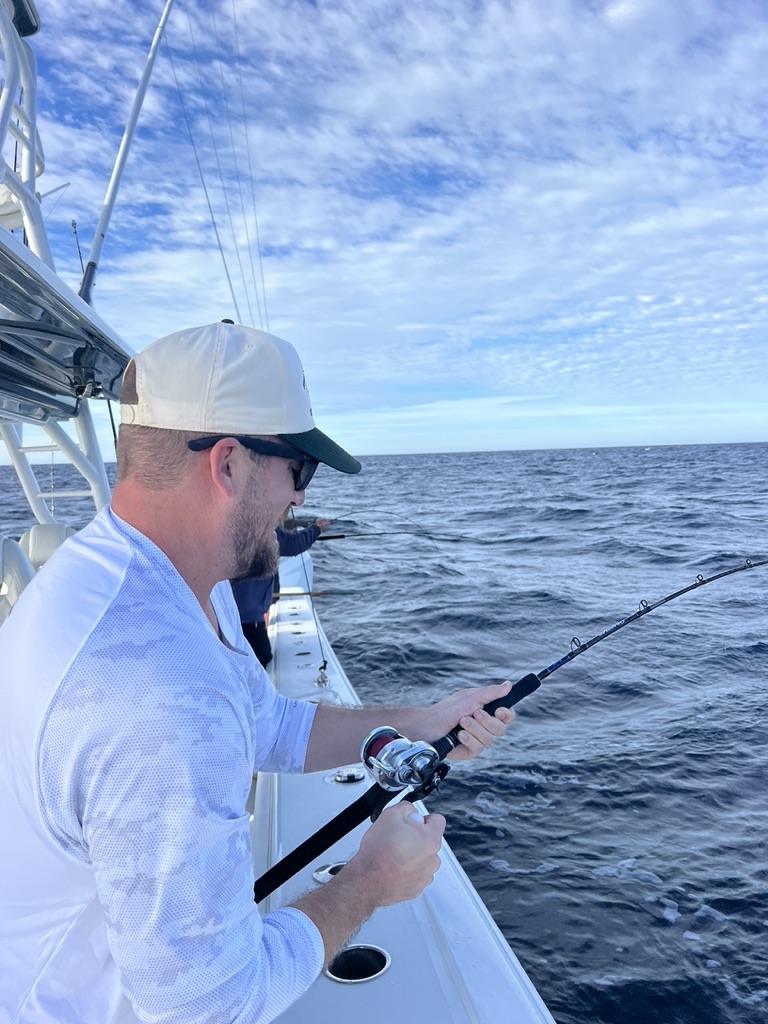
Tuna fishing in July usually means running to find porpoise and then working the school. There can be a lot of looking involved. When you find them it is fast, and it is physical work on heavy gear in the heat. If nobody in your group wants to fight a heavy fish in the middle of a July day, tell us before we leave the dock and we will plan around it.
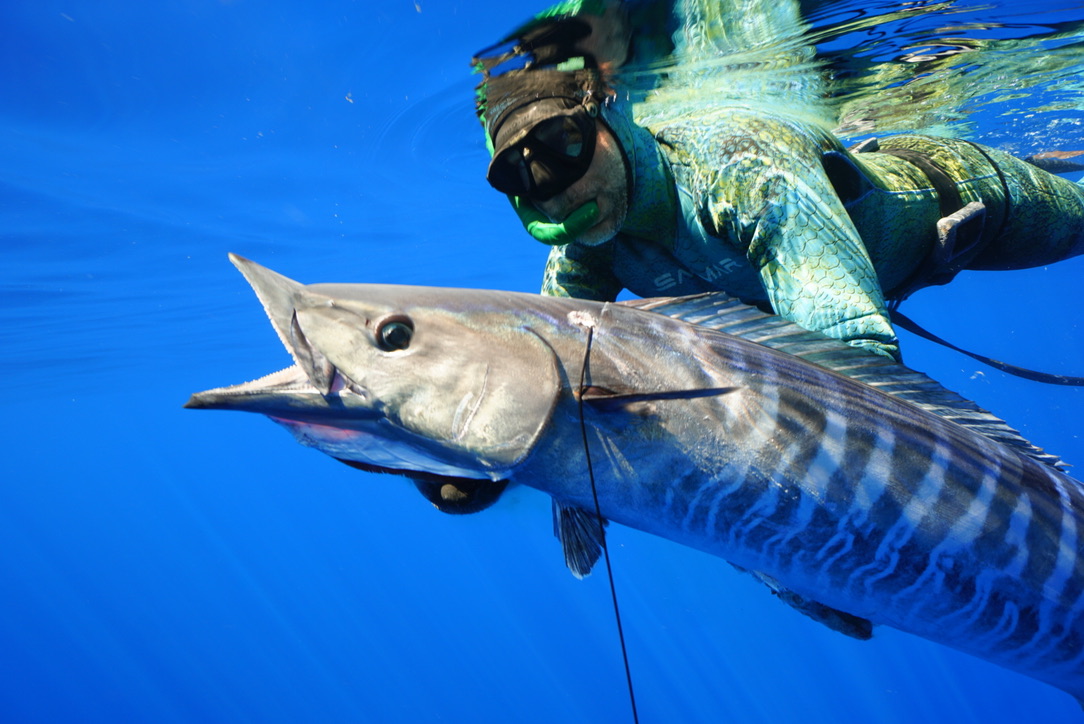
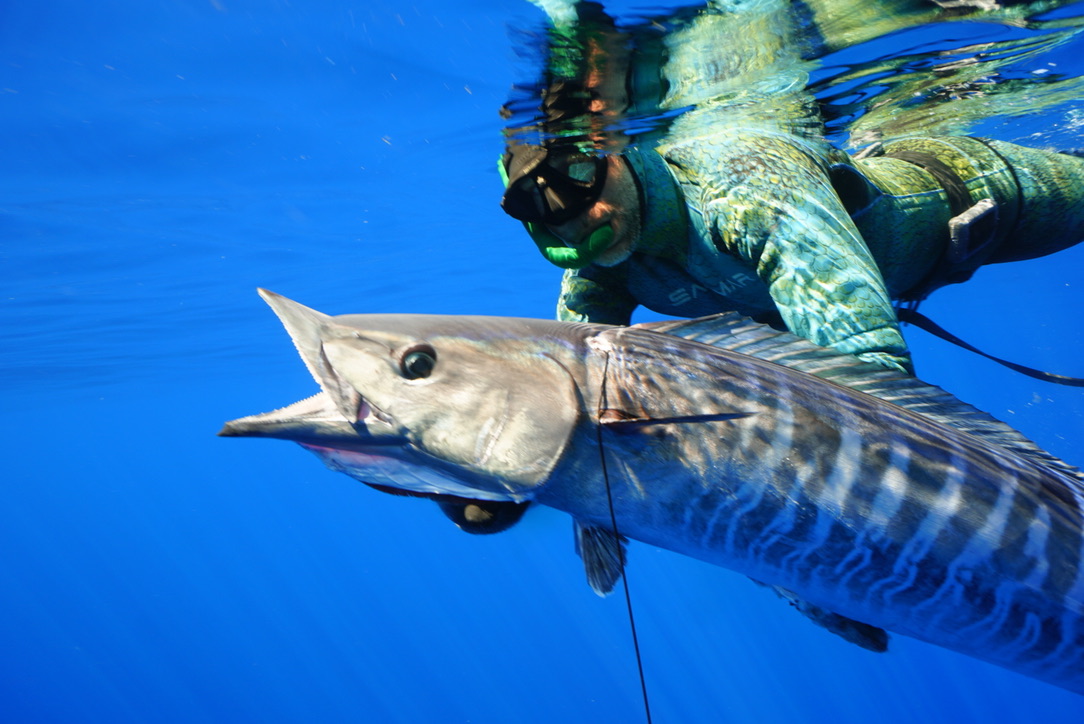
Striped marlin are scarce compared with winter. You will see one now and then, but they are not the target in July. Yellowtail and sierra are gone until the water cools again. The wahoo run is still ahead of us.
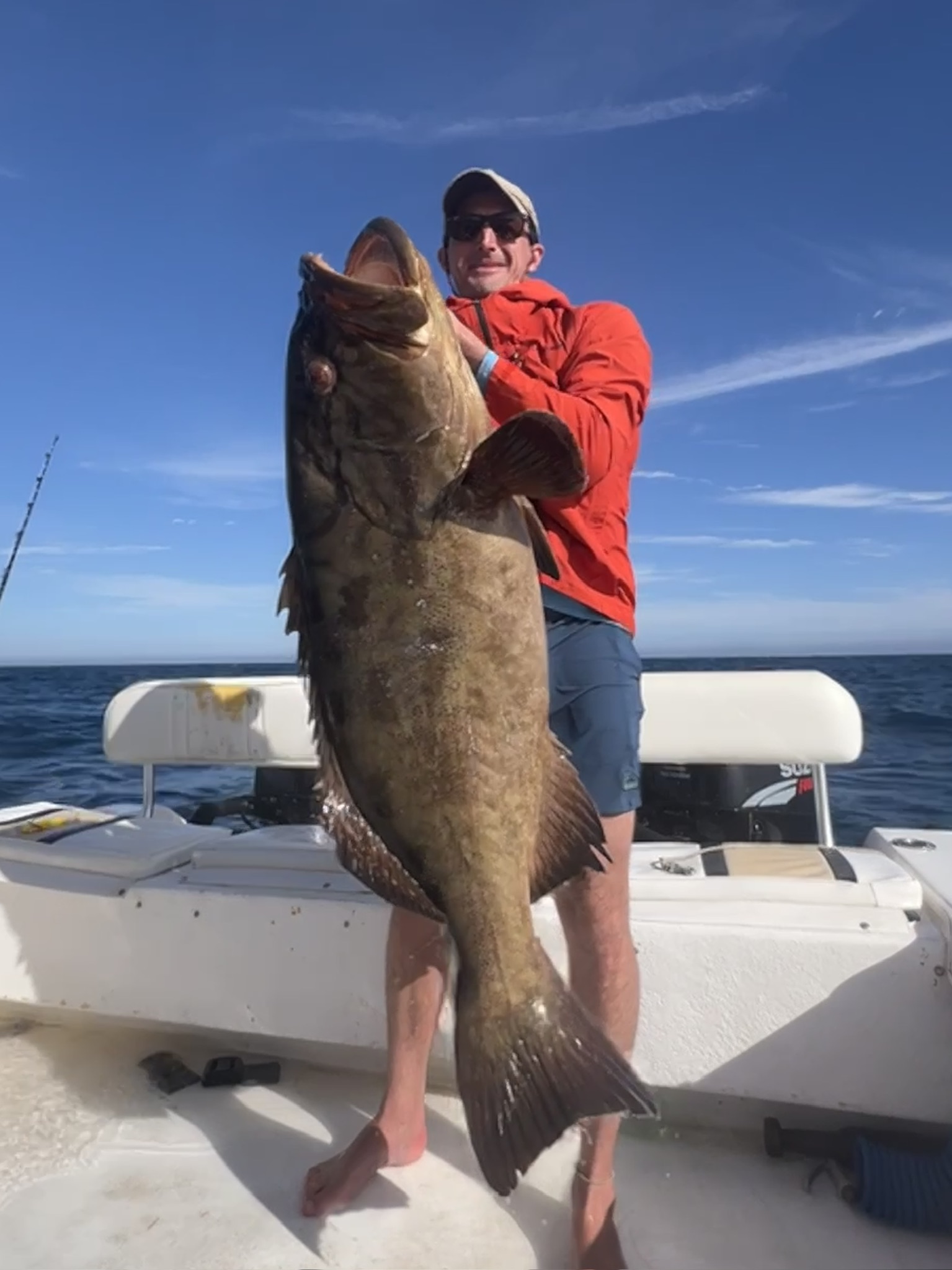
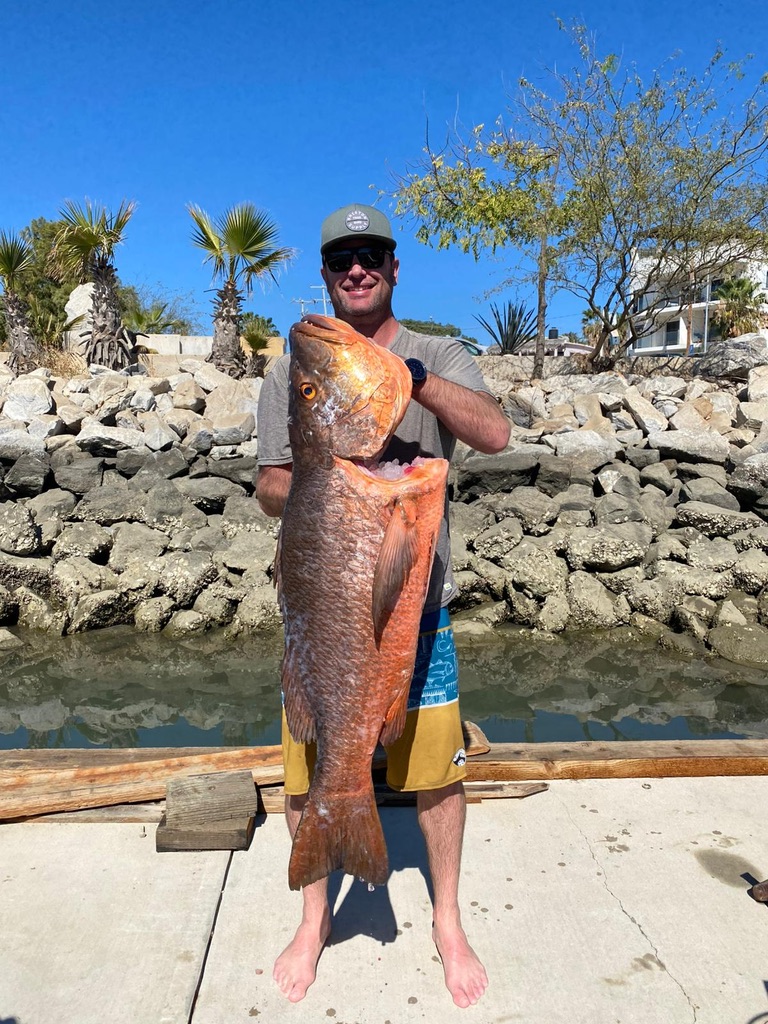
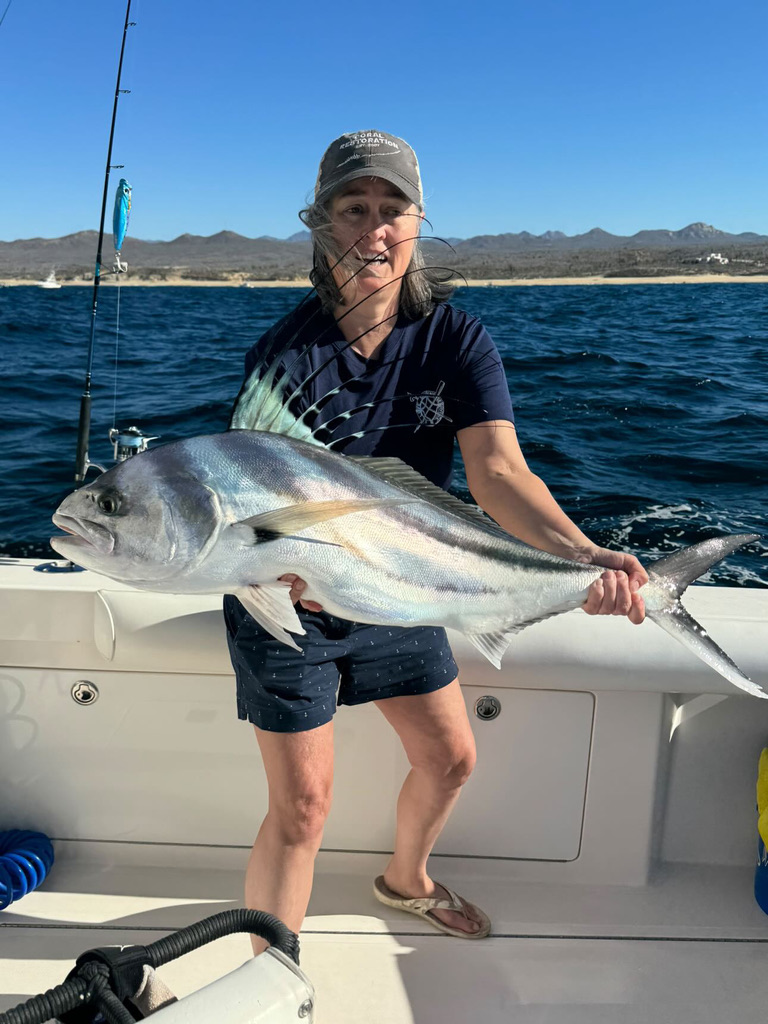
Inshore, roosterfish are still very good, along with jack crevalle and pargo along the rocks.
Offshore, leaving at first light. The fishing is better early and so is the weather. By early afternoon the heat on an open deck is punishing, and that matters more than people expect when they are booking from somewhere cold.
If you have children, or anyone who is not committed to a full offshore day, the inshore trip is the better call in July. Short run, roosterfish, and you can get in the water.
Hydration is the part of a July day you can actually control. People underestimate sun, salt and no shade for hours at a stretch. Eat breakfast, drink more water than feels necessary, and take the shade when it is there.
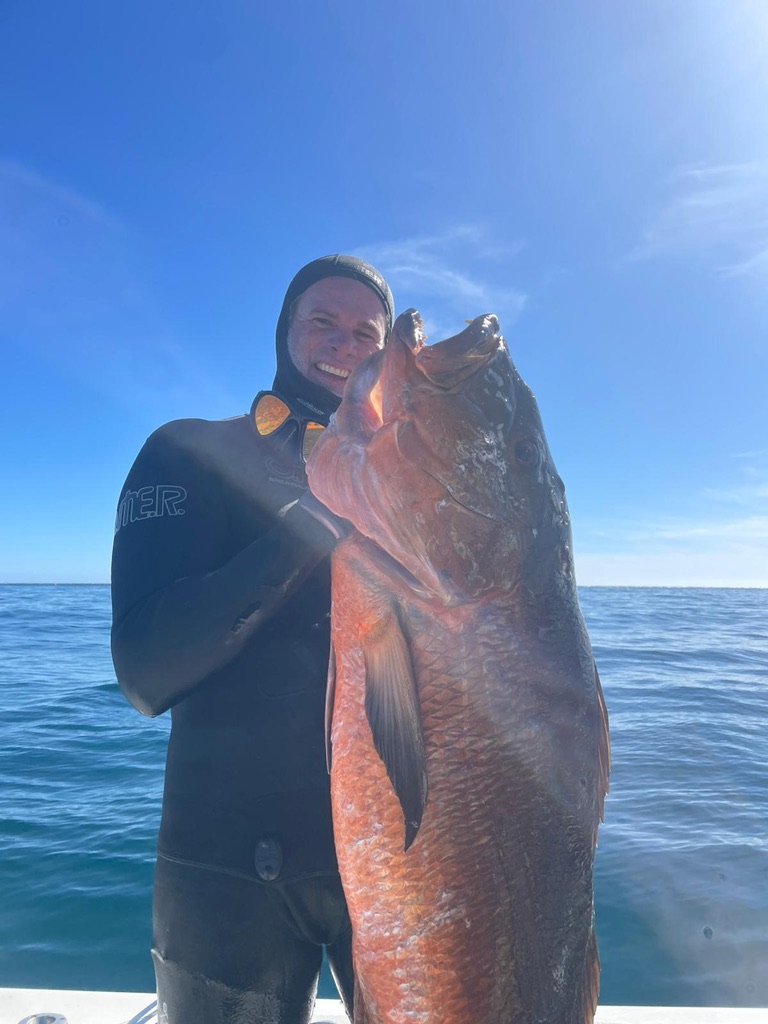
Spearfishing is at its best in the warm months and July qualifies. Warm water, long days and a wide species list.
Busier than you would expect for a hot month. Mexican summer holidays and North American family travel both land in July, so the beaches are active even though the calendar calls it low season. Costs are generally below winter and above September.
The town runs on a summer schedule. Things happen early or late and the middle of the day is quiet. Take the same approach.
Good fishing, hard weather. If heat does not bother you, July gives you blue marlin, dorado and improving tuna for less money than the winter months cost.
Skip July if you have small children who wilt in heat, if anyone in the group struggles with humidity, or if your travel dates cannot move. Tropical weather is a live possibility from now until late in the fall. May and June give you similar fishing in kinder conditions, and October gives you better fishing once the worst of the storm season passes.
Every species with this month inside its peak window. Tap one for the full page.
The short version of how a trip with Indigo Adventures works. Licences, deposits, boats and what happens to your catch. The full FAQ has the rest.
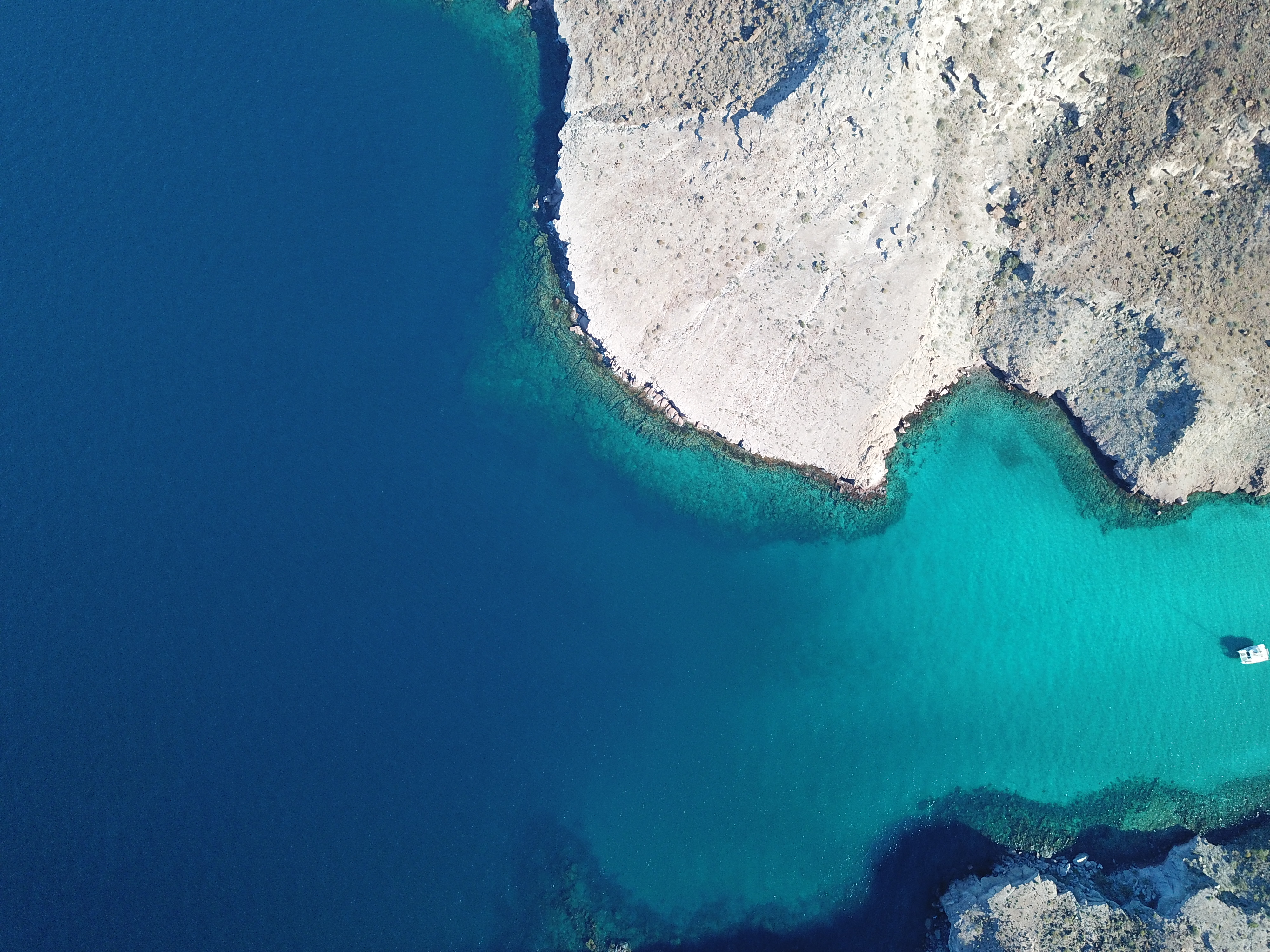
Read the full FAQ→Indigo Adventures is based in El Pescadero, on the Pacific side of Baja California Sur, a few minutes south of Todos Santos. Boats launch from three points: Punta Lobos beach in Todos Santos, San Jose del Cabo, and the Cabo San Lucas Marina. Which boat runs your trip decides where you meet us.
Custom fishing and spearfishing charters, freediving excursions, whale watching from mid December to April, and kayaking. Every trip is built around your group, your dates and the conditions rather than a fixed timetable, and almost every one goes out private.
Book online on the Book Now page, where availability is live and a 50 percent deposit holds the date. If you would rather we picked the trip, send an enquiry with who is coming, when you are here and what you want out of the day, and we will say which trip fits and which one does not.
No. Everyone fishing in Mexican waters needs a Mexican sportfishing licence, and each angler buys their own. We help you arrange it before the day so nobody is sorting paperwork on the dock. The same licence covers rod and spear.
Rarely. Almost every trip goes out as a private boat for you and your group. If a split makes sense for a small party we will say so when you enquire.
Three on the 24 foot Punta Lobos panga, up to four on La Ruca and La Morita, and up to six on Don Pancho and El Wahoo King. Whale watching numbers run a little higher because nobody is swinging a rod.
Yes. The catch goes home with you. Filleting at the dock, vacuum sealing and freezing are available, and most guests fly home with a cooler. Marlin are mostly released, with judgement on the day.
Yes, on fishing days. The crew rigs and handles the gear and hands you the rod when something eats. Guided spearfishing needs breath-hold experience and runs on a strict buddy system, which is the only legal way to spearfish in Mexico. Water, ice and snacks are normally aboard.