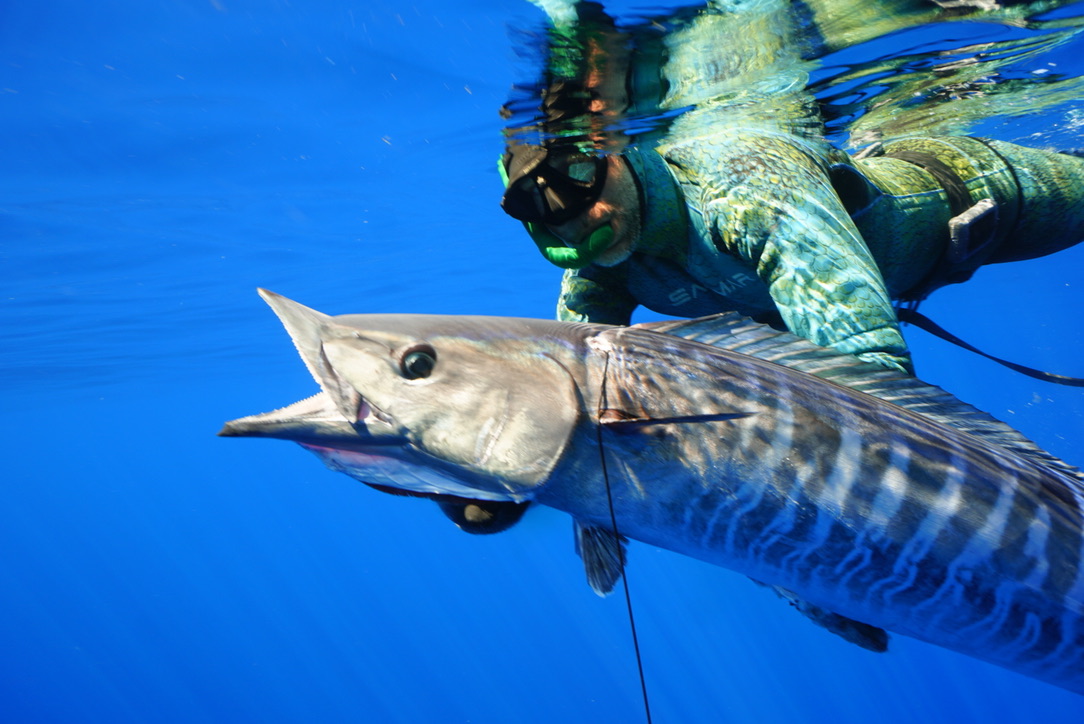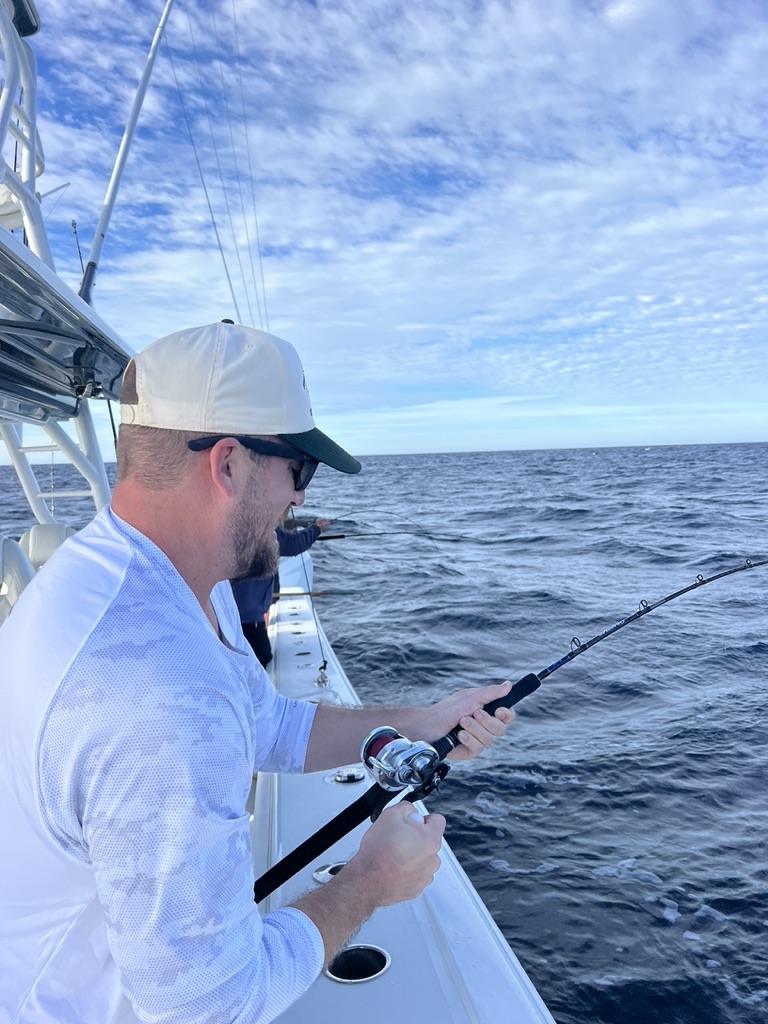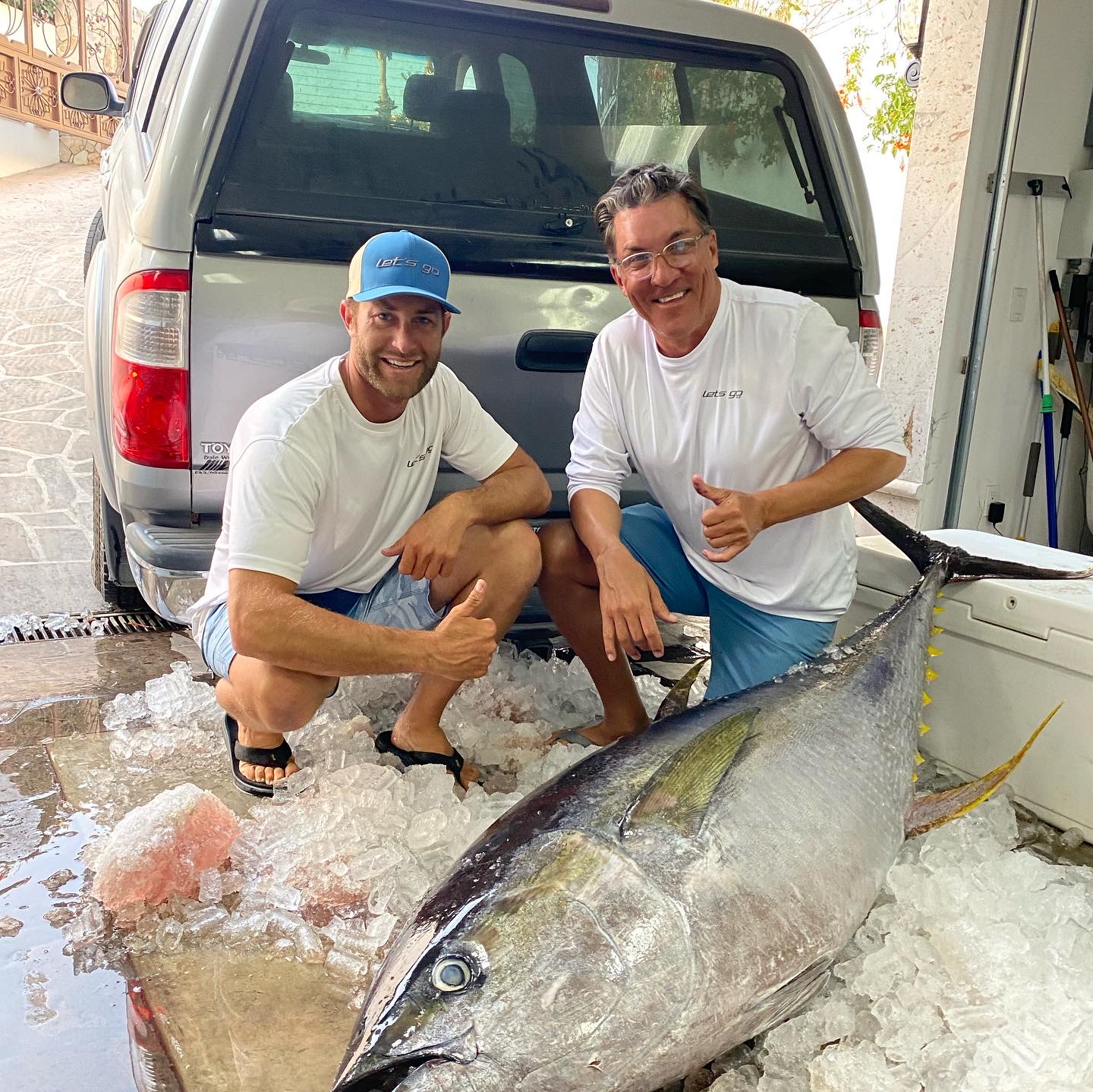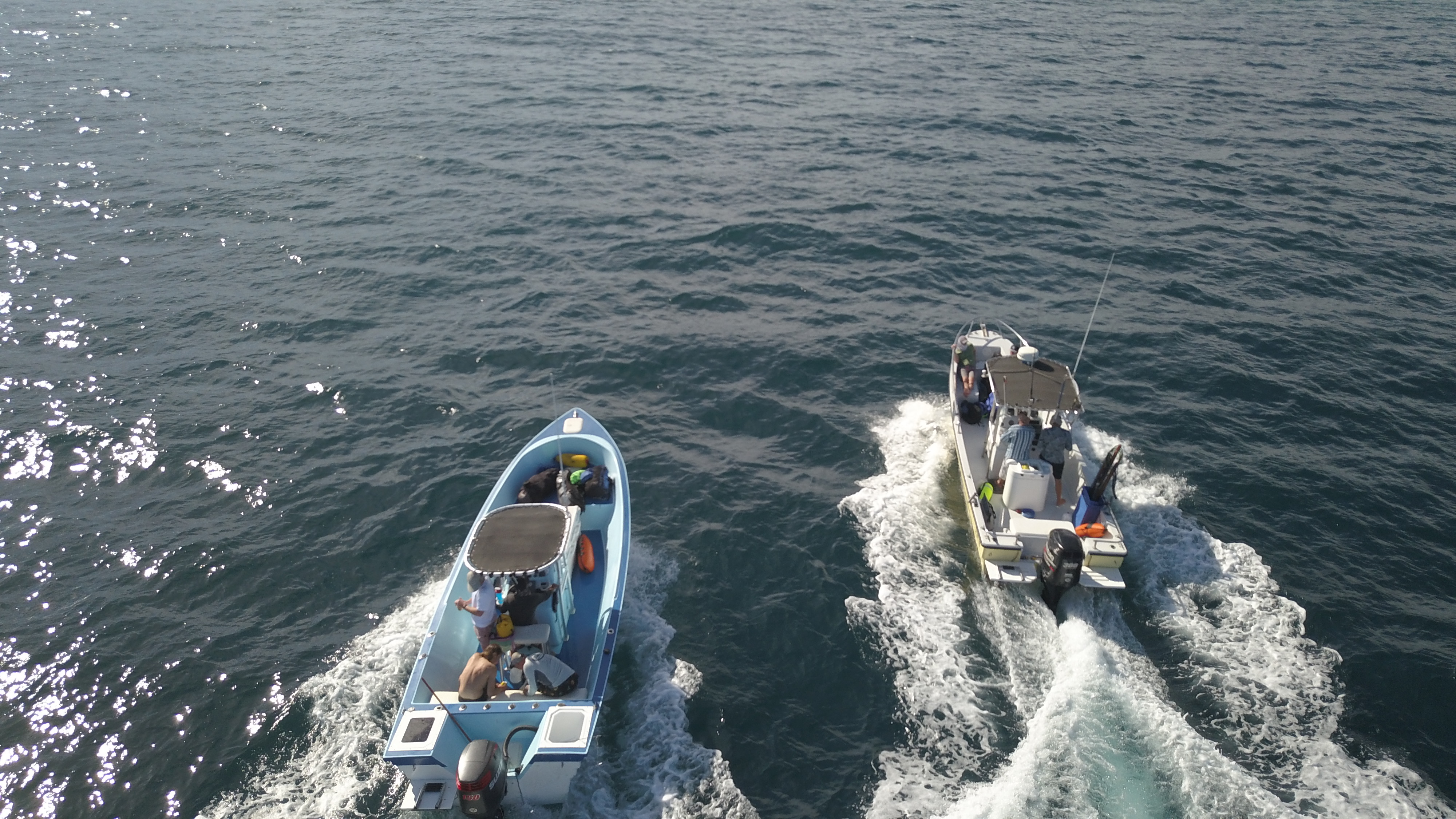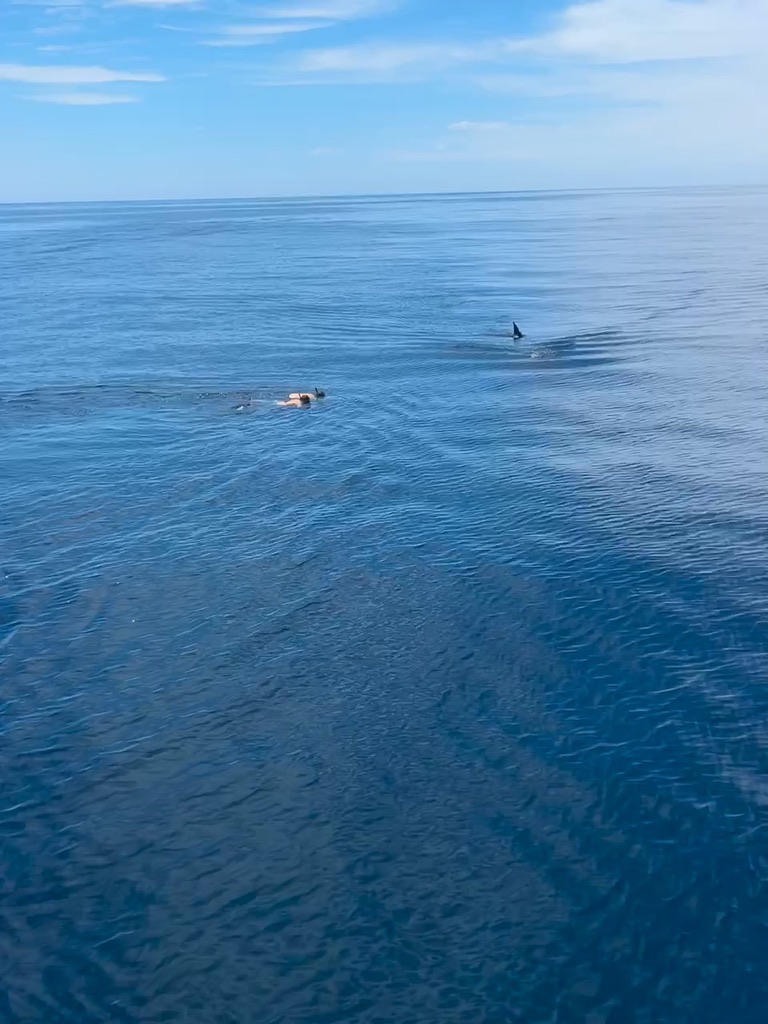
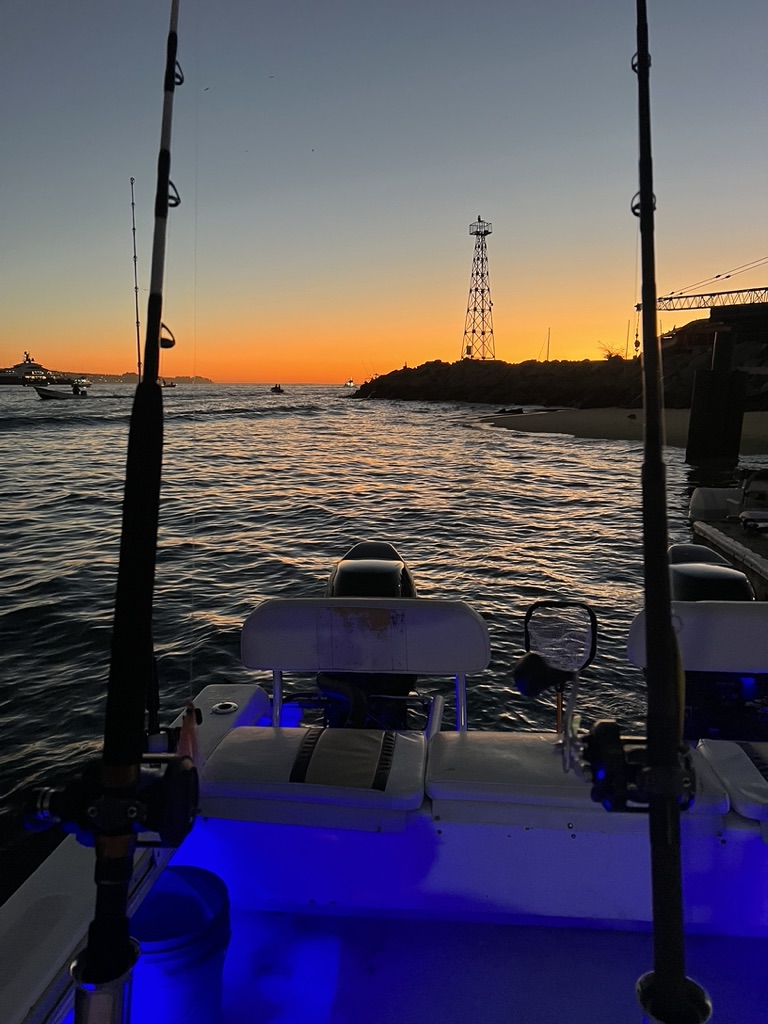
Swordfish are the hardest fish on this list to catch and the least casual thing we do. It is deep dropping, a long way down, for hours, for the chance at one bite. Some days you get it. Many days you do not. If that sounds like a poor trade, this is not the trip for you.
Everything else on this list can happen on an ordinary charter. Swordfish do not. Chasing broadbill is a dedicated effort with its own gear, its own grounds and its own pace, and it is not something we bolt onto a marlin trip because there is an hour spare in the afternoon.
We say that up front because expectations decide whether people enjoy this. A swordfish day can involve a long run, hours of watching a rod tip six hundred feet below the boat, and no bites at all. If you want a busy day with fish coming over the rail, book something else and come back for the swordfish another time.
Swordfish spend the daylight hours deep, often many hundreds of feet down, in cold dark water. They come shallower at night to feed. That vertical habit is the whole reason the fishery is technical. You are presenting a bait into a narrow band of water a long way beneath the boat, in current, and trying to know what is happening down there through a lot of line.
They also have soft mouths, they shake their heads violently, and they are strong enough to do whatever they want for the first part of the fight. Fish get lost. That is normal, and it stings every time.
The method is a weighted bait sent down to depth, usually a rigged squid or a whole bait, with a light and a heavy lead that is dropped away once a fish is on. Electric or heavy conventional gear, braided line, and a lot of patience.
The bite itself is often subtle. A swordfish will pick up a bait and swim with it, and the first sign is the rod tip doing something slightly wrong rather than a savage strike. Reading that is the skill, and it comes from hours of watching, not from a description on a website.
Once the fish is hooked the work begins. Bringing a good swordfish up from that depth is a long, physical job for whoever is on the rod, and it can go on for a very long time.
Broadbill are around this coast year round rather than in a defined season, so the decision is usually made by conditions rather than the calendar. We want manageable current, a workable sea state and enough good weather to justify the run. Wind is what cancels these days more than anything else.
They are not common in our catch. We are not going to dress that up. A swordfish is a special fish here and the anglers who land one generally spent several days trying.
Talk to us before you book. This works best with anglers who understand what they are signing up for, who can handle a long fight, and who are content to spend a day on the water for one shot. To confirm on how a swordfish day is arranged and what it includes.
What we will tell you honestly is that this is not a beginner trip and it is not a good use of a single-day visit if you want to catch fish. As a second or third day, for someone who has already had a good day on the water and wants to try something serious, it makes a lot of sense.
Swordfish is excellent eating and among the best of the billfish by a wide margin. Firm, meaty, and it takes a grill better than almost anything.
This is the billfish we keep, and it is the one exception. Marlin, sailfish and spearfish go back in the water as a matter of course. A swordfish that comes aboard is a swordfish we keep and share out.
They are large, oceanic and slow to mature, so there is no case for killing more than you will use. One fish goes a long way, and everybody on the boat goes home with some. We fillet it properly at the marina, and it can be vacuum sealed and frozen for the trip home. Pricing and turnaround are still being confirmed.
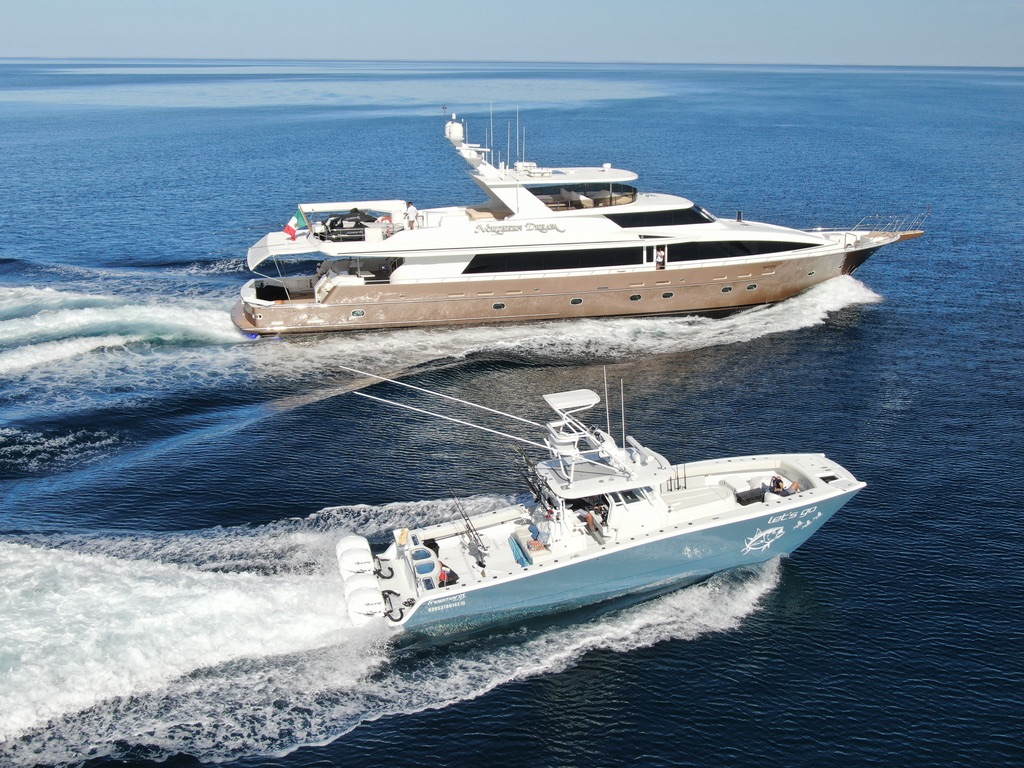
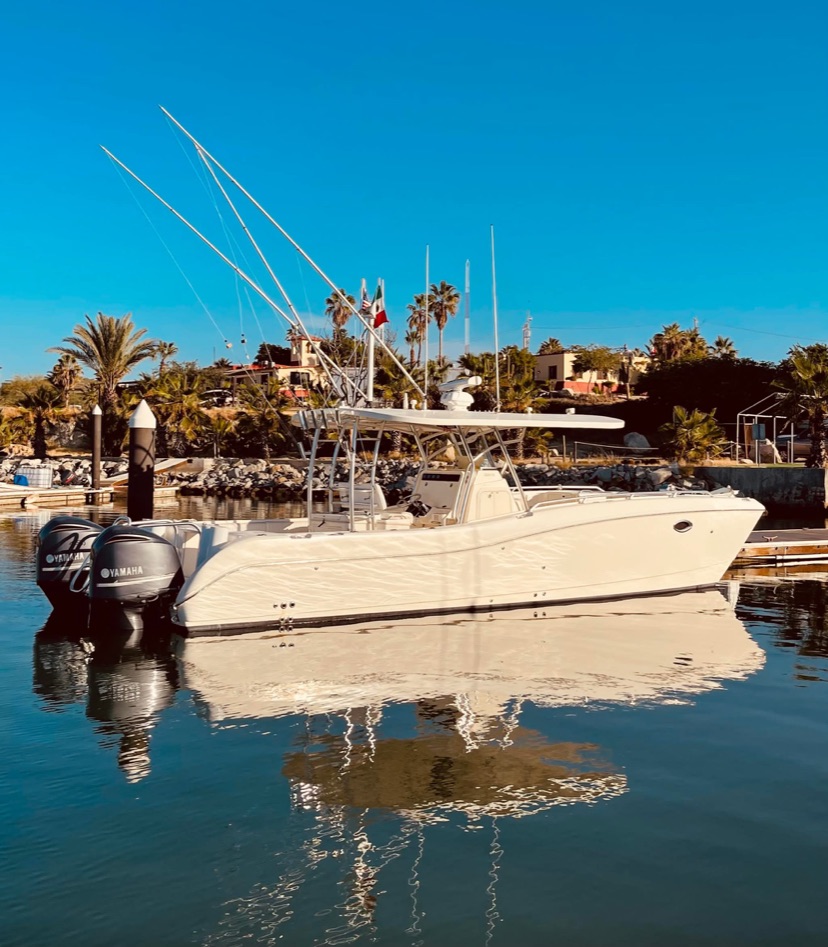
The short version of how a trip with Indigo Adventures works. Licences, deposits, boats and what happens to your catch. The full FAQ has the rest.
Read the full FAQ→Indigo Adventures is based in El Pescadero, on the Pacific side of Baja California Sur, a few minutes south of Todos Santos. Boats launch from three points: Punta Lobos beach in Todos Santos, San Jose del Cabo, and the Cabo San Lucas Marina. Which boat runs your trip decides where you meet us.
Custom fishing and spearfishing charters, freediving excursions, whale watching from mid December to April, and kayaking. Every trip is built around your group, your dates and the conditions rather than a fixed timetable, and almost every one goes out private.
Book online on the Book Now page, where availability is live and a 50 percent deposit holds the date. If you would rather we picked the trip, send an enquiry with who is coming, when you are here and what you want out of the day, and we will say which trip fits and which one does not.
No. Everyone fishing in Mexican waters needs a Mexican sportfishing licence, and each angler buys their own. We help you arrange it before the day so nobody is sorting paperwork on the dock. The same licence covers rod and spear.
Rarely. Almost every trip goes out as a private boat for you and your group. If a split makes sense for a small party we will say so when you enquire.
Three on the 24 foot Punta Lobos panga, up to four on La Ruca and La Morita, and up to six on Don Pancho and El Wahoo King. Whale watching numbers run a little higher because nobody is swinging a rod.
Yes. The catch goes home with you. Filleting at the dock, vacuum sealing and freezing are available, and most guests fly home with a cooler. Marlin are mostly released, with judgement on the day.
Yes, on fishing days. The crew rigs and handles the gear and hands you the rod when something eats. Guided spearfishing needs breath-hold experience and runs on a strict buddy system, which is the only legal way to spearfish in Mexico. Water, ice and snacks are normally aboard.