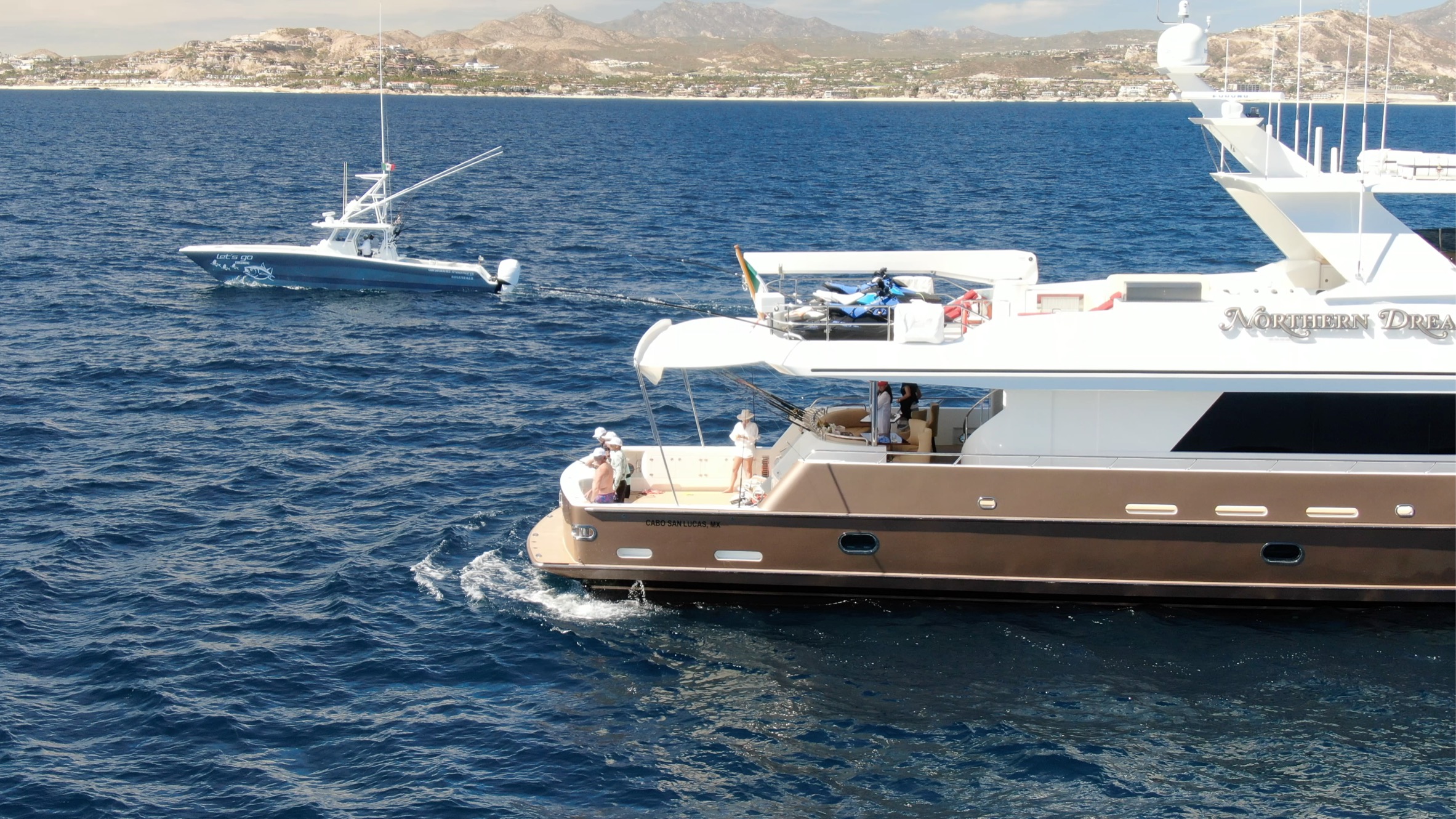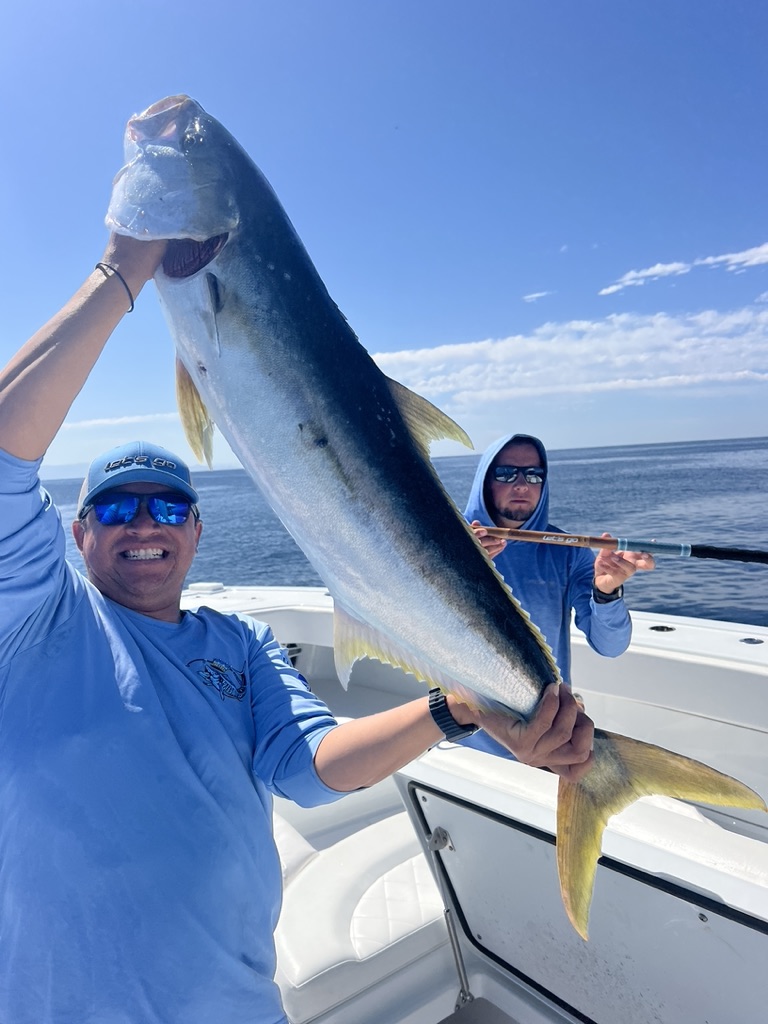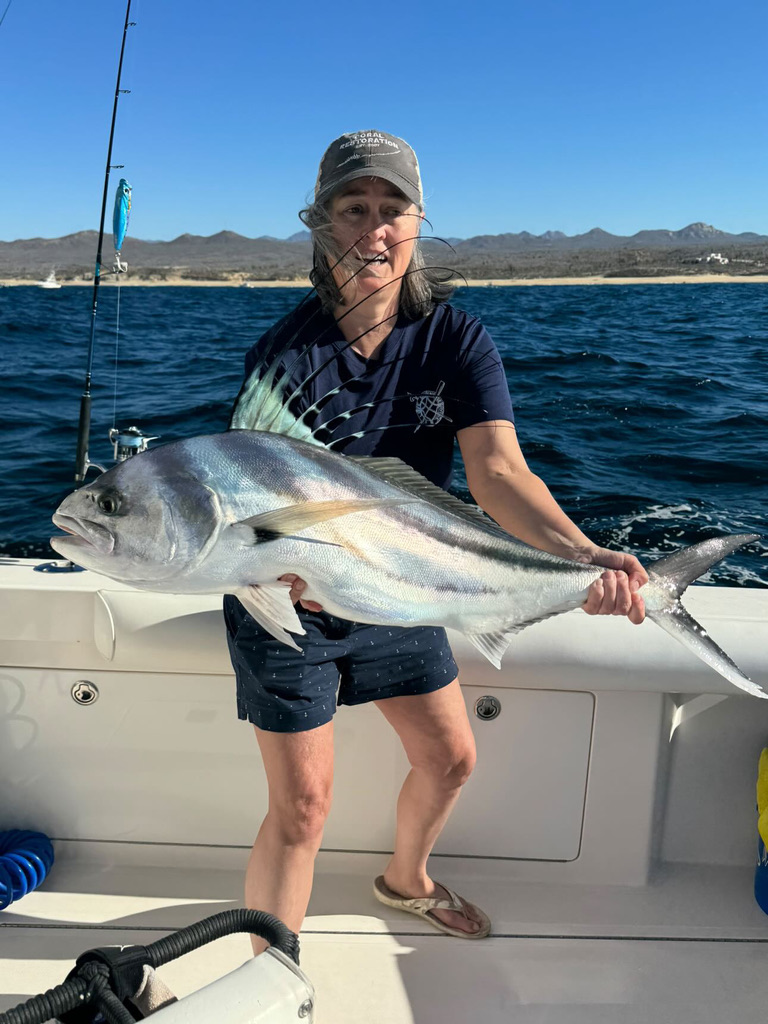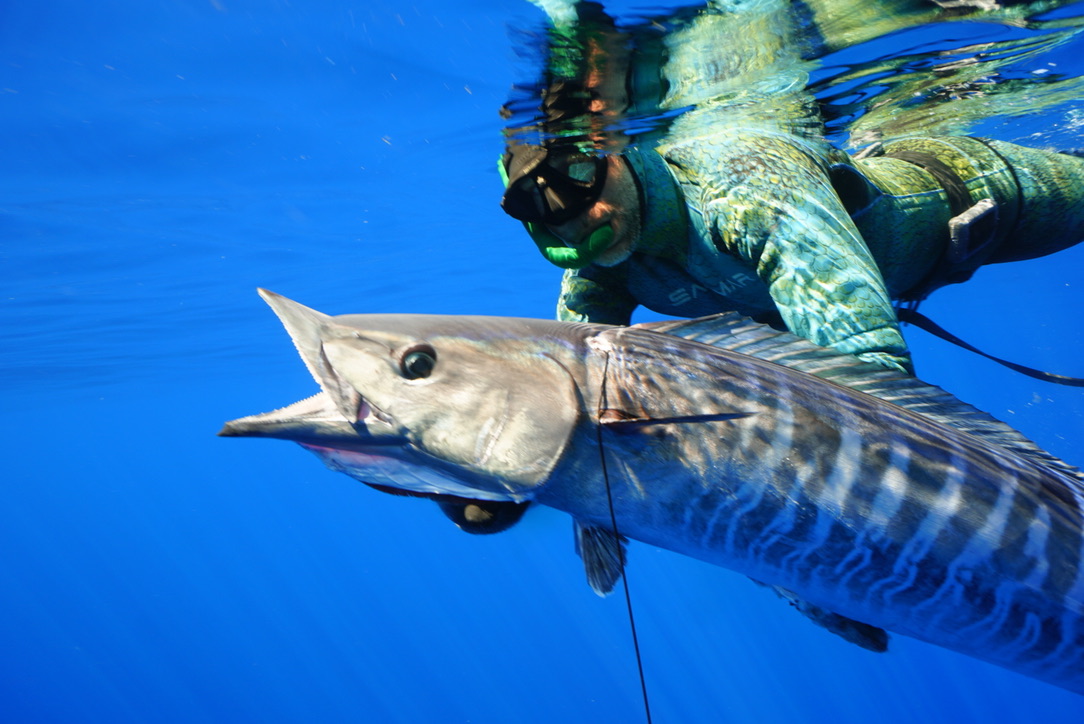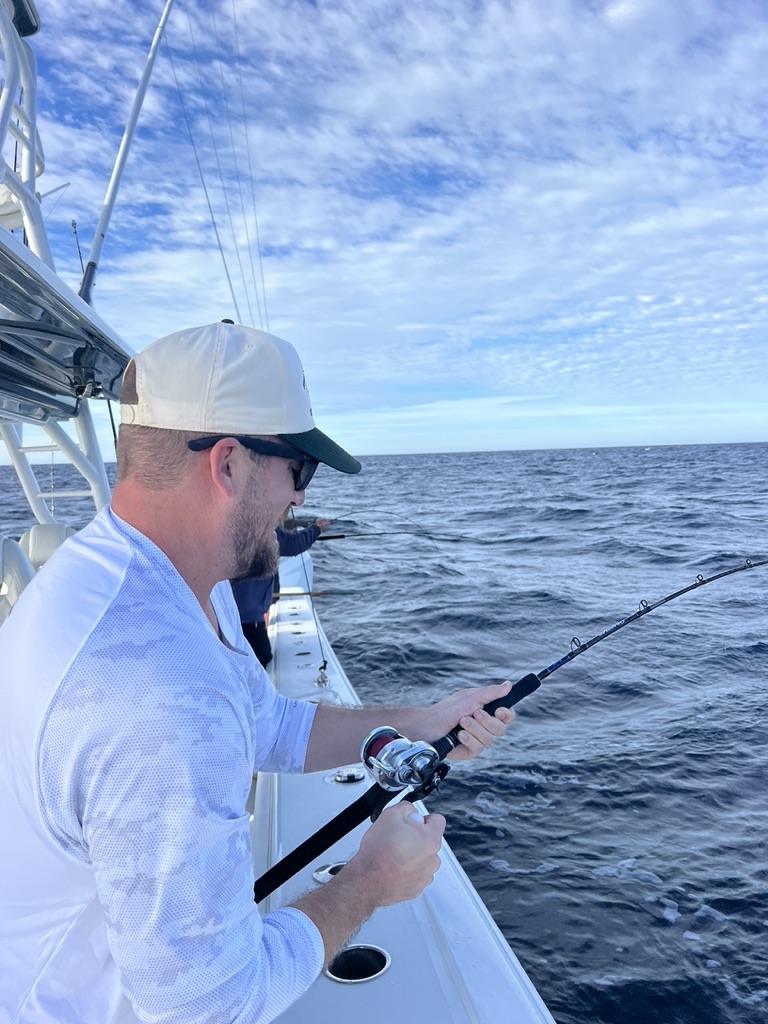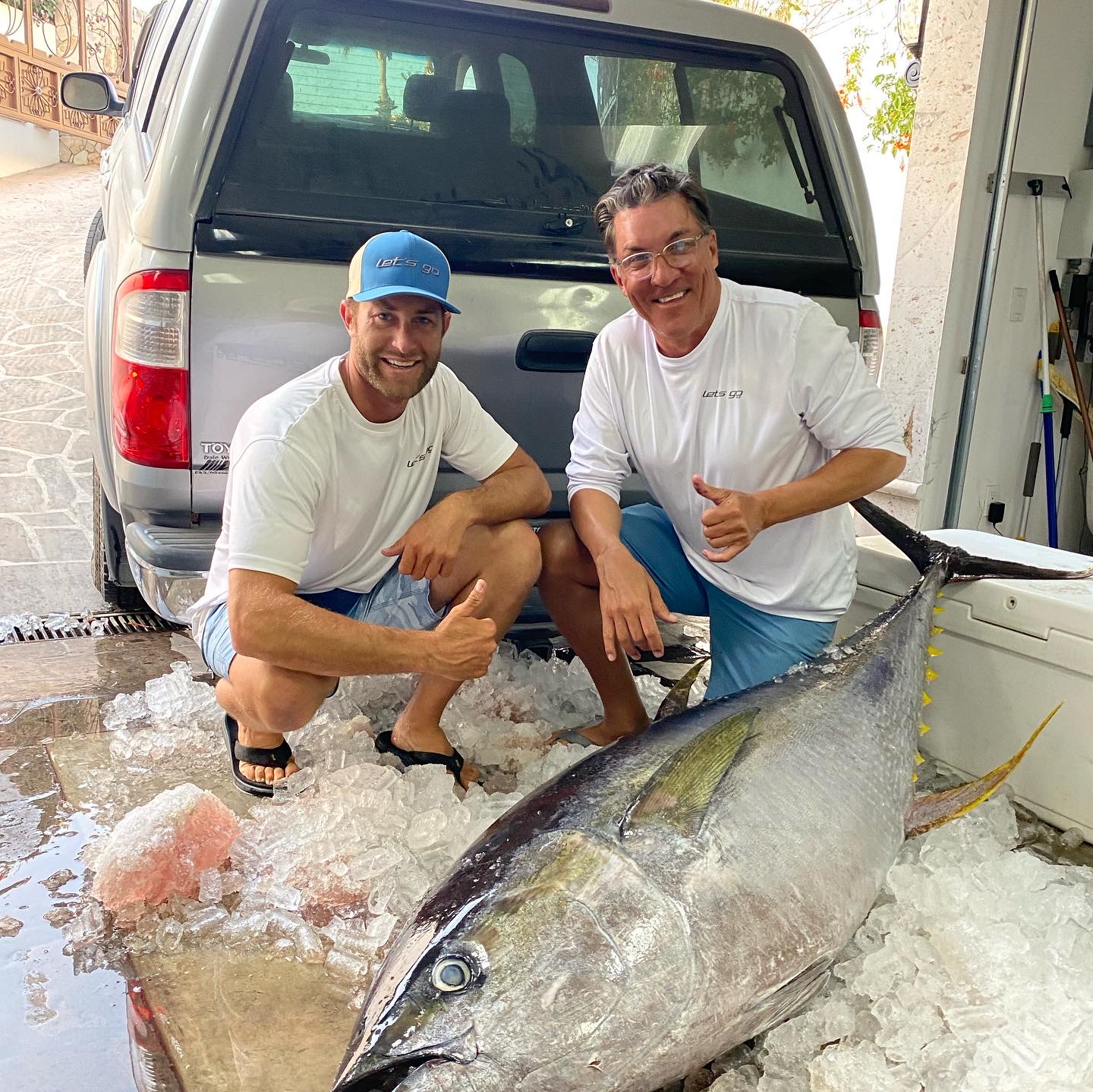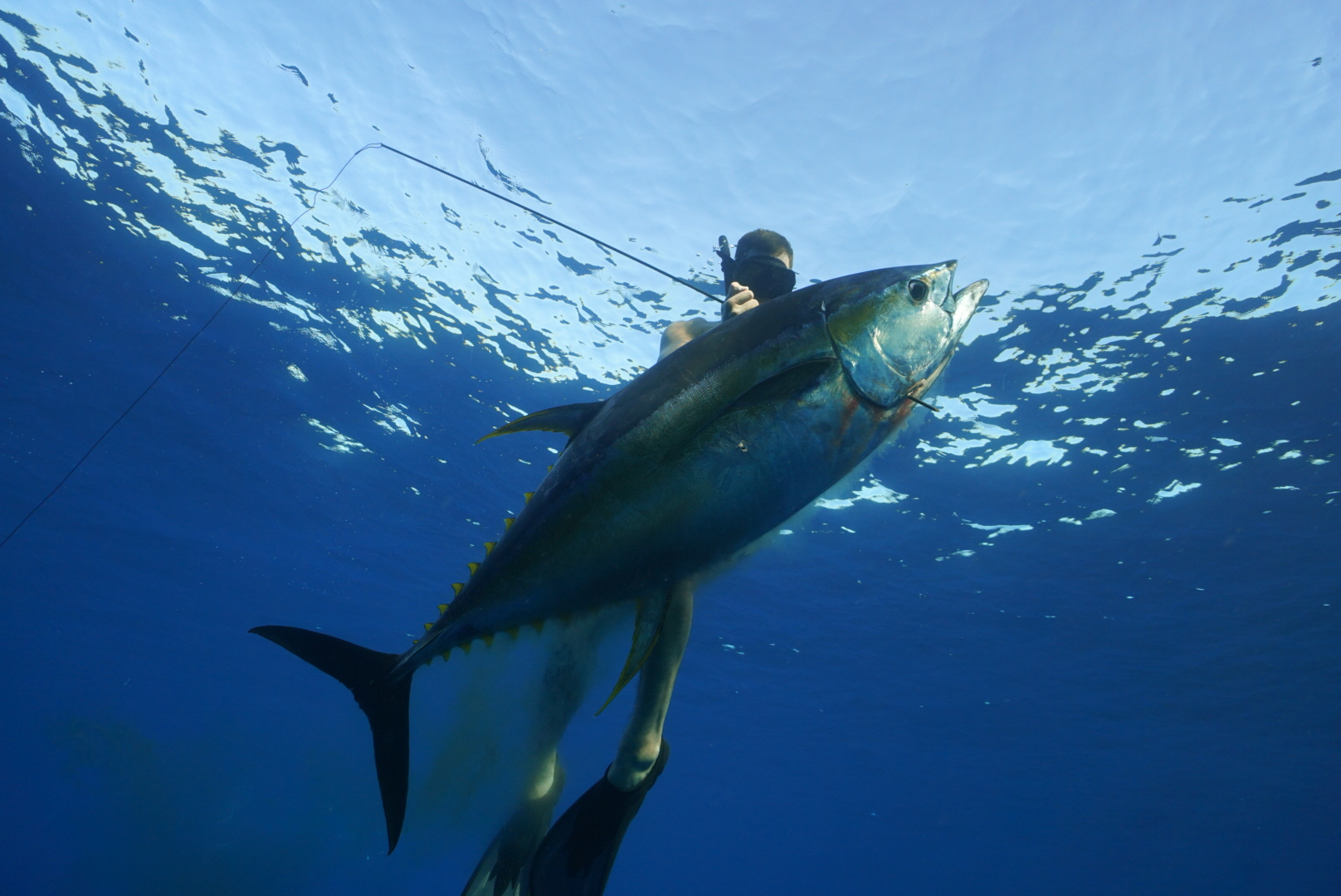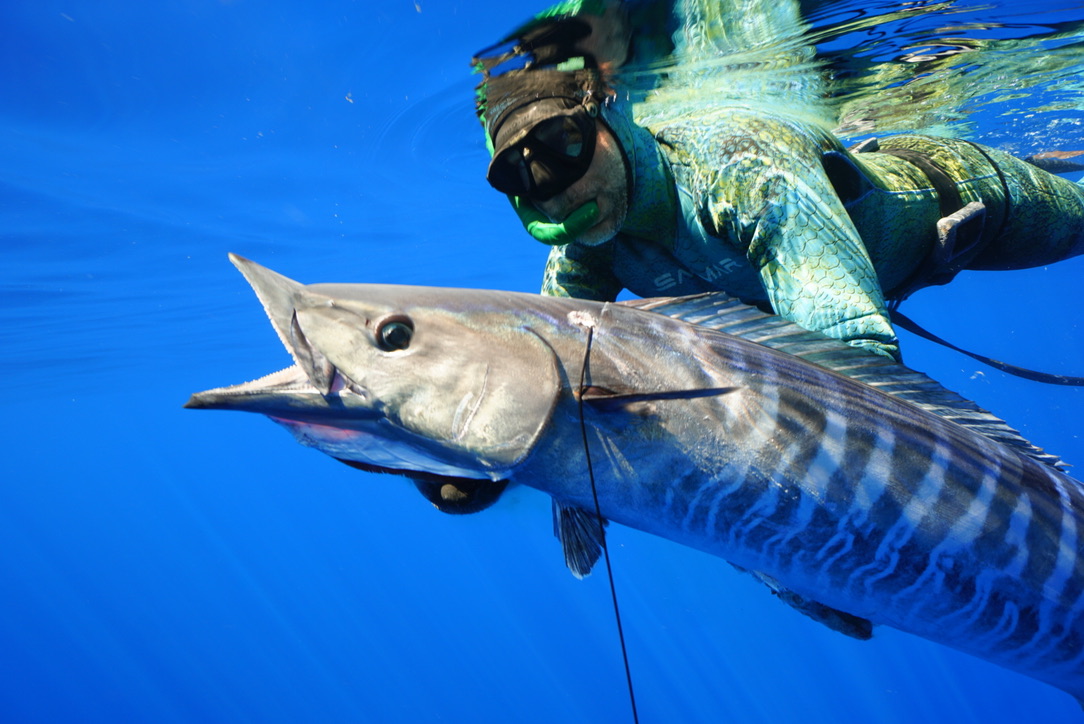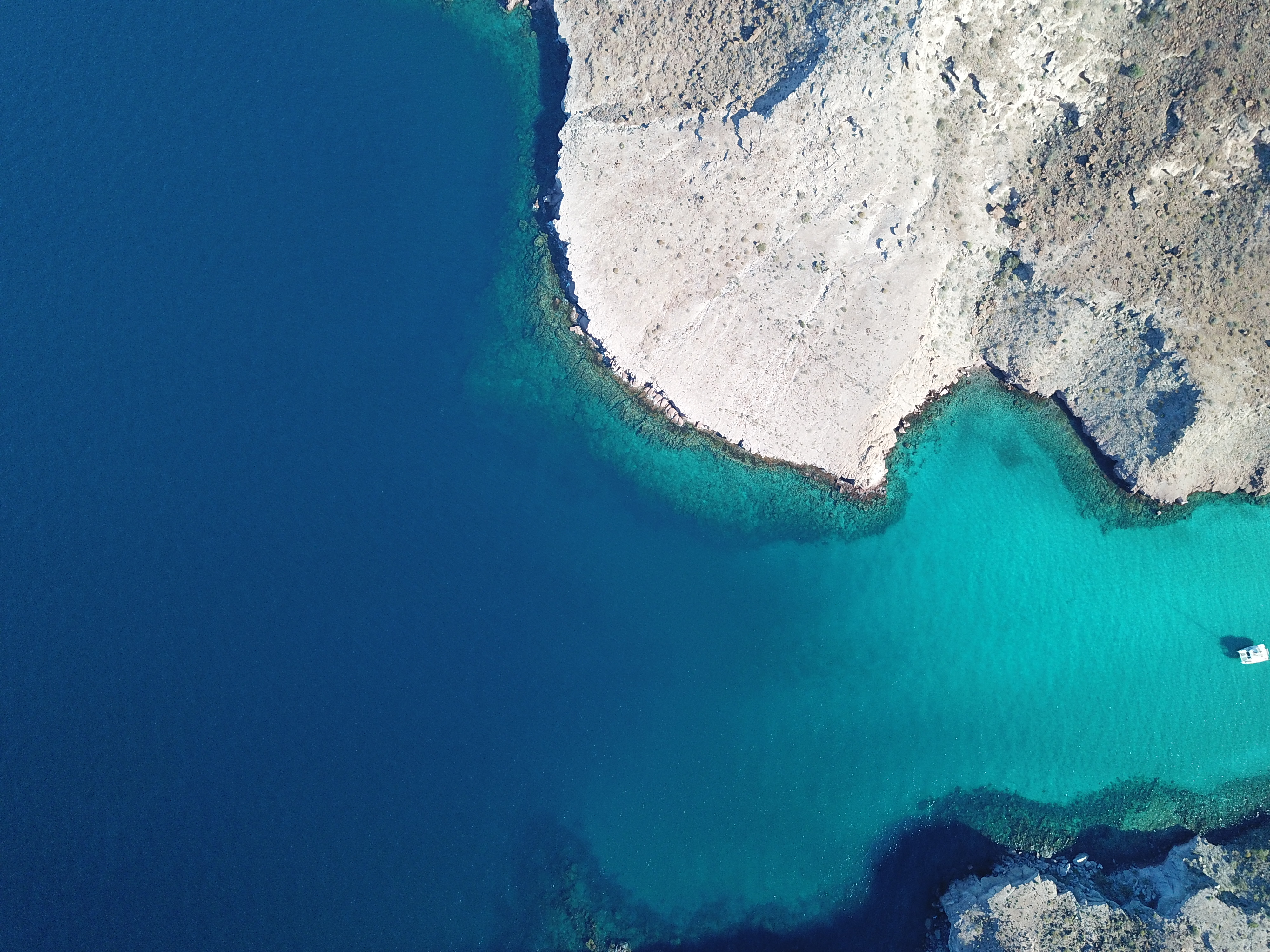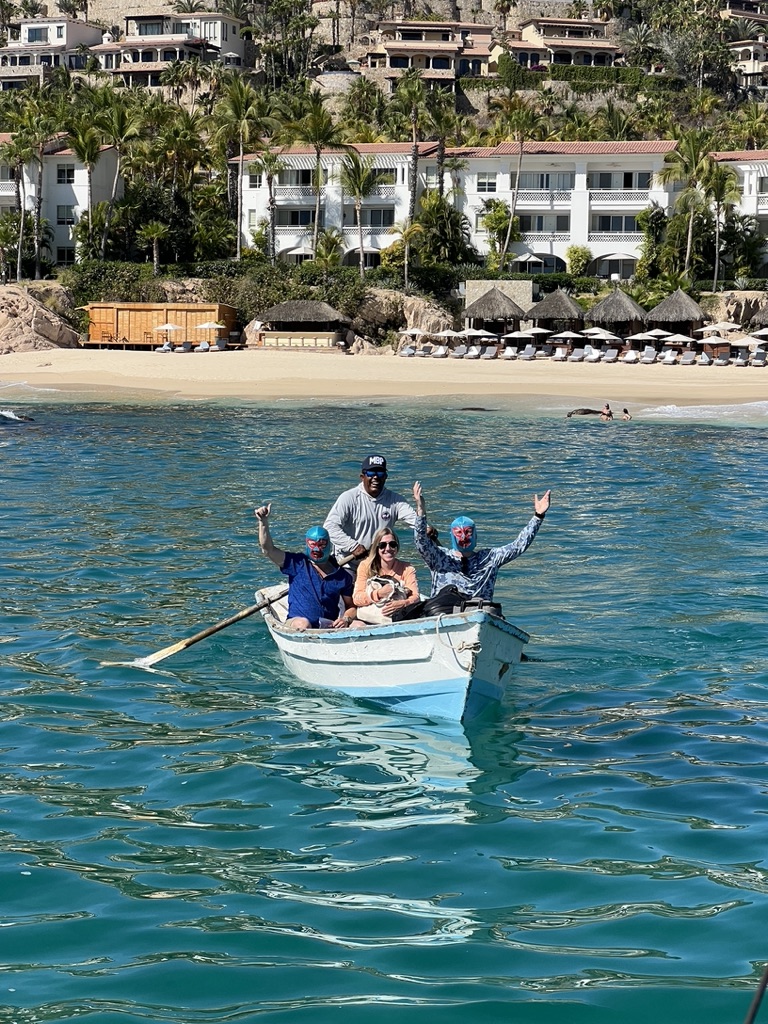
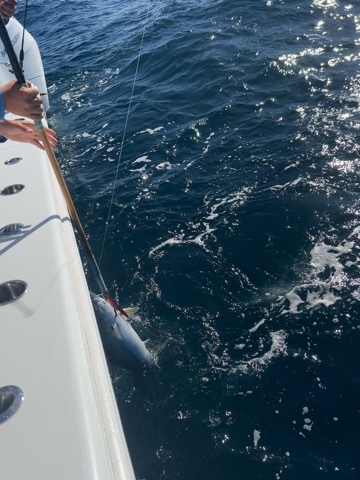
Bonito are abundant, easy to find, and pull harder for their size than almost anything else out here. They are also oily, dark and strong flavoured, so most of what we keep ends up cut for bait rather than on a plate. Great fun to catch. Nobody is booking a trip for the fillets.
Bonito are one of the most reliable fish off Cabo. They school, they follow bait, they show under the birds, and they will eat a trolled feather at almost any time of year. If the day is slow and somebody on board just wants a bend in the rod, bonito are usually the answer.
The name is loose here. Bonito properly refers to the Sarda species, but on this coast you will hear it applied to black skipjack and one or two other small, fast, striped members of the tuna family. On the deck the distinction rarely gets made, and we are not going to pretend it always does.
Out of proportion. A six pound bonito on light gear fights like a fish twice that weight, in tight circles, low and stubborn, and it does not give up early. Hand a first-time angler a bonito on twenty pound spinning gear and they will assume it is something much bigger. That is genuinely part of the appeal.
For anyone learning, they are close to ideal. Common enough to give a beginner repeated shots, strong enough that the lesson sticks, and small enough that nobody gets hurt.
Beginners are welcome on any trip we run, and nobody needs to arrive with their own tackle. Rod and reel rental is available, so you can turn up with nothing and still fish properly.
Birds. Bonito push bait to the surface and the birds give the school away from a long way off, so a lot of finding them is a matter of watching the horizon on the run out.
They also hold around the same offshore structure and current lines as everything else, and turn up in the spread while we are trolling for other fish. We catch them year round in this region, with warmer months generally producing the most.
Trolling small feathers, cedar plugs and skirted lures at normal trolling speed is the standard way, and it is how most of ours come aboard while we are looking for something else. Casting a metal jig into a working school is more fun if you want to make a job of it.
Light tackle is the right choice. On heavy gear a bonito is nothing. On a light spinning rod it is a proper fish.
Bonito are not good eating for most palates. The flesh is dark red, oily, and strongly flavoured, and it turns soft quickly if it is not handled well. Plenty of anglers try one, decide once was enough, and never keep another.
It is not inedible, and it improves a lot with treatment. Bled the moment it comes aboard, iced hard, and eaten the same day, the pale loin nearest the backbone can be quite good raw or seared rare. Some cooks brine it, or smoke it, or cook it in oil the way the Spanish and Italians do with similar fish, and the results are worth having. If somebody tells you bonito is superb, they almost certainly handled it properly and did something specific with it.
Do not take our word for it. Ask the crew to save you a loin and try it. Just do not build your dinner plans around the outcome.
Bait. Bonito is one of the best baits in this ocean. A fresh bonito belly strip, or a whole small one rigged and pulled slowly, is exactly what a marlin wants, and the same goes for big grouper and cubera on the bottom. Cut bait from a bonito outfishes almost anything you can buy.
So we keep what we can use and we release the rest, and there is nothing cynical about that. This is a fish that turns into other fish. Most days we take a couple early, put them on ice, and fish them later in the trip.
If you want to take bonito home to eat, we will clean it for you the same as anything else. We would rather you knew what you were getting first.
The short version of how a trip with Indigo Adventures works. Licences, deposits, boats and what happens to your catch. The full FAQ has the rest.
Read the full FAQ→Indigo Adventures is based in El Pescadero, on the Pacific side of Baja California Sur, a few minutes south of Todos Santos. Boats launch from three points: Punta Lobos beach in Todos Santos, San Jose del Cabo, and the Cabo San Lucas Marina. Which boat runs your trip decides where you meet us.
Custom fishing and spearfishing charters, freediving excursions, whale watching from mid December to April, and kayaking. Every trip is built around your group, your dates and the conditions rather than a fixed timetable, and almost every one goes out private.
Book online on the Book Now page, where availability is live and a 50 percent deposit holds the date. If you would rather we picked the trip, send an enquiry with who is coming, when you are here and what you want out of the day, and we will say which trip fits and which one does not.
No. Everyone fishing in Mexican waters needs a Mexican sportfishing licence, and each angler buys their own. We help you arrange it before the day so nobody is sorting paperwork on the dock. The same licence covers rod and spear.
Rarely. Almost every trip goes out as a private boat for you and your group. If a split makes sense for a small party we will say so when you enquire.
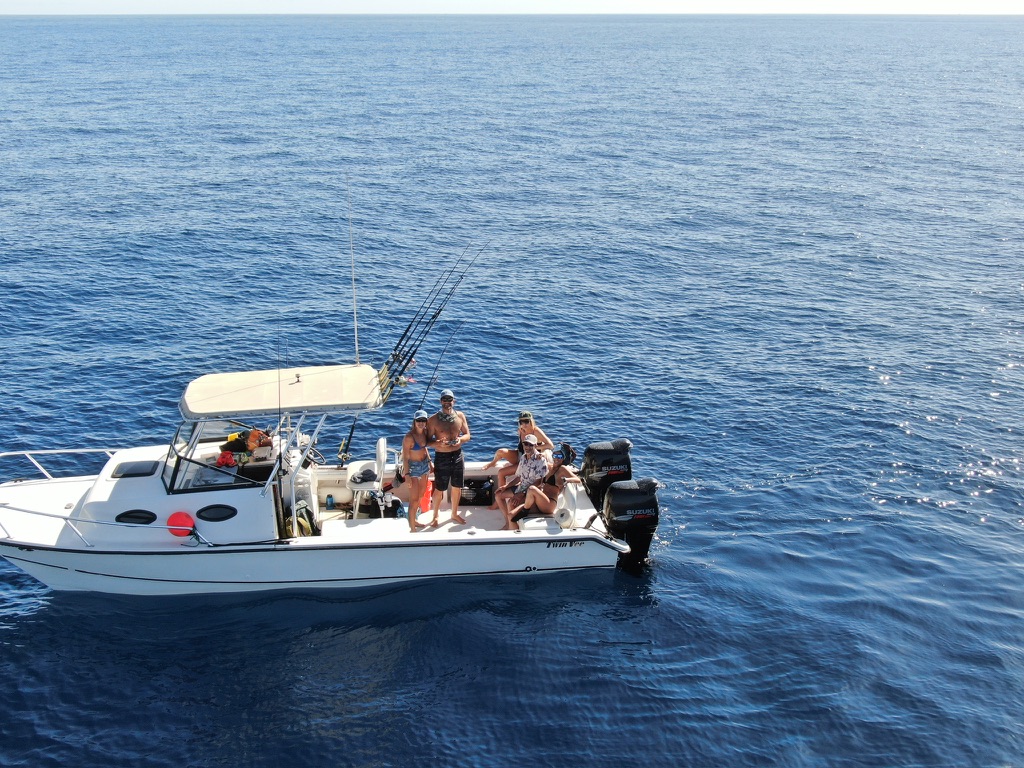
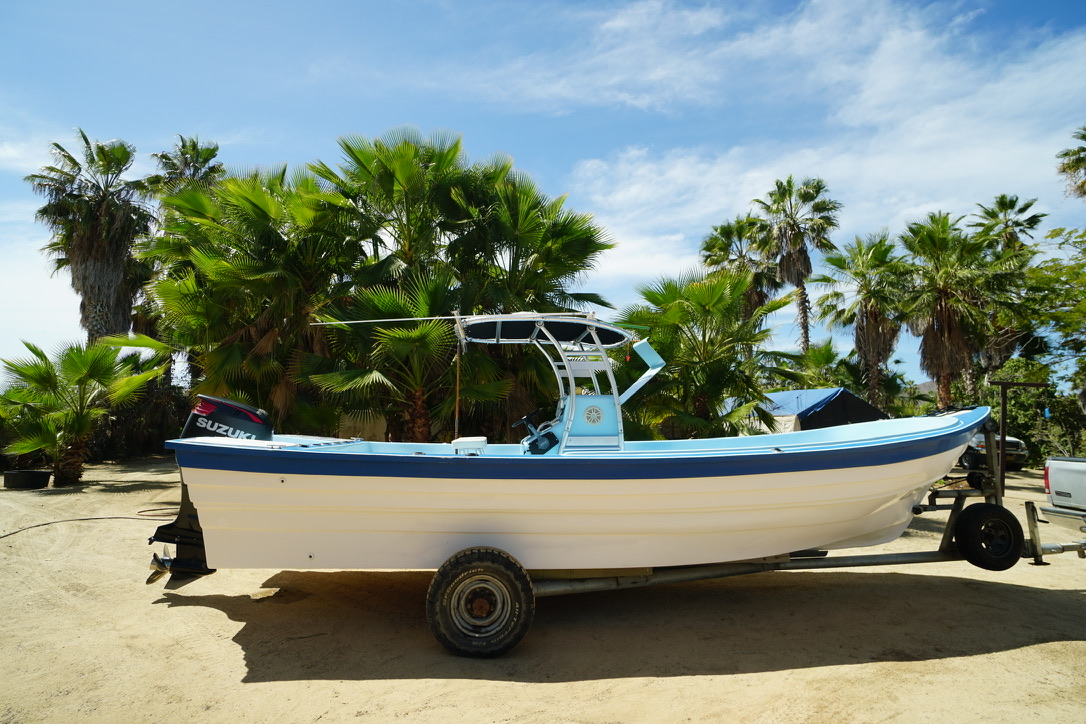
Three on the 24 foot Punta Lobos panga, up to four on La Ruca and La Morita, and up to six on Don Pancho and El Wahoo King. Whale watching numbers run a little higher because nobody is swinging a rod.
Yes. The catch goes home with you. Filleting at the dock, vacuum sealing and freezing are available, and most guests fly home with a cooler. Marlin are mostly released, with judgement on the day.
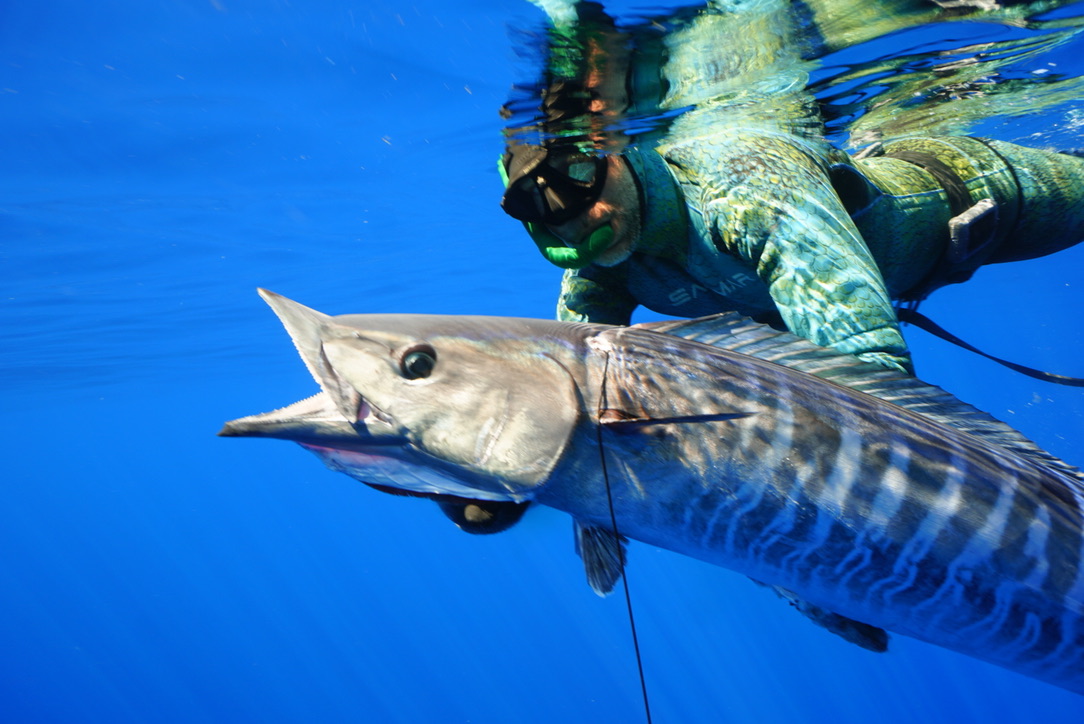
Yes, on fishing days. The crew rigs and handles the gear and hands you the rod when something eats. Guided spearfishing needs breath-hold experience and runs on a strict buddy system, which is the only legal way to spearfish in Mexico. Water, ice and snacks are normally aboard.