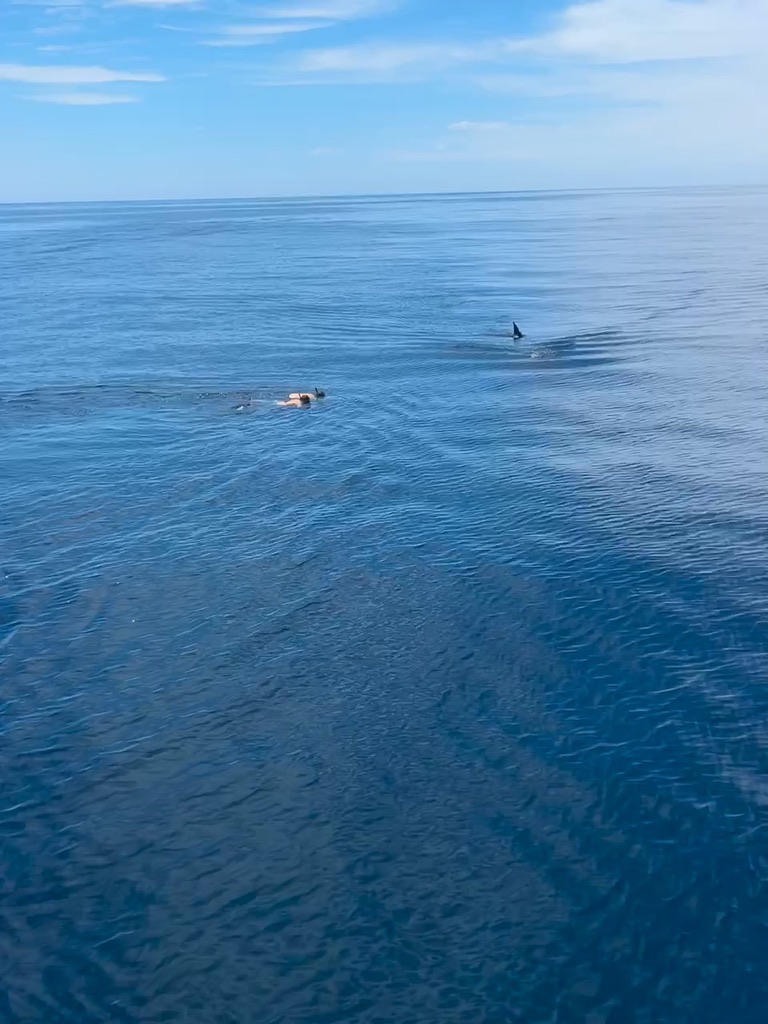
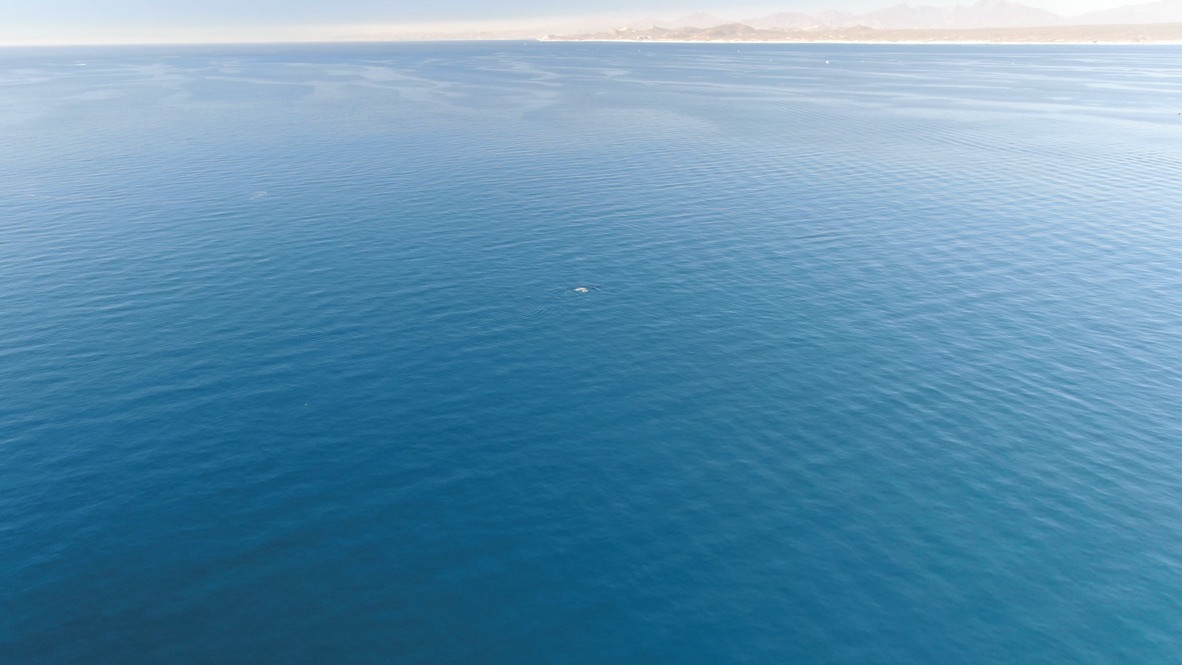
Sailfish are a summer and fall visitor here, and pound for pound they put on the best show of any billfish we catch. Lighter than a marlin, faster on the surface, and when one lights up behind a bait with the sail raised, nobody on the boat is looking anywhere else.
If a striped marlin is the fish Cabo is built on, sailfish is the one people take the most video of. That enormous dorsal fin comes up, the fish turns electric blue down the flanks, and it happens right on the surface in full view.
They are not big fish by billfish standards. Most of what we see runs under a hundred and twenty pounds. That is exactly why they are fun. On appropriately sized tackle a sailfish gives you a fast, jumping, close range fight that a heavier fish simply cannot.
Sailfish want warm water, and they arrive as the water heats up. The window runs roughly through summer and into fall, with the strongest stretch through the late summer and early fall months.
In the cooler part of the year they thin out considerably and striped marlin takes over as the billfish you are most likely to see. If sailfish is specifically what you want, come in the warm season.
Offshore, in warm blue water, often around the same structure and current edges that hold everything else. Temperature breaks are worth a look. So are bait schools and floating debris, which concentrate small fish and everything that eats them.
Sailfish are frequently caught on the same runs and in the same spread as dorado and blue marlin. A summer offshore day is a mixed bag day, and sailfish is one of the good outcomes.
Trolling for the search, then teasing and bait for the eat.
Sailfish are curious and they will follow. Very often the sequence is that a fish comes up on a hookless teaser, gets worked up chasing something it cannot catch, and then we pull the teaser away and drop a bait in front of it. That switch is where the fish commits.
Then comes the drop back. You feed line to the fish without tension, let it turn the bait and swallow, and only then come tight. Come tight too early and you pull the bait out of its mouth, which is the single most common way sailfish get lost. We will coach you through it in the moment, and it is worth practicing the motion before it happens.
Circle hooks are standard for this and for good reason. They set in the corner of the jaw, they cause far less damage, and they make release cleaner.
You can catch a sailfish on heavy gear and it will be over quickly and be boring. Matched tackle is what makes this fish worth the trip. We will set you up appropriately.
Anglers with some experience often ask to go lighter still. We are happy to do that when conditions allow, with the caveat that a long fight on light gear is harder on the fish, and we will not push it to the point where release becomes questionable.
Sailfish are not a table fish and they go back in the water. That is what happens on the overwhelming majority of trips and it is what you should expect when you book. It is the captain's call on the day rather than a fixed rule, but with a sailfish the default is a strong one and it rarely shifts.
Hook out, quick photo boatside with the fish in the water, and a revive alongside the boat until it kicks off on its own.
Handle a billfish out of the water for a photograph and you have materially reduced its odds. We do not do it and we will politely say no if asked.
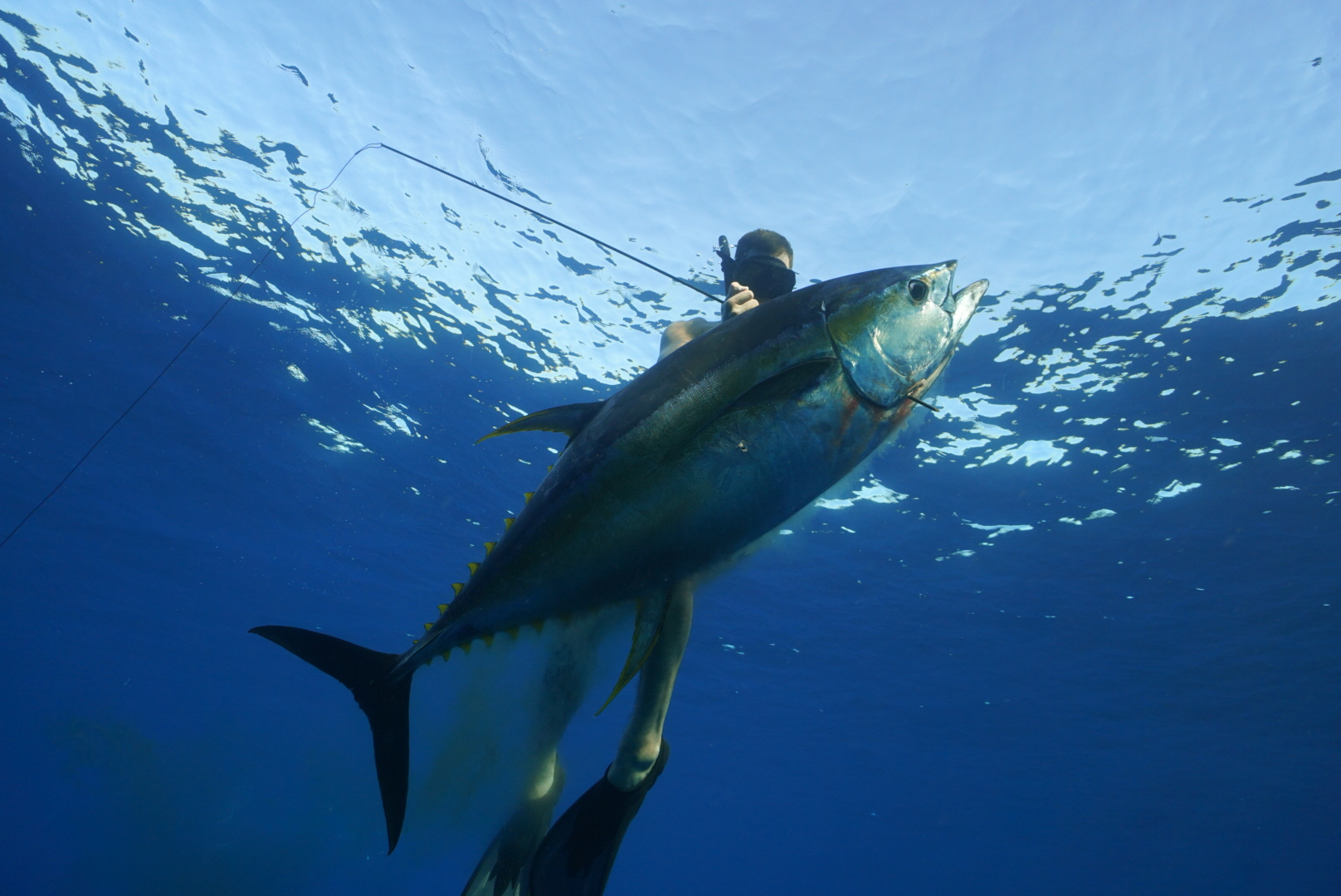
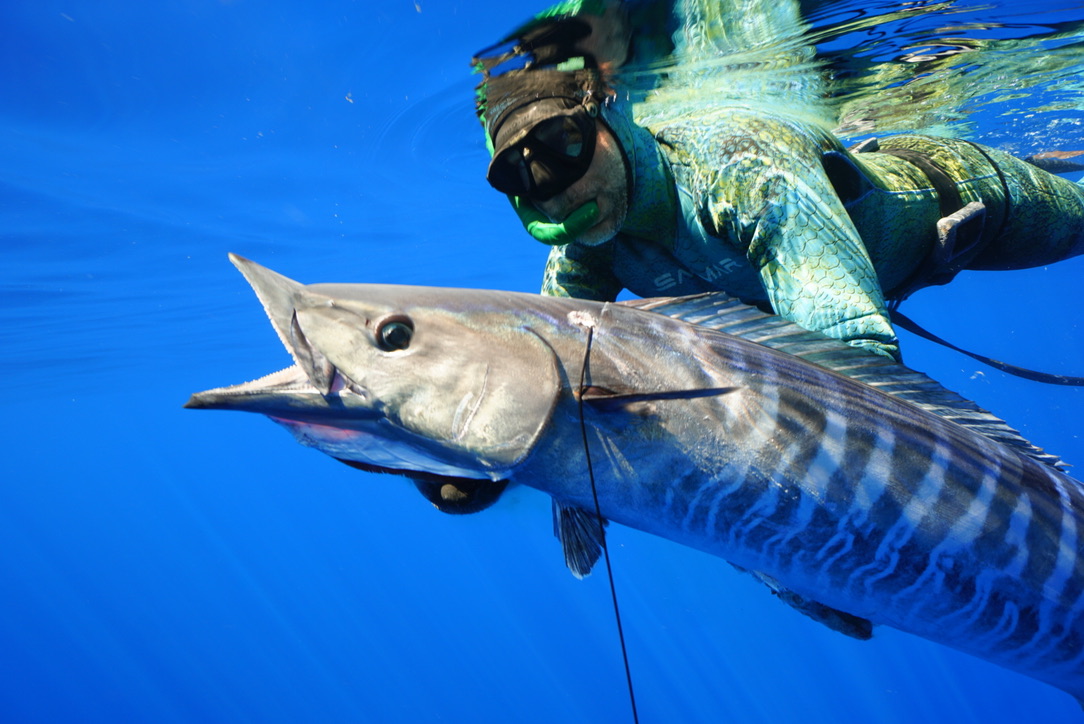
A full day offshore in the warm season gives you the best shot, and the same day will usually put dorado and possibly tuna in the box if you want fish to eat. Departure is typically to confirm.
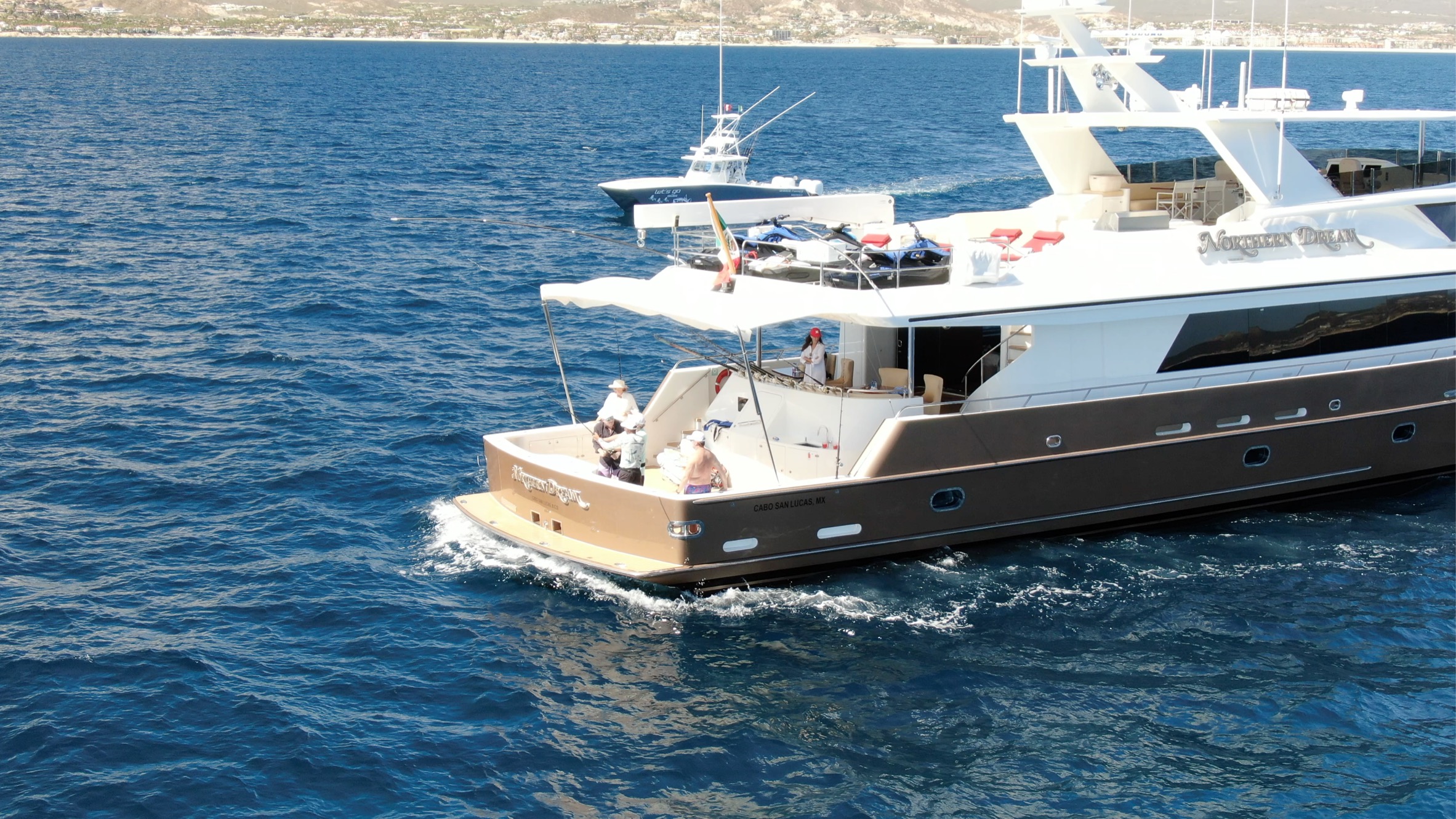
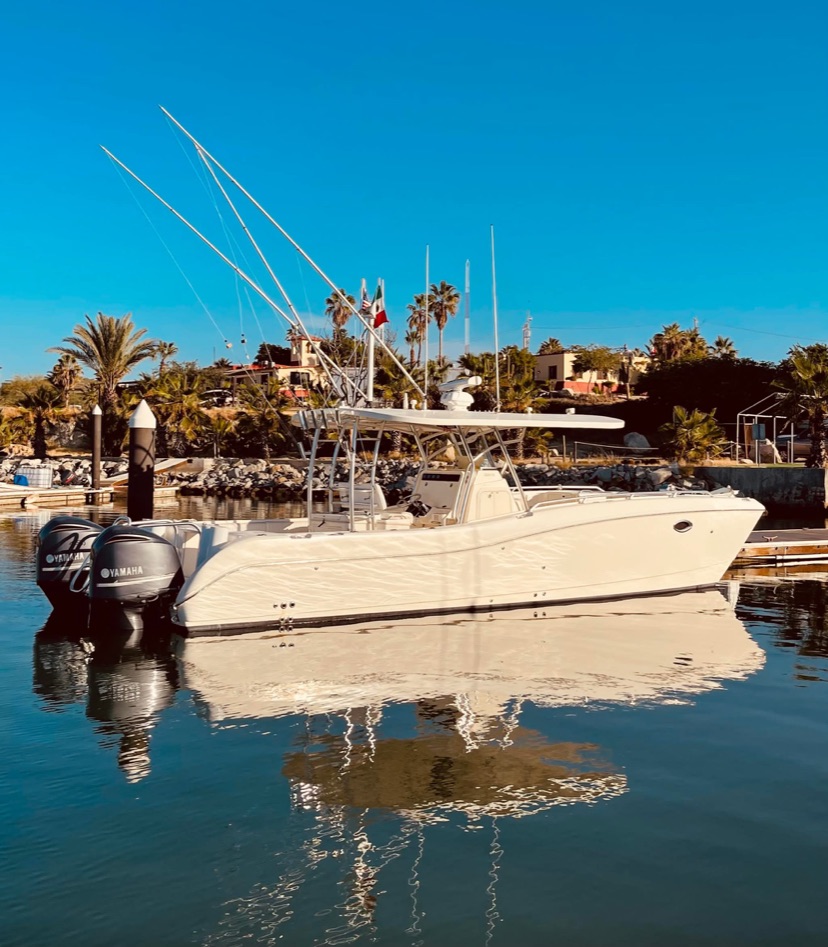
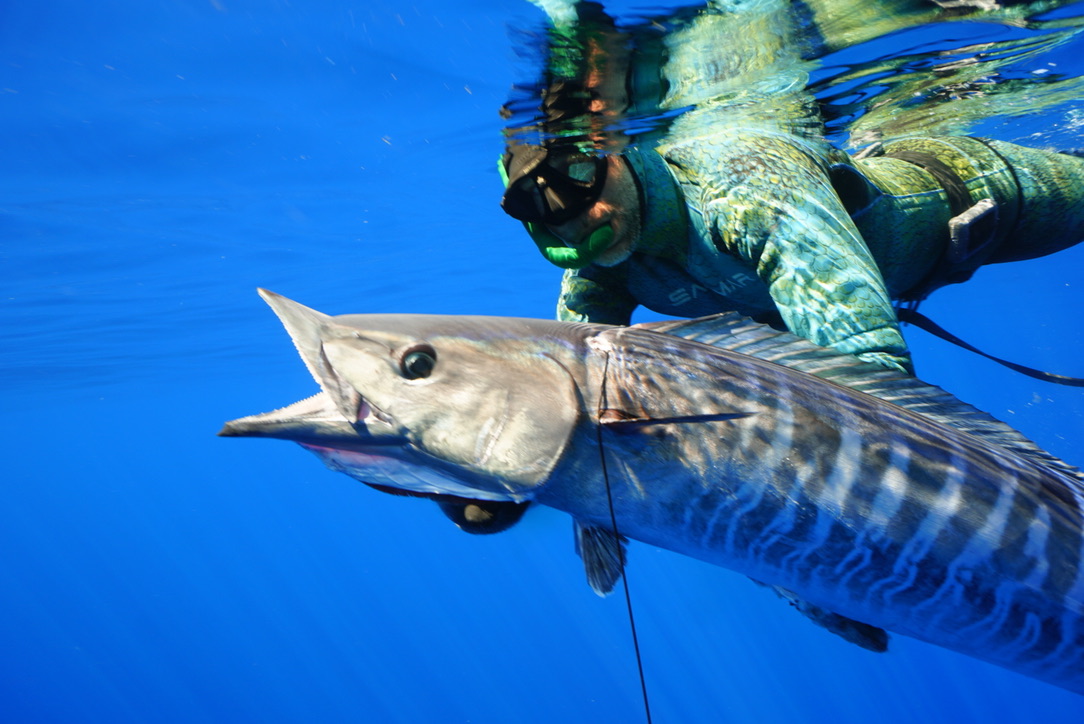
The short version of how a trip with Indigo Adventures works. Licences, deposits, boats and what happens to your catch. The full FAQ has the rest.
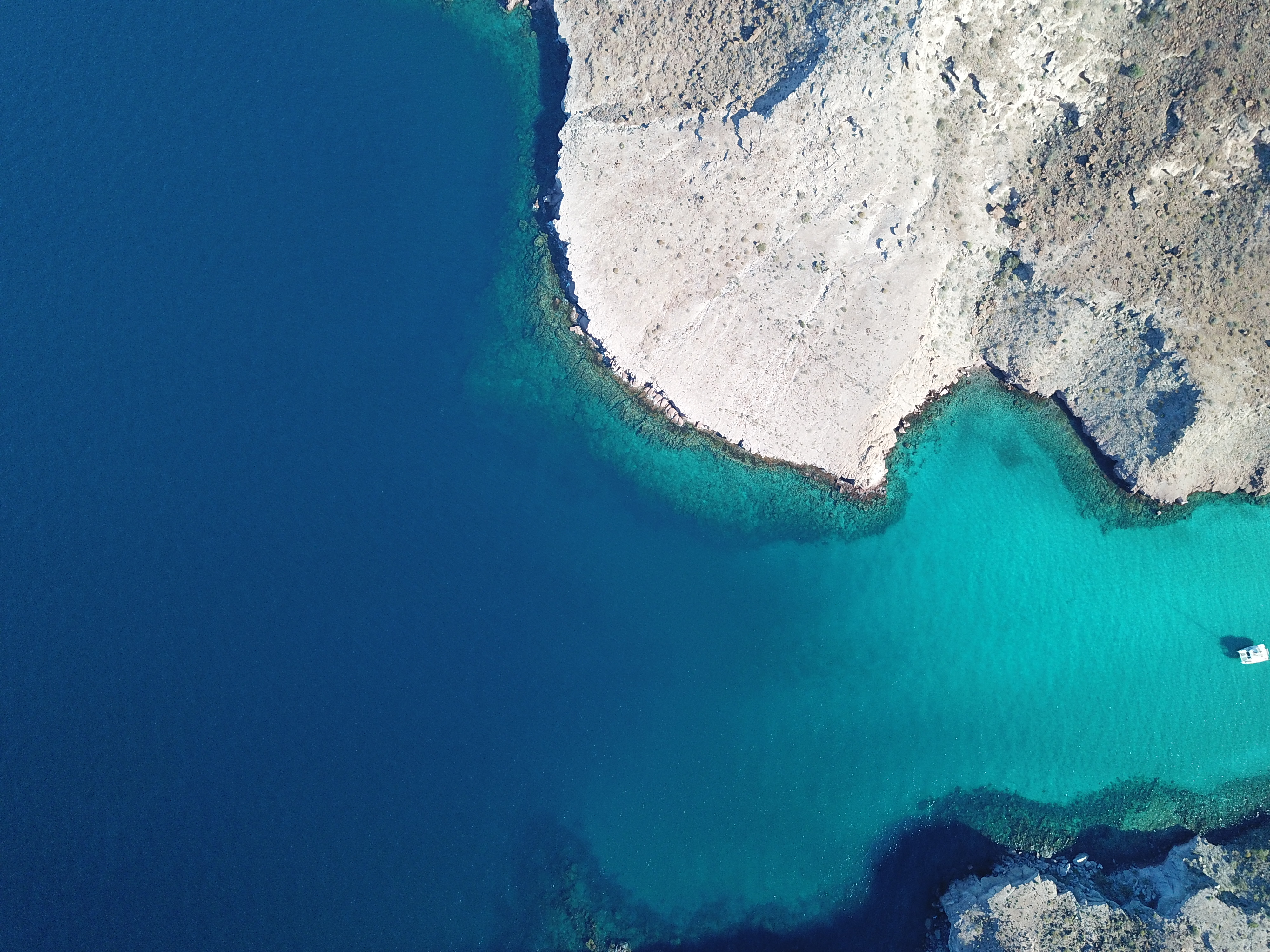
Read the full FAQ→Indigo Adventures is based in El Pescadero, on the Pacific side of Baja California Sur, a few minutes south of Todos Santos. Boats launch from three points: Punta Lobos beach in Todos Santos, San Jose del Cabo, and the Cabo San Lucas Marina. Which boat runs your trip decides where you meet us.
Custom fishing and spearfishing charters, freediving excursions, whale watching from mid December to April, and kayaking. Every trip is built around your group, your dates and the conditions rather than a fixed timetable, and almost every one goes out private.
Book online on the Book Now page, where availability is live and a 50 percent deposit holds the date. If you would rather we picked the trip, send an enquiry with who is coming, when you are here and what you want out of the day, and we will say which trip fits and which one does not.
No. Everyone fishing in Mexican waters needs a Mexican sportfishing licence, and each angler buys their own. We help you arrange it before the day so nobody is sorting paperwork on the dock. The same licence covers rod and spear.
Rarely. Almost every trip goes out as a private boat for you and your group. If a split makes sense for a small party we will say so when you enquire.
Three on the 24 foot Punta Lobos panga, up to four on La Ruca and La Morita, and up to six on Don Pancho and El Wahoo King. Whale watching numbers run a little higher because nobody is swinging a rod.
Yes. The catch goes home with you. Filleting at the dock, vacuum sealing and freezing are available, and most guests fly home with a cooler. Marlin are mostly released, with judgement on the day.
Yes, on fishing days. The crew rigs and handles the gear and hands you the rod when something eats. Guided spearfishing needs breath-hold experience and runs on a strict buddy system, which is the only legal way to spearfish in Mexico. Water, ice and snacks are normally aboard.