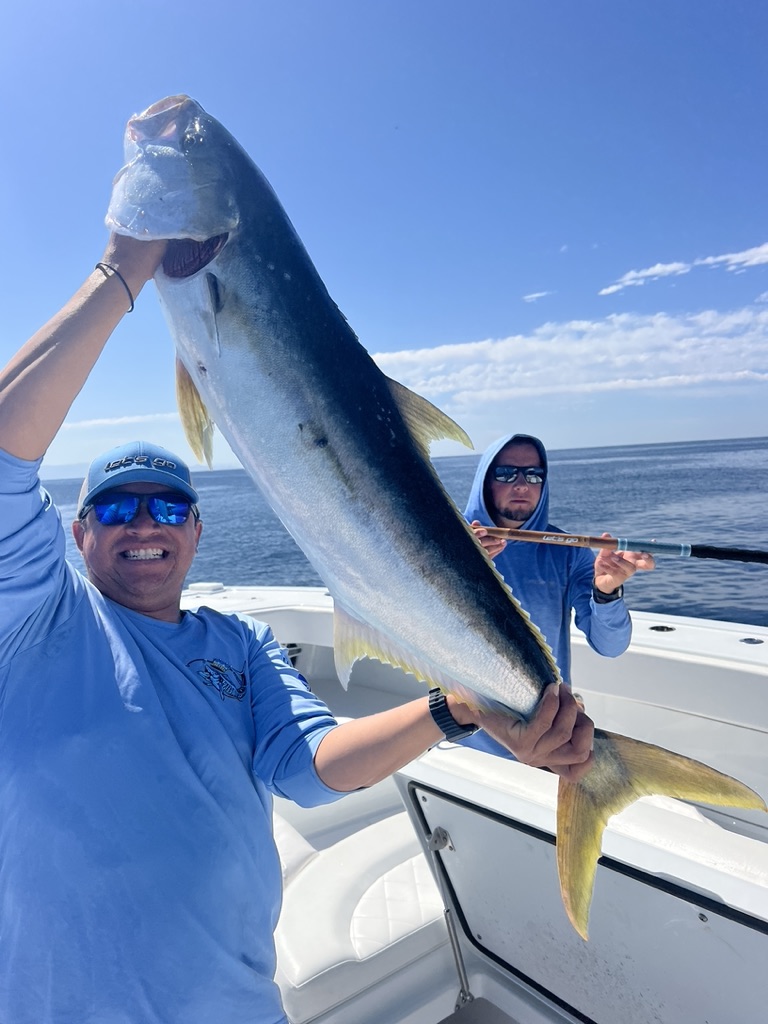
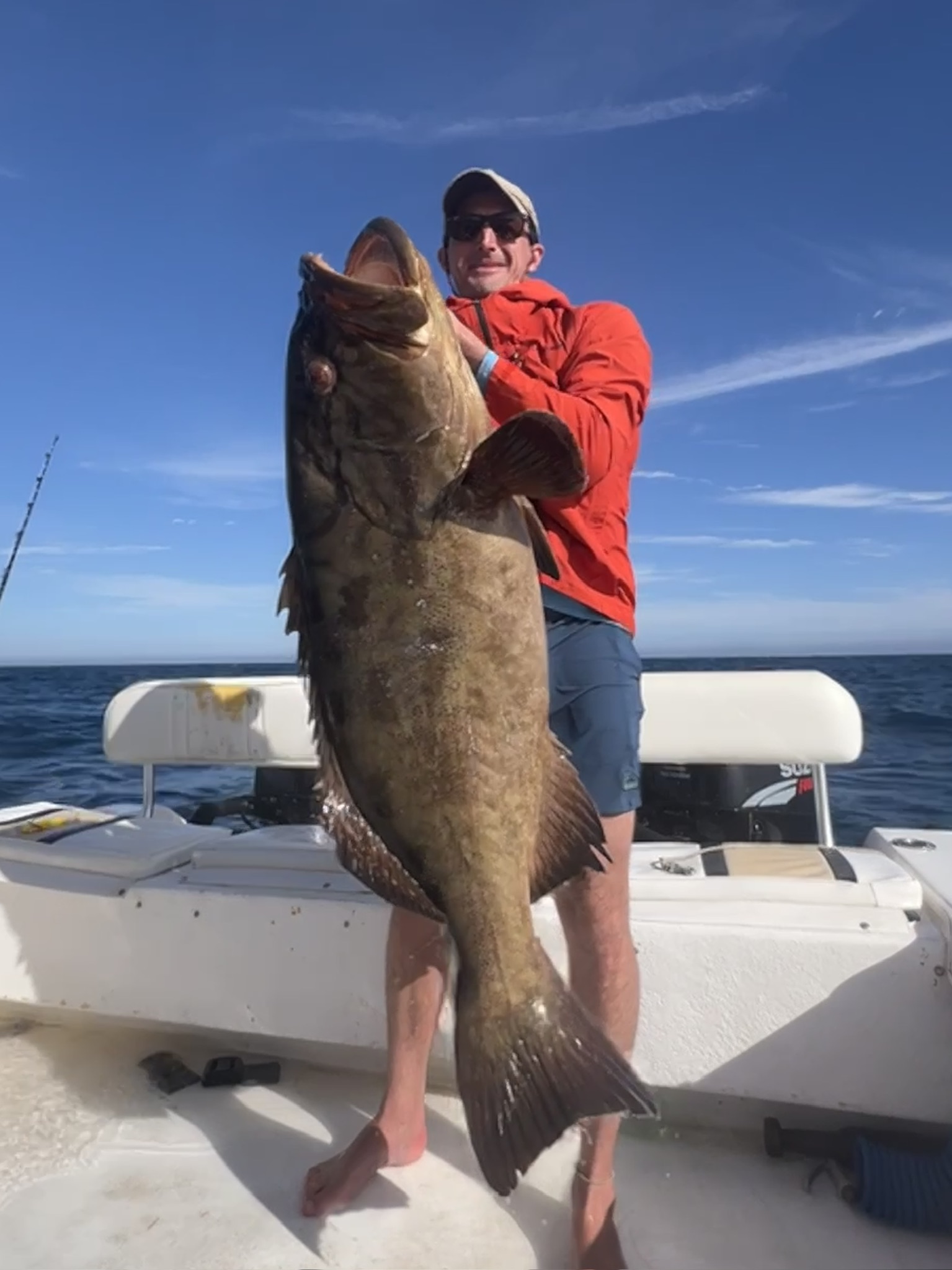
Grouper are a bottom fish with a short temper. They sit in the rock, they inhale a jig, and they get straight back into the hole before you have worked out what happened. They are excellent eating, which is part of the problem. They grow slowly, so we are careful about how many come home.
Grouper off Cabo covers a handful of species rather than one. The two we see most are the leopard grouper, Mycteroperca rosacea, which locals call cabrilla, and the broomtail grouper, Mycteroperca xenarcha, named for the ragged trailing edge on its tail. A few others turn up less often.
They vary in colour, and the leopard grouper in particular can show up in a bright golden phase that looks like a completely different fish. It is not. It is the same species wearing a different coat, and it always causes a discussion on deck.
Rock and reef, from shallow inshore boulder fields out to deeper pinnacles and ledges. Grouper are ambush feeders. They pick a hole with a good view, they sit in it, and they eat whatever comes past close enough. That behaviour is why finding the fish is really about finding the right structure.
We fish specific pieces of ground rather than drifting hopefully. A grouper spot that produced last month will usually produce again, because when one fish is taken off a hole another moves into it within a few weeks.
Two ways, mostly.
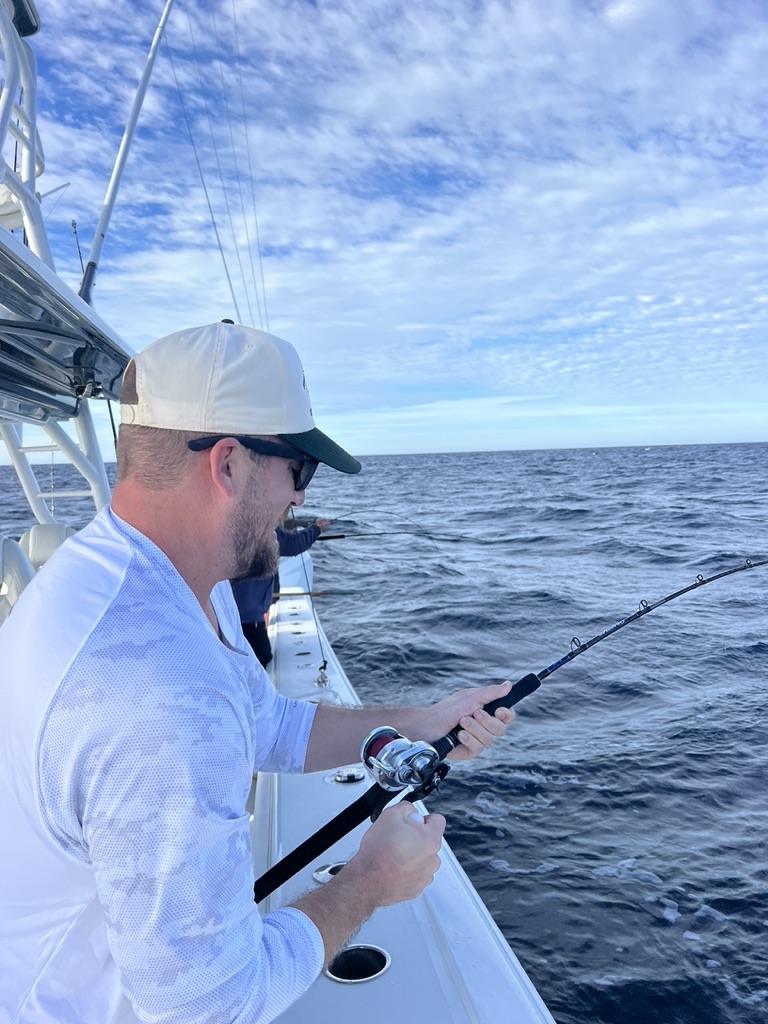
Either way the tackle is heavy and the drag is set tight. Grouper do not run far. They run down and in, a short distance to the hole, and if they reach it the fight is over. Most fish are lost in the first few seconds, close to the bottom, before anyone has really started.
The trick is to keep the fish coming from the moment it bites. Once you have it fifteen or twenty feet off the structure you have almost certainly won.
Grouper are available most of the year in this region, which makes them a useful fish to have on the list when the offshore bite is slow or the wind keeps us close to the coast. Cooler months tend to be steady. Warm months fish well too, though the inshore rock gets busier with snapper and jacks competing for the same bait.
Current and light have more day-to-day effect than season. A moving tide over rock is what we want.
Grouper is superb on the plate. White, thick-flaked, mild, and forgiving to cook. Fried in tacos, grilled in thick pieces, or in a soup, it is one of the best fish that comes off this coast and it is the reason grouper is on every menu in town.
Here is the honest part. Grouper grow slowly, they live a long time, and several species change sex as they age, so the biggest fish on a piece of rock is often the one holding the local population together. They are also easy to overfish because they do not move much. Take too many off one spot and the spot is finished for years.
So we keep a couple for dinner and we release the rest, and we put the very large ones back regardless of what the day has been like. If you have come for a cooler full of fillets, we will fish for something more abundant. Nobody on this boat is going to argue with you about it, but we will say what we think.
Fish brought up quickly from deep water can suffer barotrauma, with the stomach pushed out of the mouth and the fish unable to swim back down. If we intend to release deep-caught grouper we use a descending device to get the fish back to depth, which greatly improves the odds it survives. If you have not seen one used, ask the crew and they will show you.
The short version of how a trip with Indigo Adventures works. Licences, deposits, boats and what happens to your catch. The full FAQ has the rest.
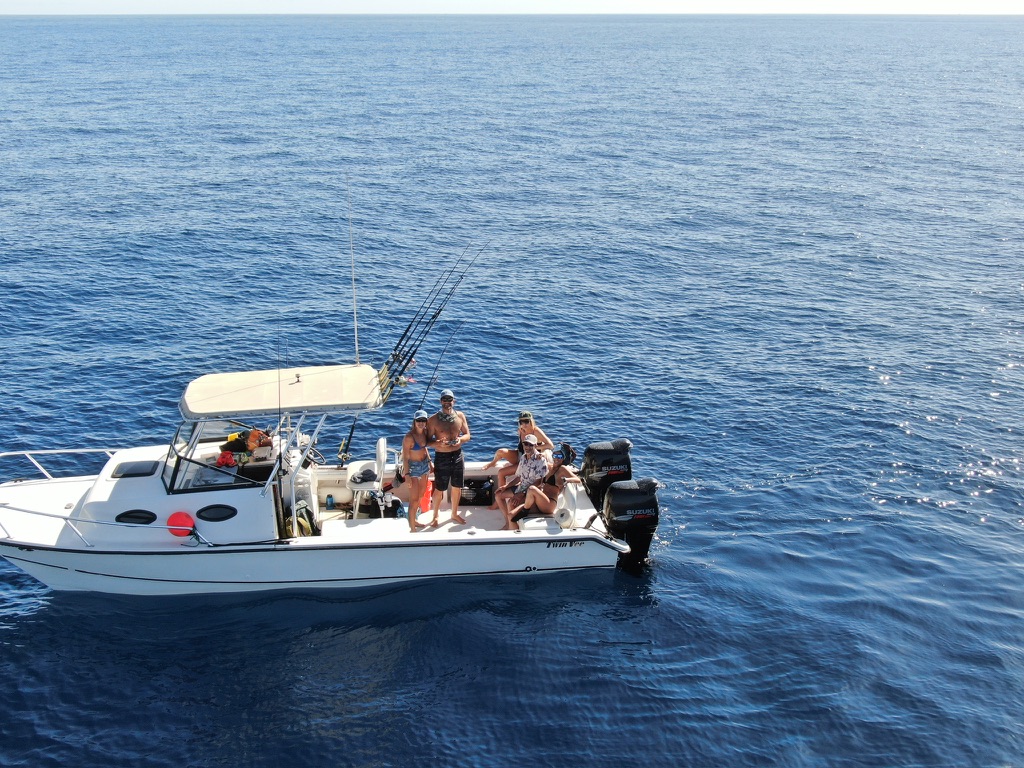
Read the full FAQ→Indigo Adventures is based in El Pescadero, on the Pacific side of Baja California Sur, a few minutes south of Todos Santos. Boats launch from three points: Punta Lobos beach in Todos Santos, San Jose del Cabo, and the Cabo San Lucas Marina. Which boat runs your trip decides where you meet us.
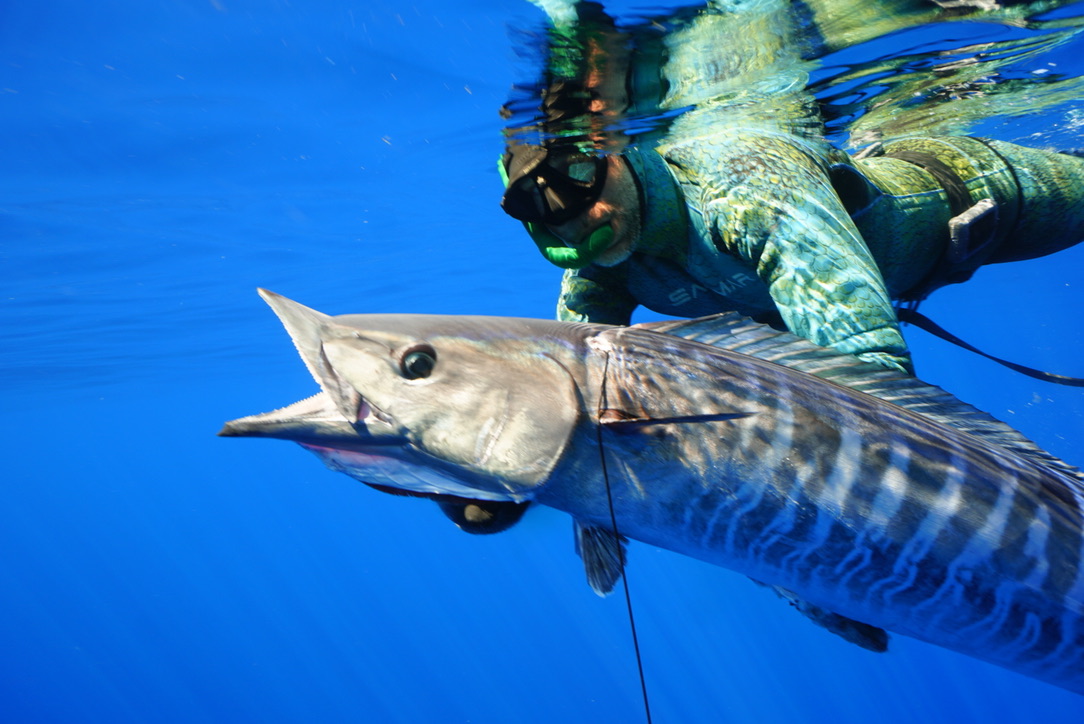
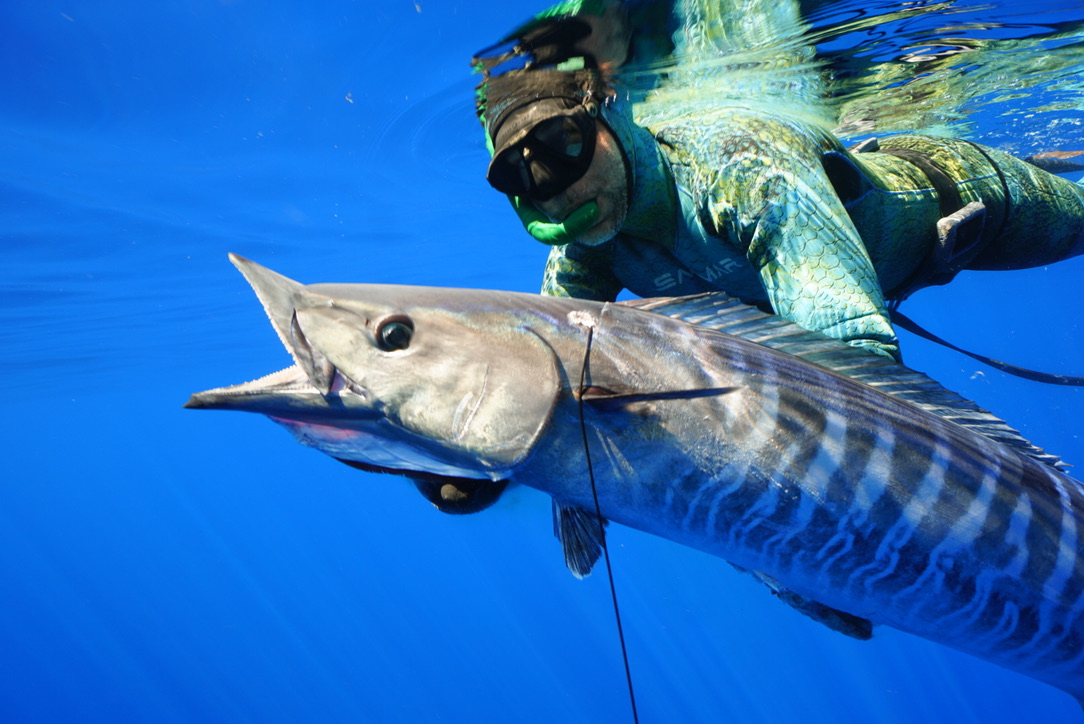
Custom fishing and spearfishing charters, freediving excursions, whale watching from mid December to April, and kayaking. Every trip is built around your group, your dates and the conditions rather than a fixed timetable, and almost every one goes out private.
Book online on the Book Now page, where availability is live and a 50 percent deposit holds the date. If you would rather we picked the trip, send an enquiry with who is coming, when you are here and what you want out of the day, and we will say which trip fits and which one does not.
No. Everyone fishing in Mexican waters needs a Mexican sportfishing licence, and each angler buys their own. We help you arrange it before the day so nobody is sorting paperwork on the dock. The same licence covers rod and spear.
Rarely. Almost every trip goes out as a private boat for you and your group. If a split makes sense for a small party we will say so when you enquire.
Three on the 24 foot Punta Lobos panga, up to four on La Ruca and La Morita, and up to six on Don Pancho and El Wahoo King. Whale watching numbers run a little higher because nobody is swinging a rod.
Yes. The catch goes home with you. Filleting at the dock, vacuum sealing and freezing are available, and most guests fly home with a cooler. Marlin are mostly released, with judgement on the day.
Yes, on fishing days. The crew rigs and handles the gear and hands you the rod when something eats. Guided spearfishing needs breath-hold experience and runs on a strict buddy system, which is the only legal way to spearfish in Mexico. Water, ice and snacks are normally aboard.