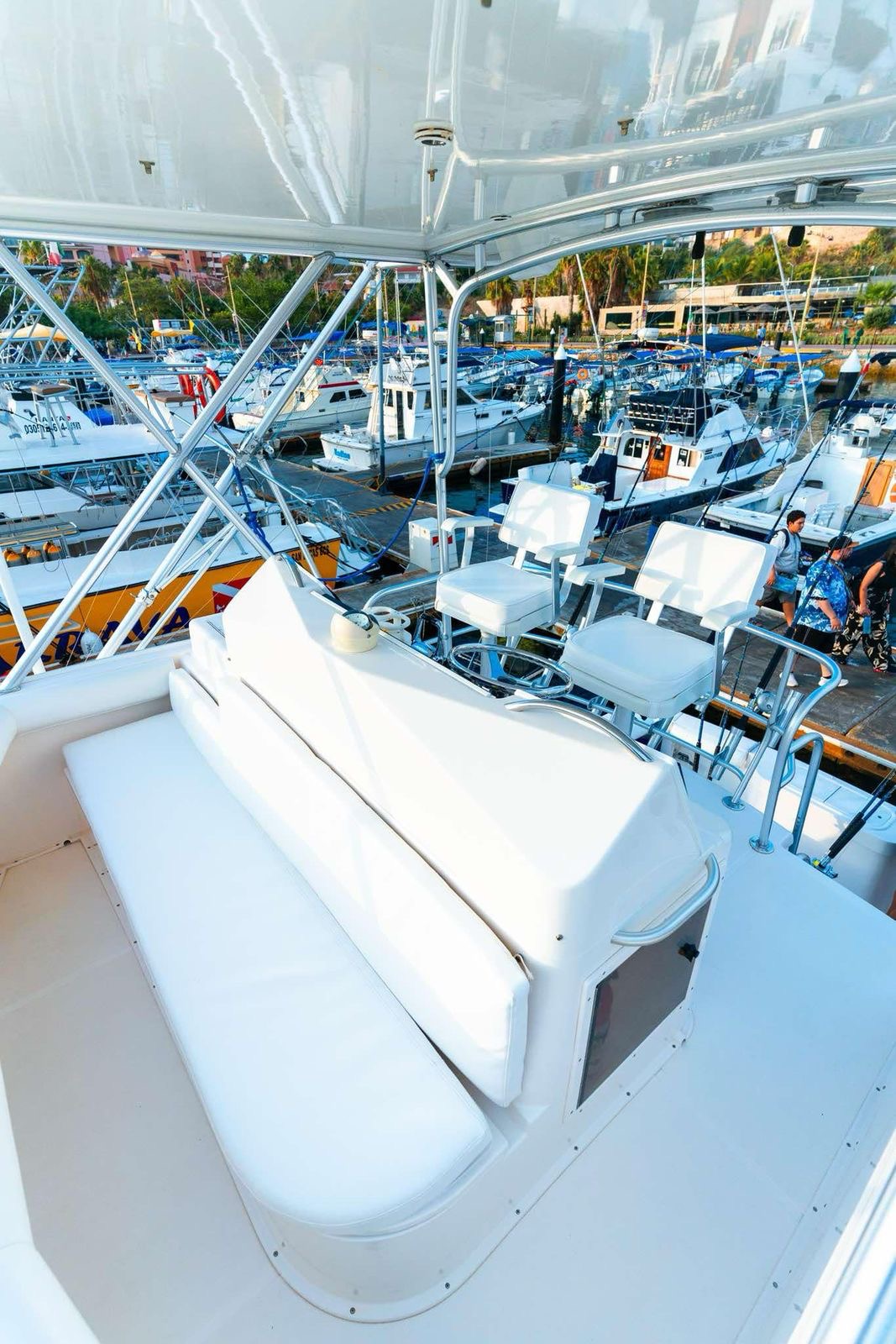
Jigging is fishing straight down. You drop a weighted metal lure to a mark on the sounder and work it back up with the rod and the reel so it darts and flutters like a wounded baitfish. It is the most physical fishing on the boat. It is also the way to reach fish that never come near the surface.
A jig is a piece of shaped metal, usually lead or zinc, heavy enough to reach the bottom in current. It has no action of its own. Everything it does comes from you and from gravity. The shape decides how it behaves. A long thin jig sinks fast and darts hard. A wide leaf shaped jig sinks slowly and flutters side to side on the drop, which is what triggers most bites.
Hooks sit on short cords at the top of the jig, called assist hooks, rather than trebles hanging off the bottom. Assist hooks hook fish in the top of the mouth on the fall, tangle less around the line, and do far less damage to a fish you intend to put back.
Jigging is not random. The crew is looking at the sounder for structure and for fish. Hard bottom, pinnacles, drop offs and the edges of banks hold fish because they hold current and bait. Off Cabo that means the underwater high spots and ledges rather than open blue water.
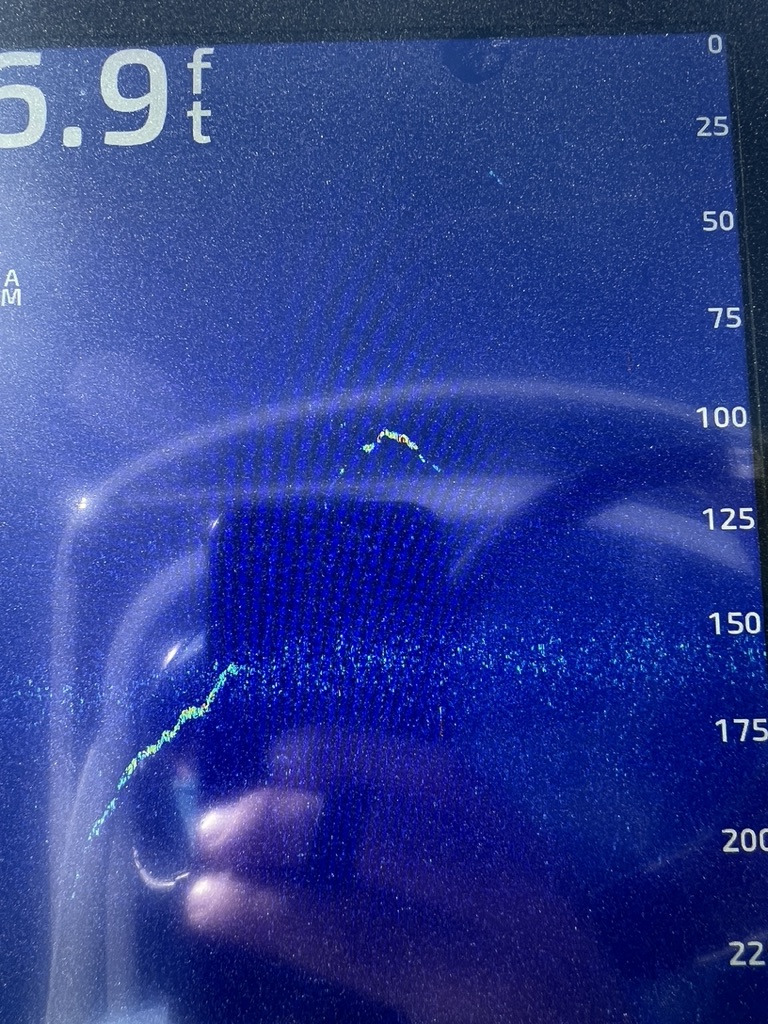
Marks on the screen tell you what depth to work. A tight cluster sitting hard on the bottom is usually something like grouper, cabrilla or pargo holding in structure. A loose cloud fifty or a hundred feet up is bait, and the arches near it are the predators using it. You do not need to fish the whole water column. Fish the part of it that is holding something.
Two styles, and they are genuinely different things.
Speed jigging, sometimes called vertical jigging, uses a narrow jig ripped back up with a long sweep of the rod and a fast wind. It imitates a baitfish fleeing straight up. It gets reaction strikes from fish that chase, including amberjack, tuna and jack crevalle. It is hard work and it is supposed to be.
Slow pitch jigging uses a flat, wide jig and a soft, parabolic rod. You lift the rod, then let it drop, and the jig flutters sideways on a slack line. The bite almost always comes on that fall. It catches fish that will not chase, including bottom species and fish that have gone off the feed, and it is far less tiring. It is fussier about matching rod, jig weight and line.
Whatever the style, the pattern is the same. Drop with the spool under light thumb control so the line stays vertical and does not overrun. Watch your line angle. If the line is streaming away at forty five degrees you are no longer jigging, you are dragging, and you should reel up and start the drop again.
Then work it. In speed jigging, one crank of the handle for every sweep of the rod, in a rhythm you can hold for twenty or thirty turns. In slow pitch, lift, give slack, let it fall, lift again, and let the jig do its own work on the way down.
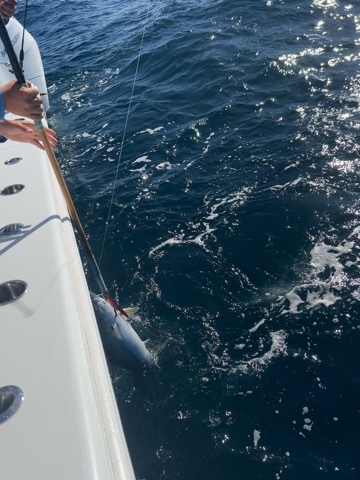
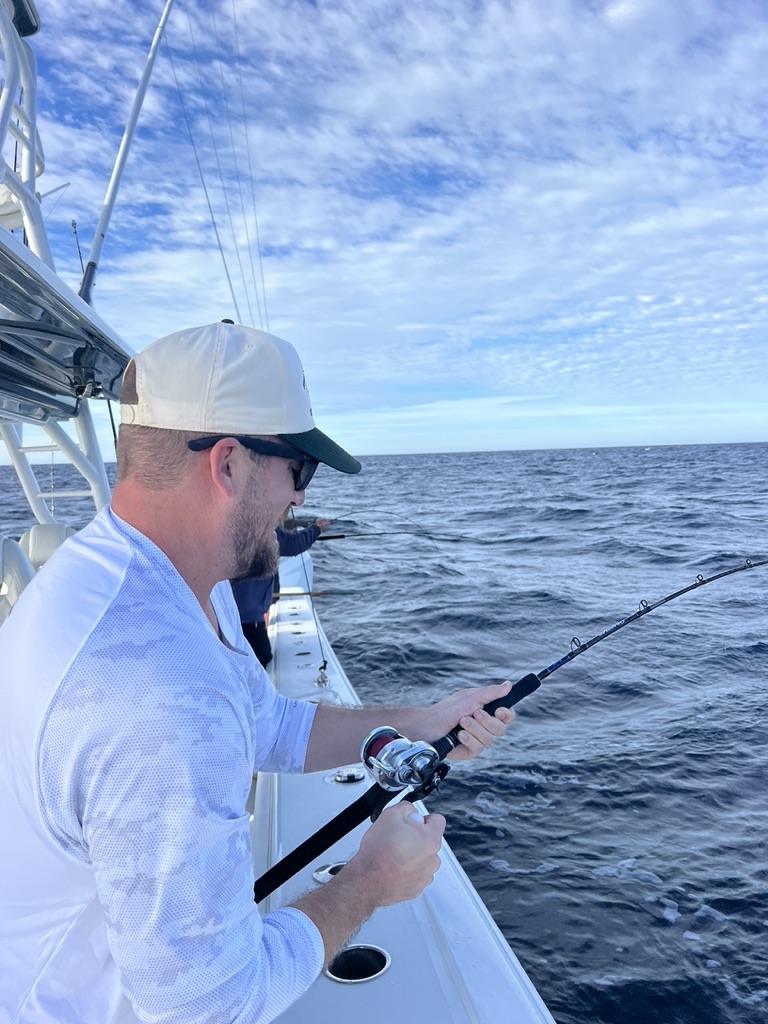
The bite often feels like the jig has simply stopped, or like the weight has changed. Do not swing. Keep winding until the rod loads. Then hold on, because the first run of a good amberjack over structure is an attempt to cut you off and it usually has about ten seconds to manage it.
Braided line, because stretch ruins you at depth. Monofilament stretches enough that at two hundred feet you cannot move a jig properly or set a hook. Braid to a fluorocarbon leader gives you the direct connection this technique needs.
Reels are chosen for retrieve speed and drag, and rods are chosen to match the jig weight and the style. A slow pitch rod is not a speed jigging rod and using one for the other works badly. Getting the jig weight right for the depth and current matters more than the colour of the jig. If you cannot keep the line vertical, go heavier.
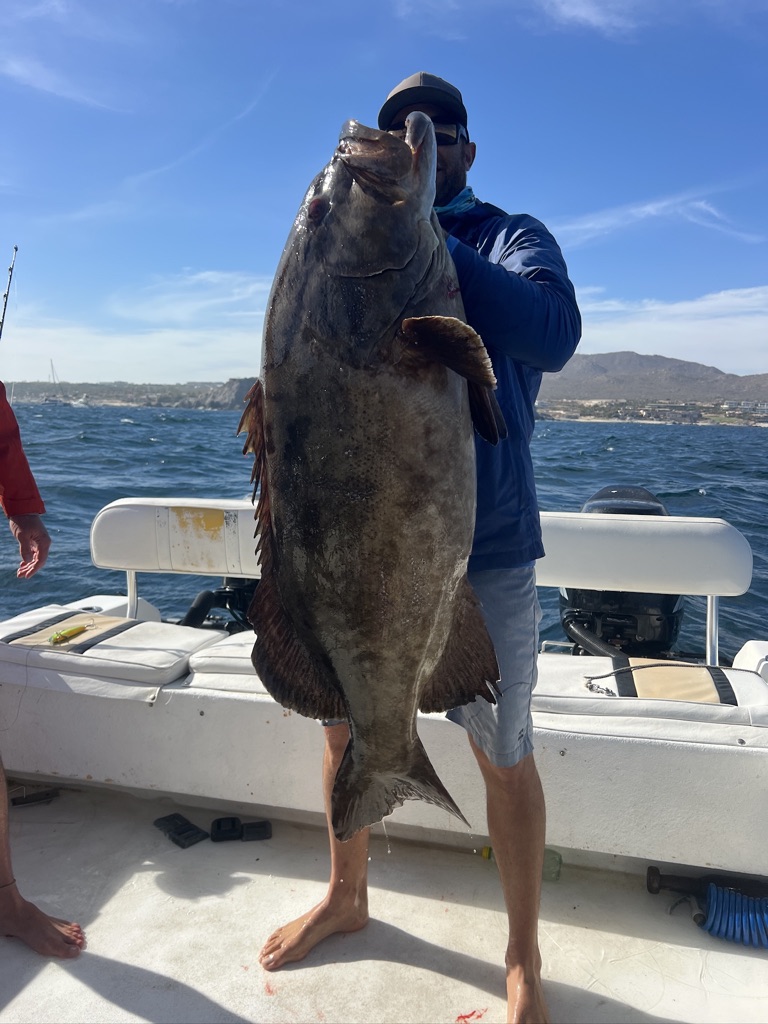
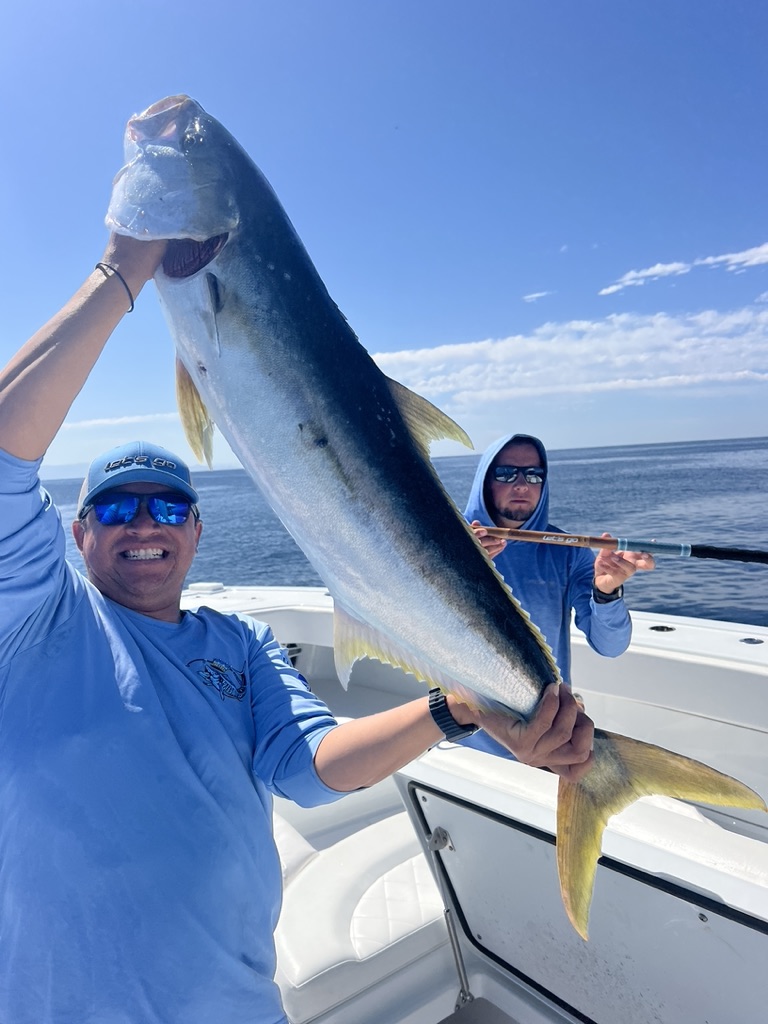
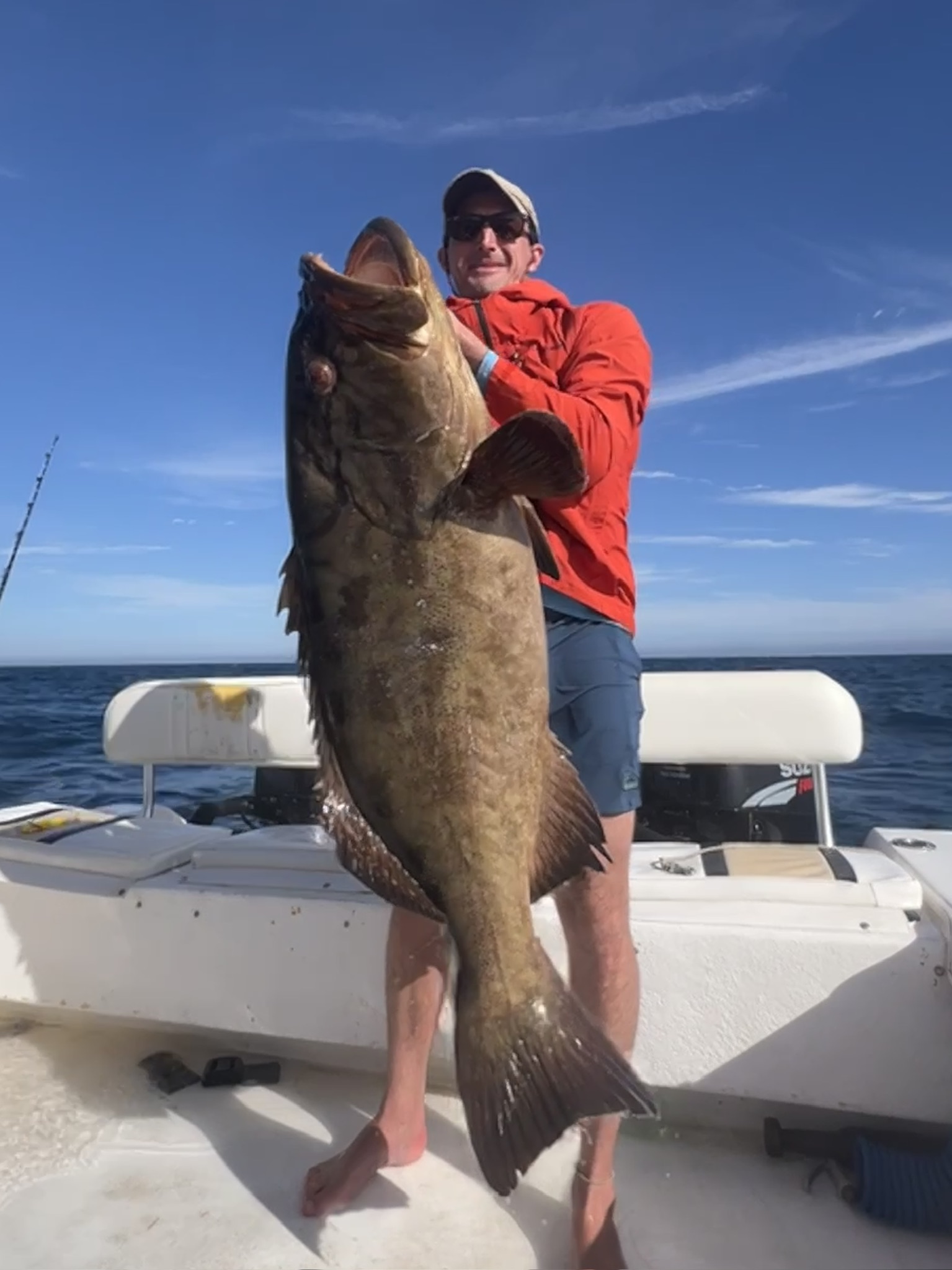
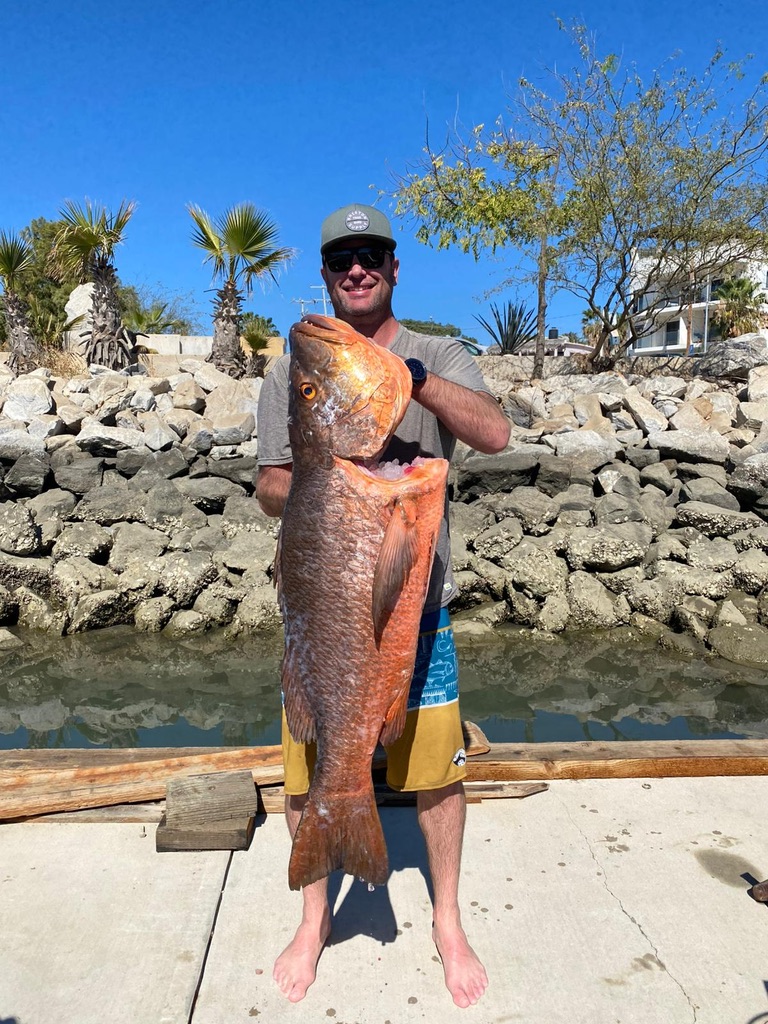
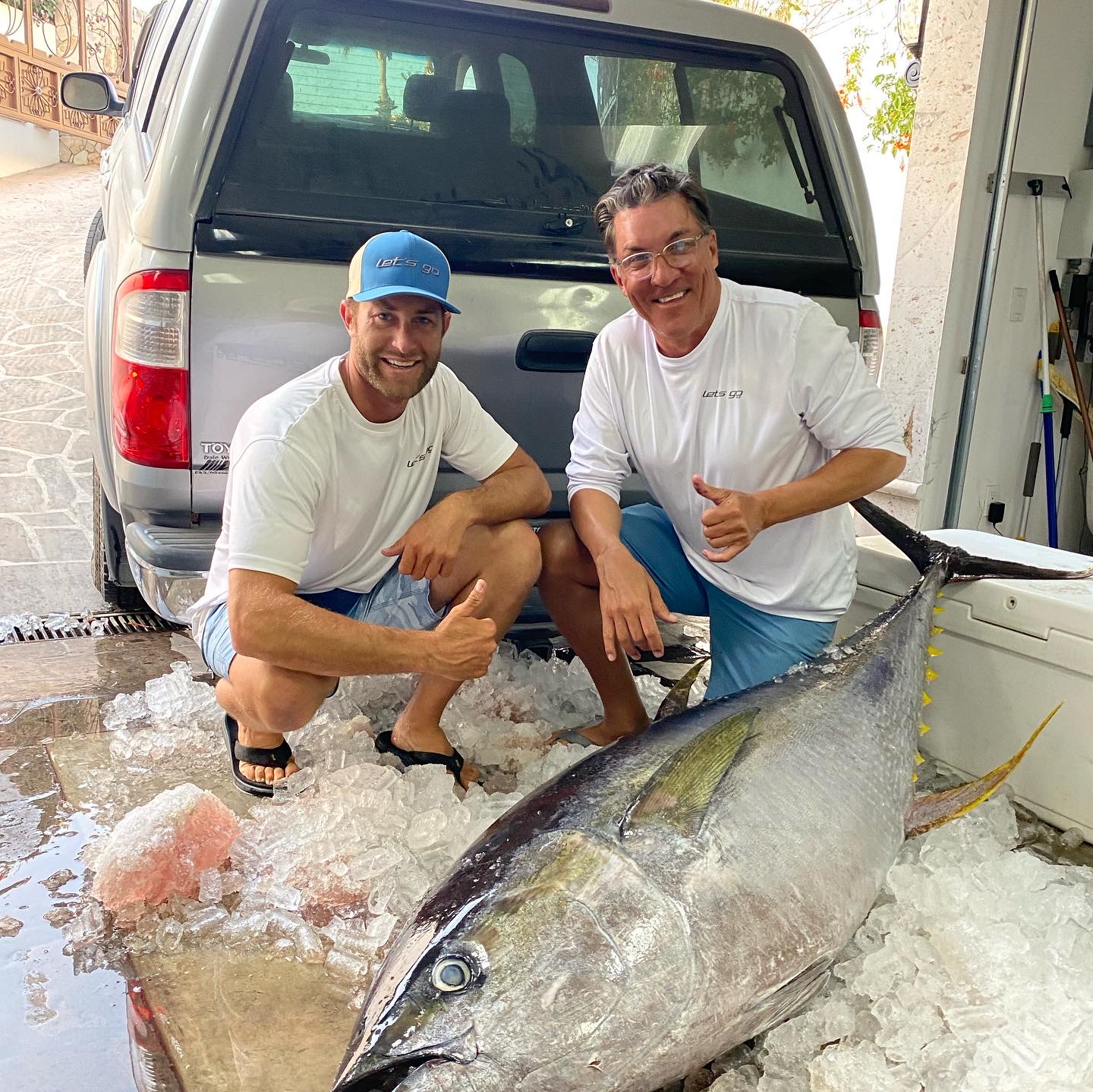
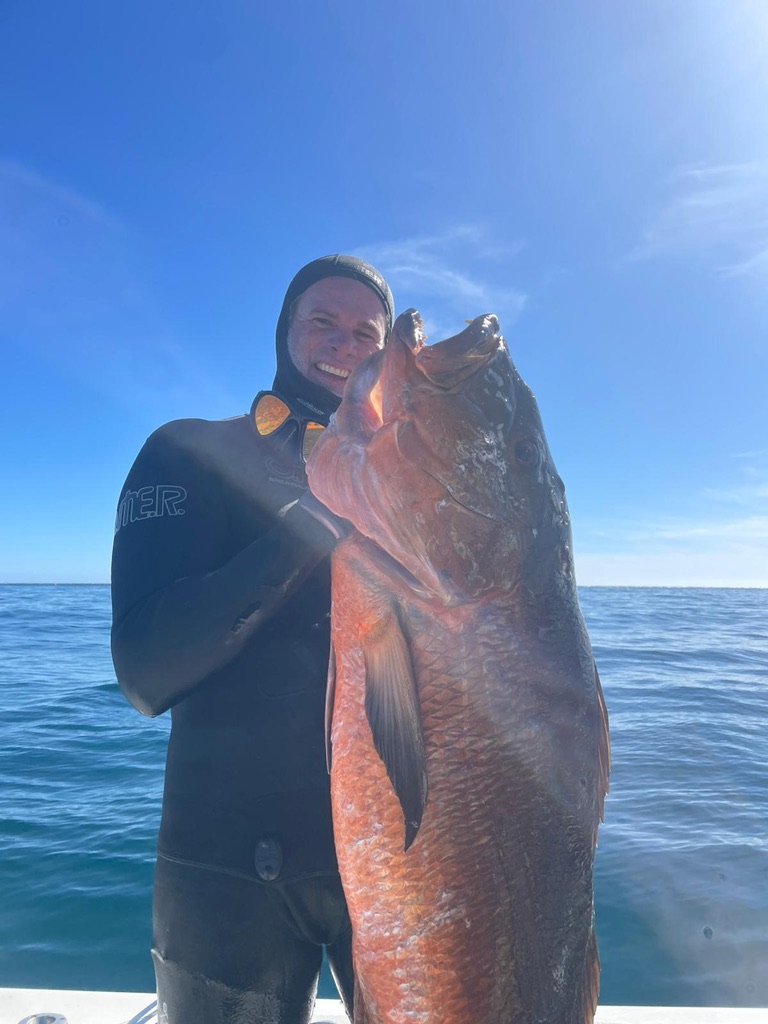
Jigging around Cabo brings up amberjack, snappers and groupers, cabrilla, pargo, yellowtail, bonito and jack crevalle, along with tuna when they are holding deep over structure. It is the technique that produces on days when the surface is dead and nothing wants a trolled lure.
Speed jigging is a workout. Ten minutes of it will tell you whether you want an hour of it. There is no shame in switching to slow pitch, or in handing the rod to someone else. Tell the crew if your back or shoulder is not up to it and they will set you up differently rather than watch you struggle through it.
Beginners are welcome and rod and reel rental is available if you are not bringing your own. The specific jigging tackle carried aboard, which trips include it, and the depths normally fished: to confirm.
The short version of how a trip with Indigo Adventures works. Licences, deposits, boats and what happens to your catch. The full FAQ has the rest.
Read the full FAQ→Indigo Adventures is based in El Pescadero, on the Pacific side of Baja California Sur, a few minutes south of Todos Santos. Boats launch from three points: Punta Lobos beach in Todos Santos, San Jose del Cabo, and the Cabo San Lucas Marina. Which boat runs your trip decides where you meet us.
Custom fishing and spearfishing charters, freediving excursions, whale watching from mid December to April, and kayaking. Every trip is built around your group, your dates and the conditions rather than a fixed timetable, and almost every one goes out private.
Book online on the Book Now page, where availability is live and a 50 percent deposit holds the date. If you would rather we picked the trip, send an enquiry with who is coming, when you are here and what you want out of the day, and we will say which trip fits and which one does not.
No. Everyone fishing in Mexican waters needs a Mexican sportfishing licence, and each angler buys their own. We help you arrange it before the day so nobody is sorting paperwork on the dock. The same licence covers rod and spear.
Rarely. Almost every trip goes out as a private boat for you and your group. If a split makes sense for a small party we will say so when you enquire.
Three on the 24 foot Punta Lobos panga, up to four on La Ruca and La Morita, and up to six on Don Pancho and El Wahoo King. Whale watching numbers run a little higher because nobody is swinging a rod.
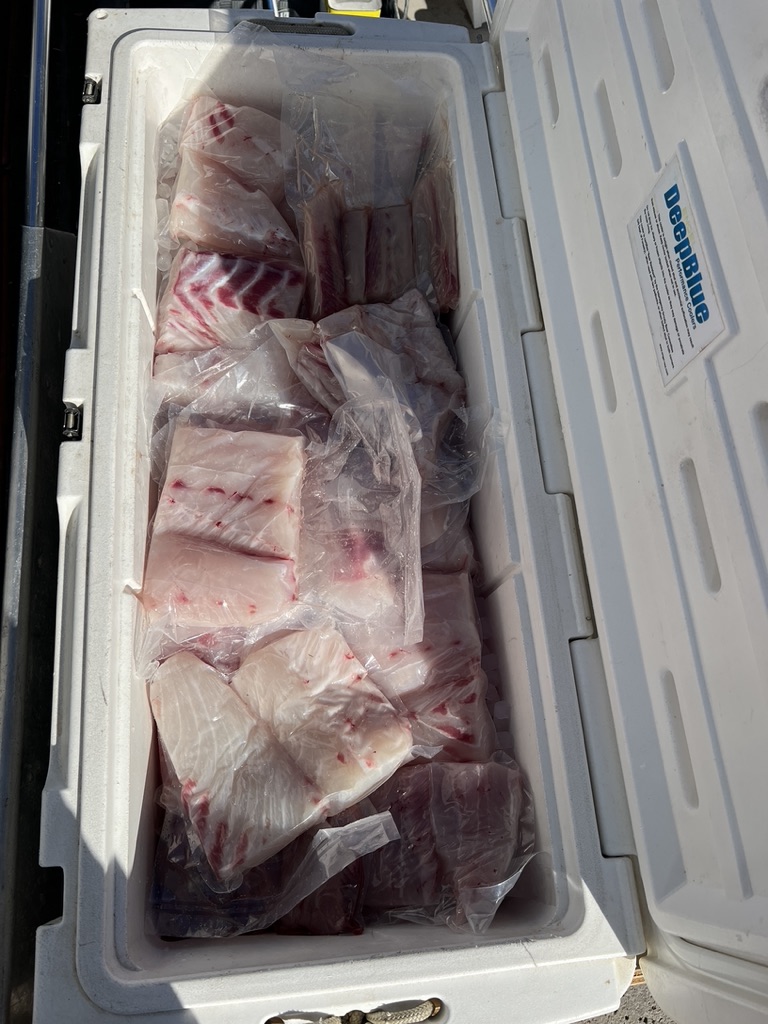
Yes. The catch goes home with you. Filleting at the dock, vacuum sealing and freezing are available, and most guests fly home with a cooler. Marlin are mostly released, with judgement on the day.
Yes, on fishing days. The crew rigs and handles the gear and hands you the rod when something eats. Guided spearfishing needs breath-hold experience and runs on a strict buddy system, which is the only legal way to spearfish in Mexico. Water, ice and snacks are normally aboard.