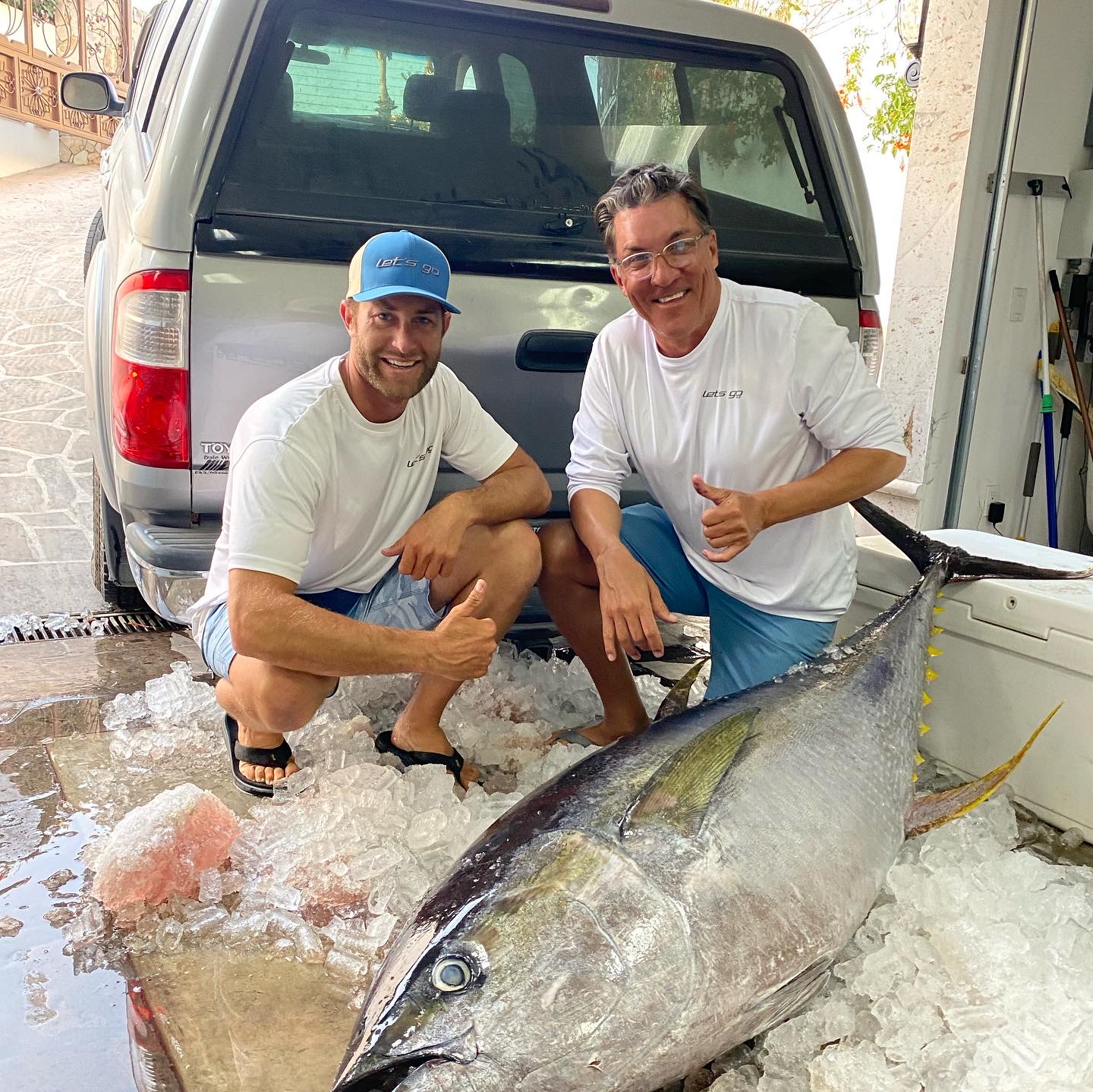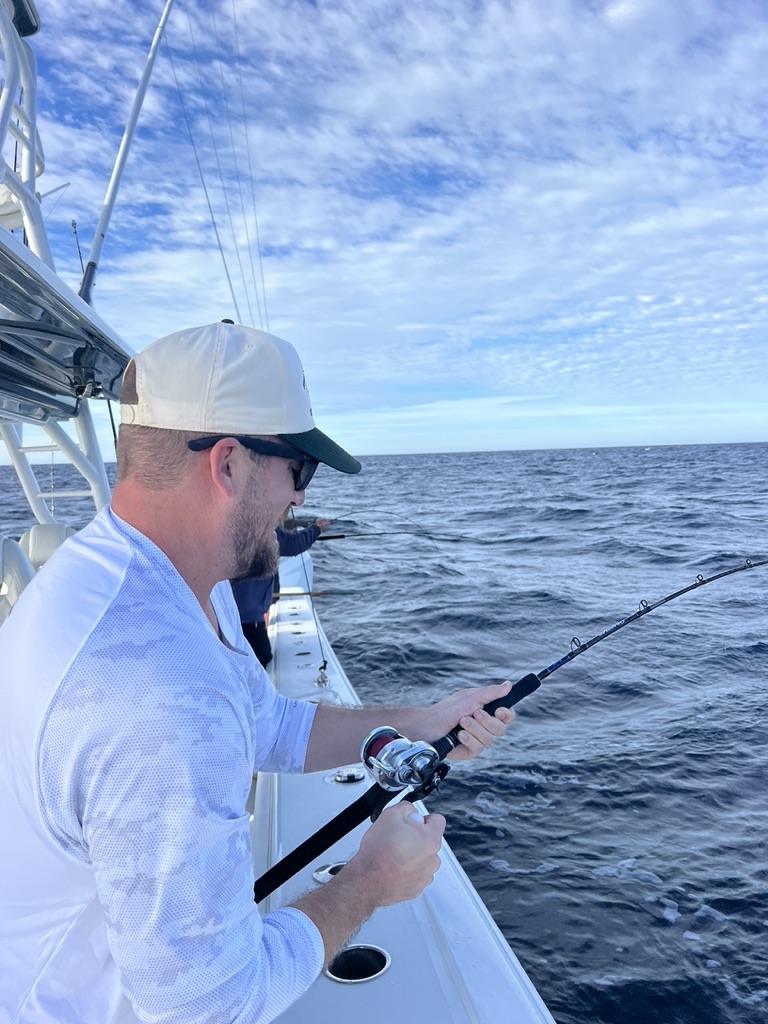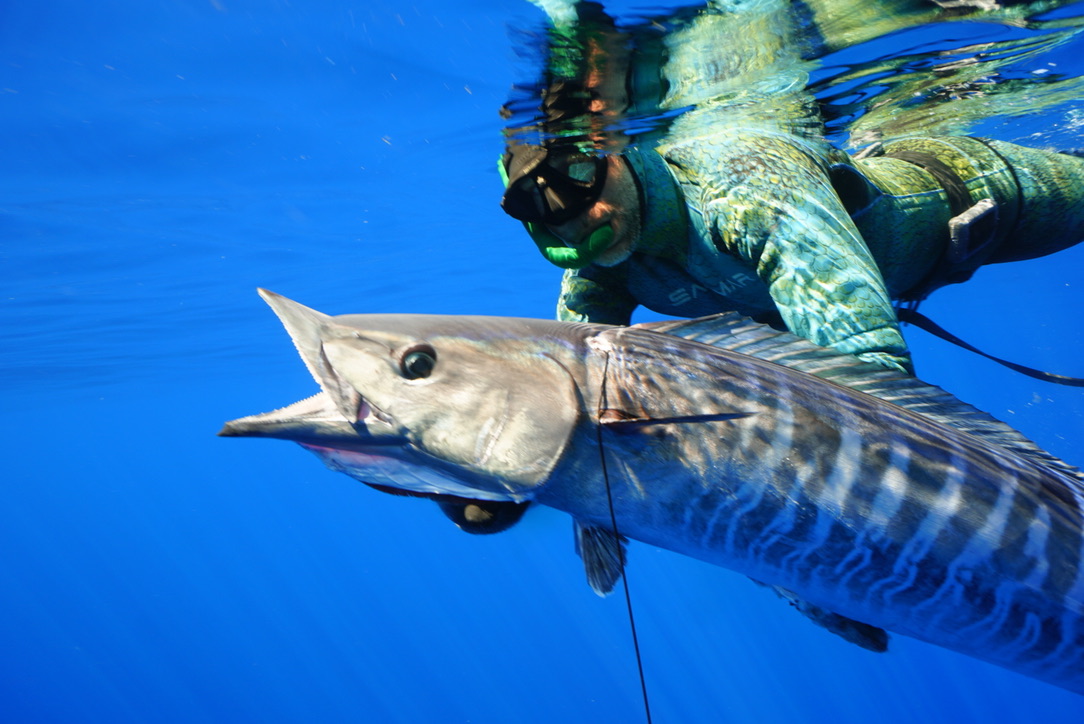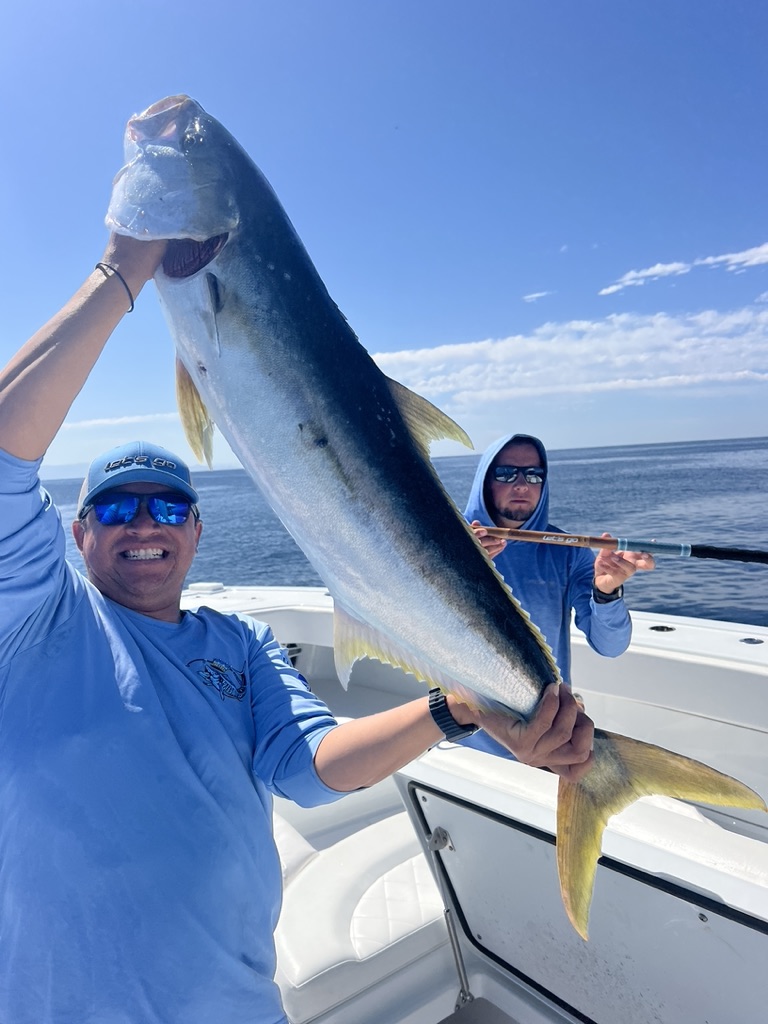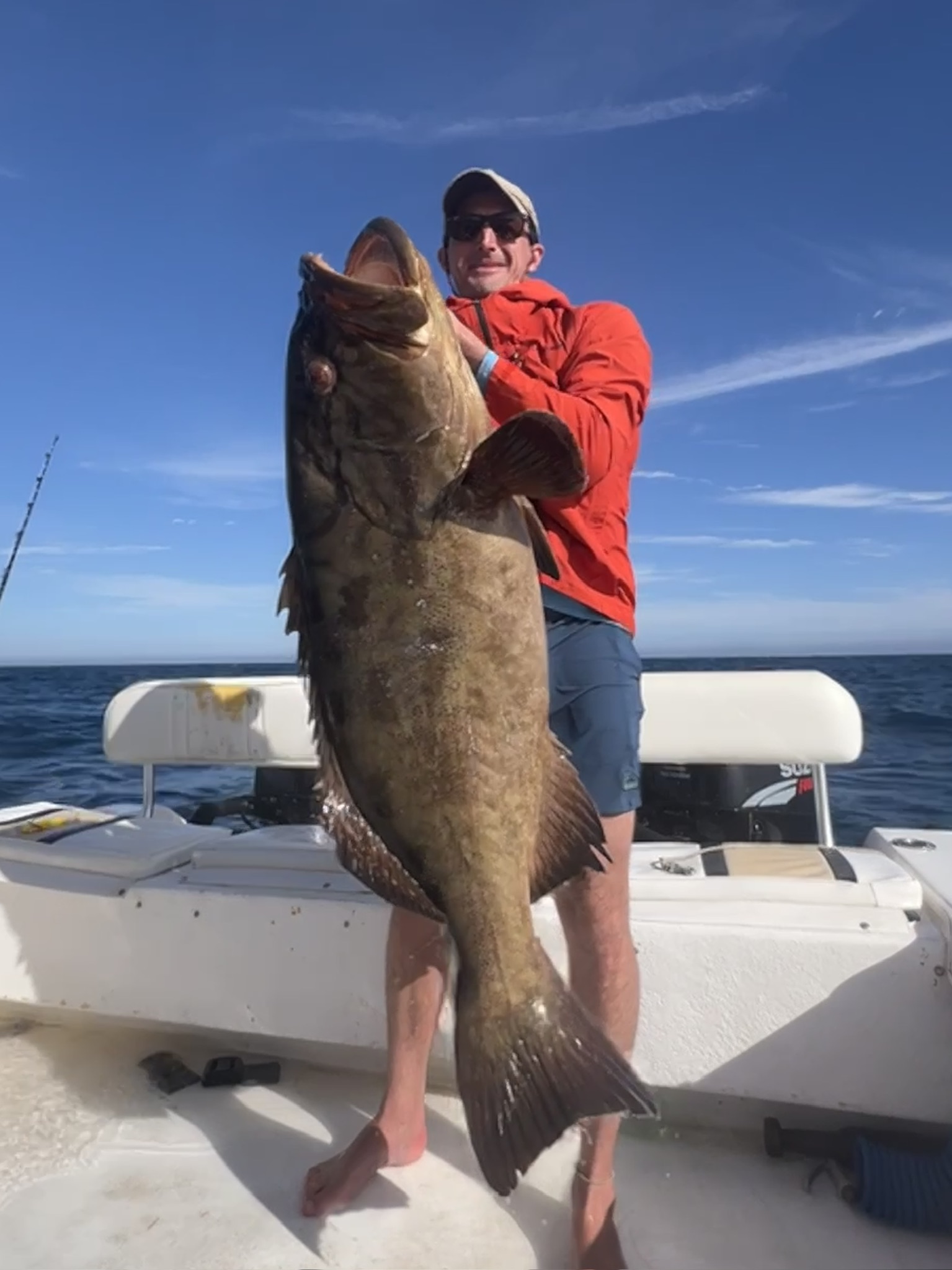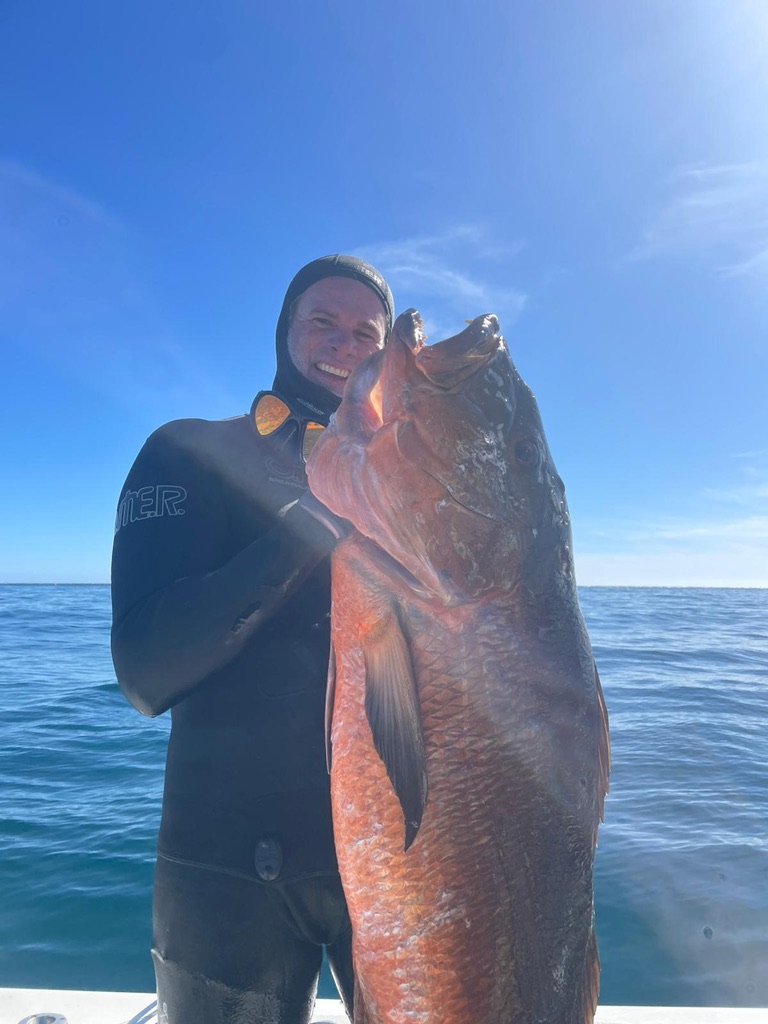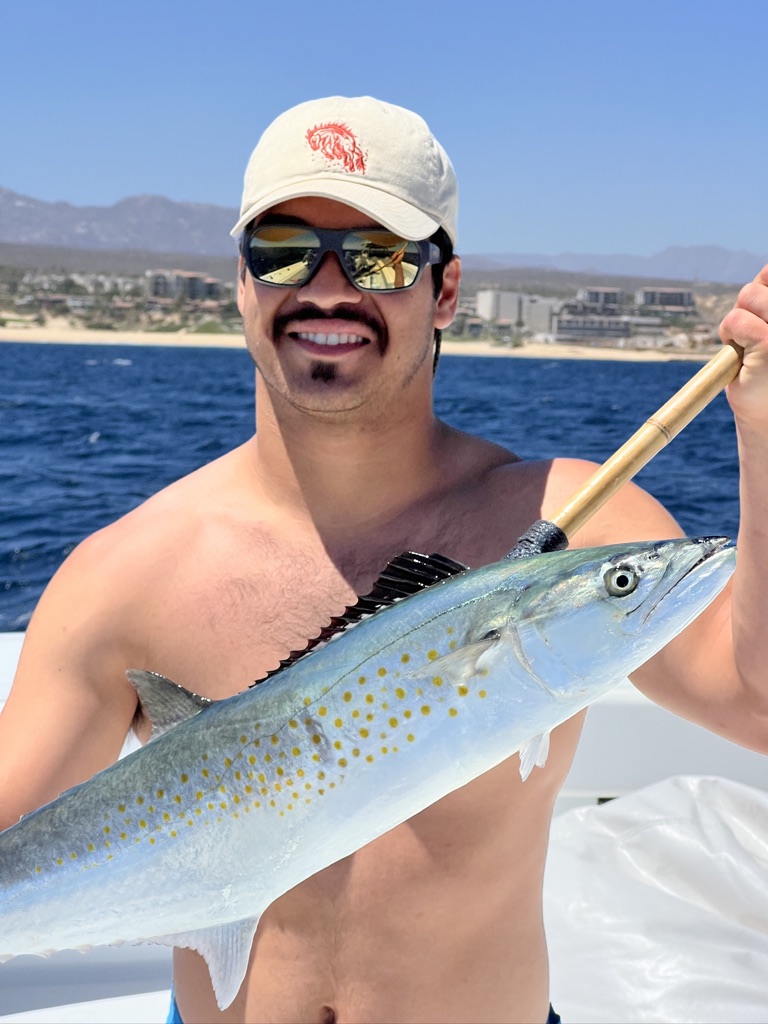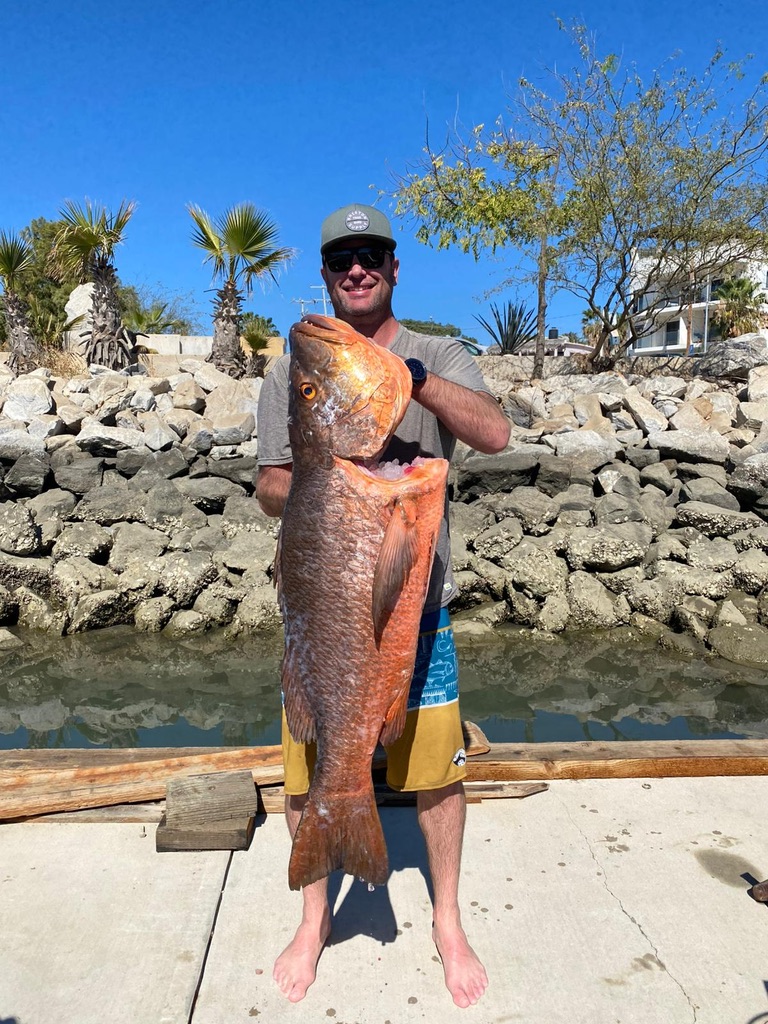
A fish you plan to eat starts going downhill the moment it comes over the rail unless someone does something about it. Bleeding, cooling and handling in the first hour decide how the fillets taste a week later. Getting fish onto an aeroplane is a separate problem, and the rules for that are not ours to promise you.
Three things matter and they all happen fast.
Kill the fish quickly. A fish thrashing in a box burns through its energy stores, floods the muscle with lactic acid and heat, and the flesh goes soft and sour. A spike to the brain or a firm blow to the head stops that immediately and is also the humane thing to do.
Bleed it. Cutting the gill arches or the artery at the base of the pectoral fin and letting the fish pump itself out for a few minutes removes the blood that otherwise carries strong flavour and speeds spoilage. This matters most on tuna, wahoo and dorado.
Cool it. Warm flesh degrades quickly and a fish lying on a hot deck in the Baja sun for twenty minutes is already worse than it needed to be. An ice slurry, meaning ice and seawater mixed together, cools far faster than dry ice cubes, because water carries heat away from the fish and trapped air does not.
Ice is normally aboard. Whether a slurry is made up as standard, what fish box and handling gear are carried, and what the crew does as routine: to confirm.
Fish are usually cleaned at a cleaning station near where the boats tie up. A basic job on a dorado or a tuna means taking the two side fillets off the frame, removing skin and the dark bloodline, and trimming. Tuna are often cut into loins instead, which travel better and portion cleanly.
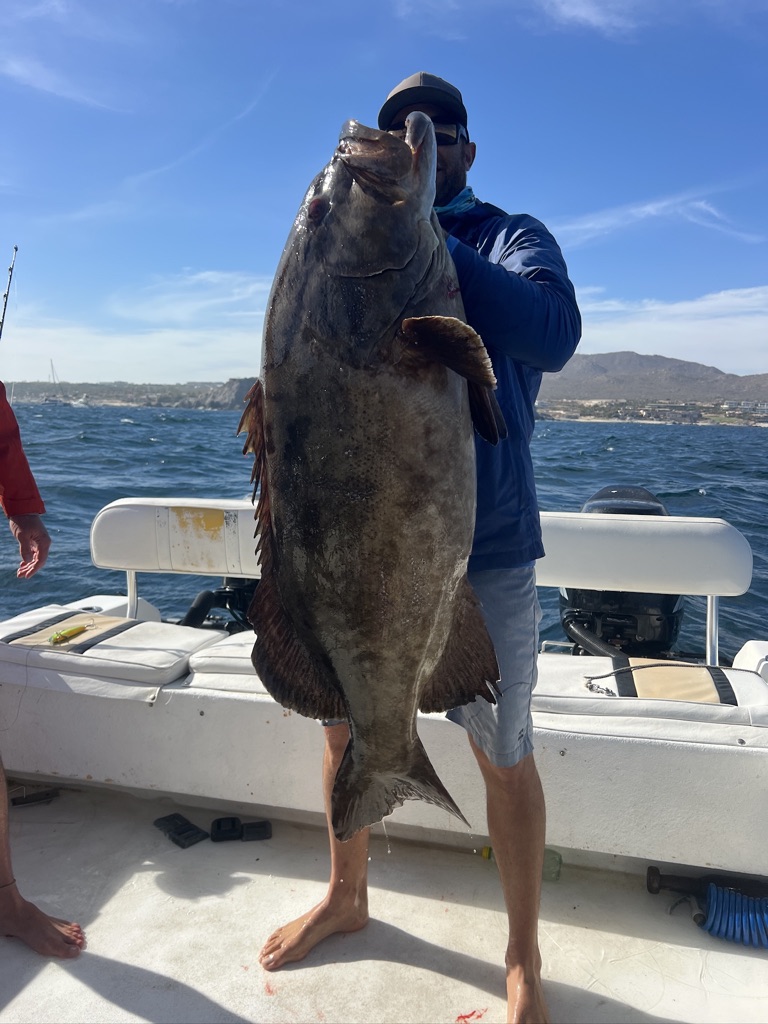
Say what you want before the knife starts. Loins, steaks, fillets, and whether you want the collars, which are among the best eating on the fish and normally get thrown in the bin.
The fish is yours. Guests take their catch home, and expert filleting is available through us, so you are not standing at a cleaning station with a borrowed knife trying to work out where the bloodline runs. Tell us what you want the fish cut into and it gets cut that way.
Whether the filleting is included in your trip, what it costs, and whether a gratuity is expected for it: to confirm.
Plenty of restaurants around the marina will cook your catch for you, usually for a fee per person. It is the simplest option available and it removes the entire shipping problem. Bring the fish in a bag on ice and talk to the restaurant before you turn up with it.
Which restaurants do this, what they currently charge, and whether any arrangement exists: to confirm.
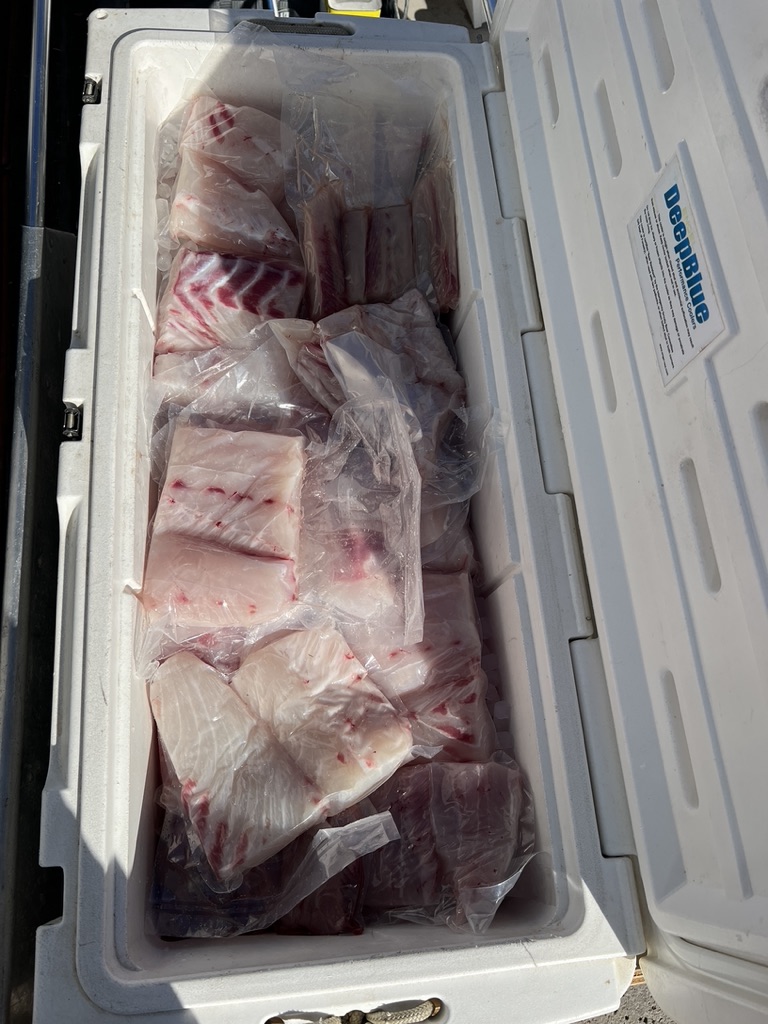
If fish is travelling anywhere, it needs to be portioned, vacuum sealed and frozen hard. Vacuum sealing stops freezer burn and stops packs leaking, which is the difference between a suitcase that arrives fine and one that does not. Smoking is a common option for marlin and wahoo and produces something that holds up better in transit, though it is still perishable food and should still be treated as such.
Fish needs to be frozen solid before it travels, and that takes time, usually overnight rather than an hour. Plan the fish around your flight rather than the other way around.
Vacuum sealing and freezing are available through us, so the packing and the hard freeze do not have to be your problem to solve in a strange town.
Turnaround time, what it costs, whether any of it is included, and how you collect the fish: to confirm.
Read this section carefully, because getting it wrong at the airport means losing the fish.
In general terms, people fly fish home from Cabo in a hard cooler or an insulated box checked as baggage, frozen solid, vacuum sealed, and packed with dry ice or frozen gel packs. Airlines treat that box as checked luggage and it counts against your allowance. Dry ice is a regulated item with quantity limits and labelling requirements. Bringing fish into another country is a customs and agriculture matter, and the rules differ by country, by state and by species.
We are not going to tell you what those rules are, because they change and because a confident wrong answer costs you your catch at the counter. Every one of the following is something you need to confirm yourself, in advance, from the actual source:
Call the airline. Check the destination country's customs and agriculture agency yourself. Do it before your last day, not while standing at check in with a melting cooler.
Most people take home less fish than they imagined and enjoy more of it than they expected. A cooler of vacuum sealed loins is a genuinely good thing to come home with. A whole marlin is not going anywhere, and marlin is generally released rather than kept in any case.
If the logistics look awkward on your trip, eat well in Cabo, give the rest away, and take the photographs home instead. Nobody has ever regretted that.
The short version of how a trip with Indigo Adventures works. Licences, deposits, boats and what happens to your catch. The full FAQ has the rest.
Read the full FAQ→Indigo Adventures is based in El Pescadero, on the Pacific side of Baja California Sur, a few minutes south of Todos Santos. Boats launch from three points: Punta Lobos beach in Todos Santos, San Jose del Cabo, and the Cabo San Lucas Marina. Which boat runs your trip decides where you meet us.
Custom fishing and spearfishing charters, freediving excursions, whale watching from mid December to April, and kayaking. Every trip is built around your group, your dates and the conditions rather than a fixed timetable, and almost every one goes out private.
Book online on the Book Now page, where availability is live and a 50 percent deposit holds the date. If you would rather we picked the trip, send an enquiry with who is coming, when you are here and what you want out of the day, and we will say which trip fits and which one does not.
No. Everyone fishing in Mexican waters needs a Mexican sportfishing licence, and each angler buys their own. We help you arrange it before the day so nobody is sorting paperwork on the dock. The same licence covers rod and spear.
Rarely. Almost every trip goes out as a private boat for you and your group. If a split makes sense for a small party we will say so when you enquire.
Three on the 24 foot Punta Lobos panga, up to four on La Ruca and La Morita, and up to six on Don Pancho and El Wahoo King. Whale watching numbers run a little higher because nobody is swinging a rod.
Yes. The catch goes home with you. Filleting at the dock, vacuum sealing and freezing are available, and most guests fly home with a cooler. Marlin are mostly released, with judgement on the day.
Yes, on fishing days. The crew rigs and handles the gear and hands you the rod when something eats. Guided spearfishing needs breath-hold experience and runs on a strict buddy system, which is the only legal way to spearfish in Mexico. Water, ice and snacks are normally aboard.